The Ultimate Guide to the FVRCP Vaccine for Cats: Schedule, Cost & Side Effects
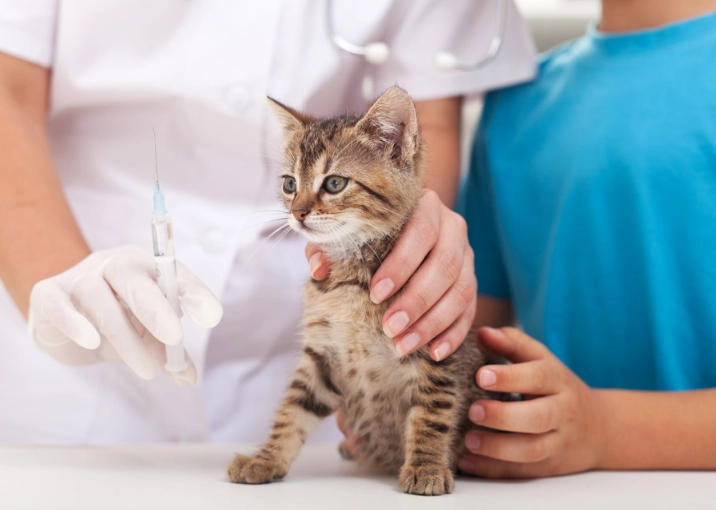
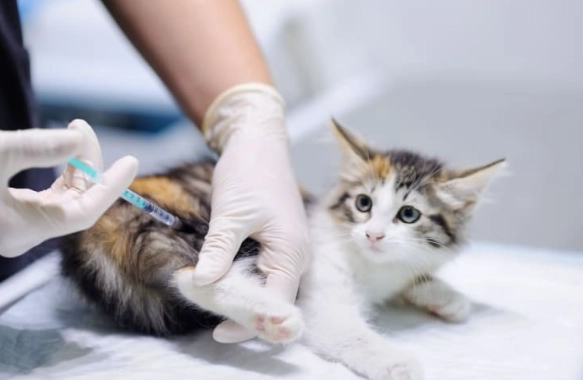
Let's be honest, taking your cat to the vet for shots isn't exactly anyone's idea of a fun afternoon. There's the carrier struggle (a battle of wills I've lost more times than I'd like to admit), the car ride complaints, and that look of utter betrayal they give you afterward. But here's the thing I had to learn the hard way: skipping vaccines is a gamble with stakes that are way too high. After a scare with a foster kitten who caught a nasty upper respiratory infection, I dove headfirst into understanding the FVRCP vaccine for cats, and let me tell you, the peace of mind it brings is worth every bit of the temporary feline grumpiness. So, what exactly is in this shot that vets push as essential? Why is it often called the "feline distemper" vaccine when it covers more than that? And is the standard schedule set in stone, or can it be tailored? If you're holding a wiggly kitten or looking at your adult cat wondering what they really need, you're in the right place. We're going to strip away the jargon and talk plainly about what the FVRCP vaccine does, when to get it, what it might cost, and how to handle the what-ifs. FVRCP isn't a random string of letters. It's an acronym for the three main, highly contagious diseases it protects against. Think of it as a triple-threat shield. This is caused by feline herpesvirus type 1 (FHV-1). It's the big culprit behind severe upper respiratory infections. We're not talking about a little sniffle. I've seen cats with this—it's full-on congestion, painful ulcers in the eyes, sneezing fits, fever, and lethargy. The sneaky part? Like human herpes viruses, once a cat is infected, the virus never truly leaves. It retreats into the nervous system and can reactivate during times of stress, causing flare-ups throughout the cat's life. The FVRCP vaccine for cats doesn't always prevent initial infection, but it dramatically reduces the severity of the disease and the frequency of these stressful, painful reactivations. Feline calicivirus is another major player in respiratory disease, but it has a wider range of tricks. It can cause the standard runny eyes and nose, but also painful ulcers on the tongue, gums, and palate, making eating and drinking agony. Some strains can even lead to limping syndrome (a temporary, painful lameness) or a severe, systemic form that damages internal organs and has a high fatality rate. Vaccination is our best defense against this unpredictable virus. This is the heavyweight. Feline panleukopenia virus is closely related to the parvovirus that affects dogs. It's frighteningly resilient in the environment and attacks rapidly dividing cells, especially in the intestines and bone marrow. Symptoms include severe, bloody diarrhea, vomiting, dehydration, and a catastrophic drop in white blood cells (which is what "panleukopenia" means), leaving the cat defenseless against other infections. For unvaccinated kittens, the mortality rate is heartbreakingly high. This is the component that truly earns the FVRCP vaccine its "core" status. The protection it offers is robust and long-lasting, which is a huge relief. Here’s a quick breakdown of what each component fights: This is where many owners get confused. The schedule isn't one-size-fits-all, but there's a standard protocol that vets follow, based on guidelines from authorities like the American Animal Hospital Association (AAHA) and the American Veterinary Medical Association (AVMA). Kittens get a series because the protection they get from their mother's milk (maternal antibodies) can interfere with the vaccine. We need to give multiple doses to ensure one "sticks" after those maternal antibodies fade. So a typical kitten might get their FVRCP shots at 8 weeks, 12 weeks, and 16 weeks. That's three doses total for the initial series. After the kitten series, things get simpler: Let's talk about the practical stuff. Knowing what's normal (and what's not) can make the whole process less stressful. Most cats handle the FVRCP vaccine just fine. But it's an immune system workout, so some mild reactions are normal for a day or two: These are uncommon, but you should know the signs. Contact your vet immediately if you notice: The risk of these serious reactions is statistically very low, especially when weighed against the high risk of the diseases the vaccine prevents. It's a classic risk-benefit analysis, and for most cats, the benefit wins by a landslide. There's no flat rate. The cost of the FVRCP vaccine for cats depends on your location, the clinic (private practice vs. low-cost clinic), and whether it's given as part of a bundled "wellness visit." You're not just paying for the liquid in the syringe; you're paying for the vet's expertise in examining your cat, determining they're healthy enough for the vaccine, and administering it correctly. Some people balk at the price, but I think of it as cheap insurance. Treating panleukopenia can easily run into the thousands of dollars with intensive hospitalization, and there's still no guarantee. The vaccine is a fraction of that cost. Look, I get it. The world of pet care can feel overwhelming with conflicting information online. But when it comes to the FVRCP vaccine for cats, the consensus among veterinary professionals is about as clear as it gets. This isn't an upsell; it's a fundamental pillar of keeping your cat healthy. The diseases it prevents—especially panleukopenia—are brutal. I've talked to vets who have had to euthanize entire litters of kittens because of an outbreak. It's devastating and largely preventable. The upper respiratory viruses might sound like "just a cold," but they can cause chronic, painful problems that diminish a cat's quality of life for years. Your best move is to partner with a veterinarian you trust. Have an open conversation at your next visit. Talk about your cat's lifestyle, your concerns about over-vaccination or side effects, and work together to create a plan that feels right. That plan will almost certainly include the FVRCP vaccine, on a schedule tailored for your feline friend's specific life stage and risks. At the end of the day, we vaccinate not out of fear, but out of love. It's one of the easiest, most proven ways to give our cats a long, healthy, and comfortable life by our sides. And that's a goal worth a few grumpy car rides.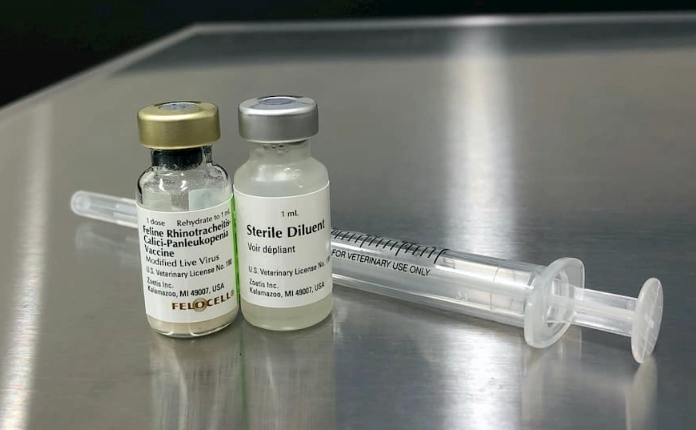
In This Guide
Decoding FVRCP: What's in the Name and Why It Matters
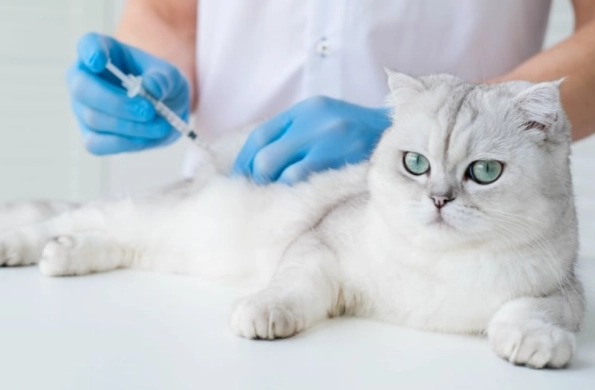
FVR: Feline Viral Rhinotracheitis (The "Herpes" Part)
C: Calicivirus (More Than a Cold)
P: Panleukopenia (The "Distemper" Part)
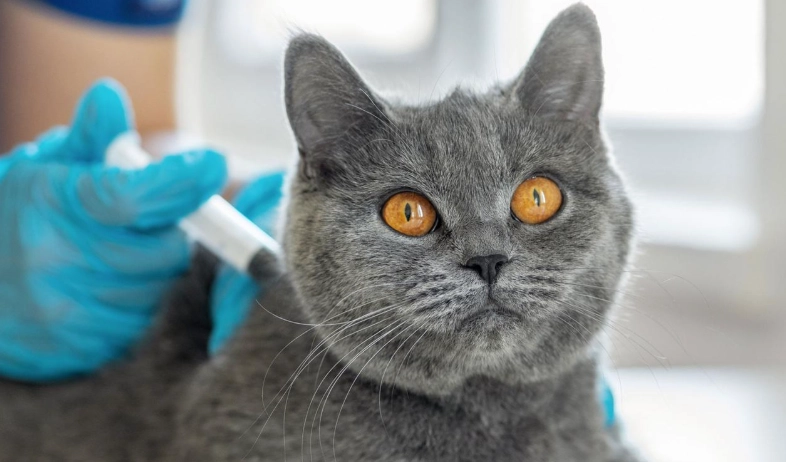
Vaccine Component
Targets This Disease
Why It's Serious
FVR
Feline Viral Rhinotracheitis (Herpesvirus)
Causes severe, recurrent respiratory infections and eye ulcers. Virus stays for life.
C
Calicivirus
Leads to respiratory illness, painful mouth ulcers, and can cause lameness or fatal systemic disease.
P
Panleukopenia (Feline Distemper)
Highly fatal, especially in kittens. Causes violent GI distress and destroys the immune system's cells.
The Vaccination Timeline: From Kittenhood to Golden Years
The Kitten Series (The Foundation)
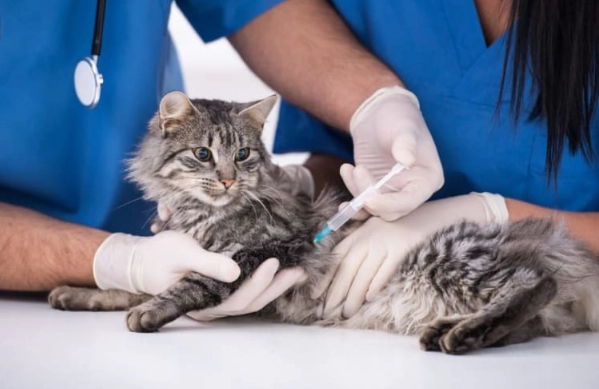
Adult Cat Schedule (Maintenance Mode)
What to Expect: Side Effects, Costs, and the Vet Visit
Common, Mild Side Effects
Rare but Serious Reactions
Breaking Down the Cost
Answering Your Burning Questions (The FAQ Section)
Wrapping It Up: Making the Best Choice for Your Cat