Is Rice Good for Dogs? A Vet-Approved Guide to Feeding & Safety
So you're standing in your kitchen, looking at your dog's pleading eyes, and then at the pot of leftover rice. The question pops into your head: is rice good for dogs? It feels like it should be fine, right? People have been feeding dogs scraps forever. But then you remember hearing something about grains being bad, or dogs not digesting carbs well. The internet, of course, is a mess of conflicting advice. One site says it's a perfect bland diet, another calls it a pointless filler. Who do you trust? I've been there. With my own dog, a Labrador with a stomach of cast iron (most of the time), I've used rice more than once. But I've also learned the hard way that just because you can do something, doesn't mean you always should. The real answer to "is rice good for dogs" isn't a simple yes or no. It's a solid "it depends," and knowing what it depends on is what separates a helpful treat from a potential problem. Let's cut through the noise. This isn't about pushing a grain-free agenda or defending old-school practices. It's about looking at what veterinary nutritionists actually say, understanding the science (or lack thereof) behind the hype, and giving you a practical, no-nonsense guide you can use tonight. We'll talk about when rice is a hero, when it's a zero, and exactly how to prepare it if you decide to go for it. The Quick Answer: Plain, cooked white rice is generally safe for most dogs in moderation and can be a useful part of a bland diet for temporary digestive upset. Brown rice offers more fiber and nutrients for long-term, healthy dogs. However, rice should not be a staple protein source and can contribute to weight gain or blood sugar issues if overfed. Always consult your vet for dog-specific advice. Before we get into the good and bad, let's just see what we're working with. Rice is primarily a carbohydrate. That's its main job—providing energy. But it's not just empty calories. The type of rice changes the game completely. See the difference? Asking "is rice good for dogs" is like asking "is a vehicle good for travel?" Well, is it a bicycle, a sedan, or a semi-truck? The context matters. White rice is your quick, easy-to-digest sedan for a specific trip (an upset tummy). Brown rice is the more rugged SUV with better features for occasional off-roading (a supplement for a healthy dog). I made the mistake of switching my dog to a brown rice-based kibble too quickly once. Let's just say the results were... aromatic. The extra fiber was too much, too fast. We had to scale back and mix it in slowly. Lesson learned: even "good" things need a gradual introduction. Okay, so let's talk about the good stuff. Why do vets often recommend rice? It's not because they're in cahoots with big rice. There are legitimate, science-backed reasons. This is the number one, undisputed champion use for rice in dog care. When your dog has a case of the runs or is recovering from vomiting, their gut is inflamed and angry. You need to give it a break. That's where the classic "chicken and rice" diet comes in. Plain, boiled white rice is incredibly easy to digest. It provides simple, binding carbohydrates that can help firm up stool. It's low in fat, which is easy on the pancreas. It's like serving your dog's stomach a bowl of comforting, digestible mush. The American Veterinary Medical Association (AVMA) doesn't have a specific page on rice, but their resources on pet care consistently emphasize the importance of easily digestible foods during gastrointestinal illness. The logic behind a bland diet aligns with standard veterinary supportive care principles. Think of it as first aid for the gut. Dogs are not obligate carnivores like cats. They are omnivores with a digestive system that can handle and utilize carbohydrates for energy. For working dogs, sporting breeds, or just that hyperactive Border Collie in your backyard, carbohydrates from sources like rice provide a quick and readily available fuel source. Brown rice, with its complex carbs, offers a slower, more sustained energy release. This is where brown rice earns its keep. The fiber in brown rice can help add bulk to stool and promote regular bowel movements in dogs prone to constipation. It can also act as a prebiotic, feeding the good bacteria in the colon. But—and this is a big but—too much fiber too fast is a recipe for bloating and gas. Moderation is the golden rule. Pro Tip: If you're using rice to help with diarrhea (white rice) or constipation (brown rice), remember it's a temporary tool, not a cure. If digestive issues last more than 24-48 hours, or are accompanied by lethargy or blood, stop Googling and call your vet. Now, let's talk about why some people get really heated about not feeding rice to dogs. These concerns aren't all myths, and ignoring them is how people get into trouble. Rice is calorie-dense. A cup of cooked white rice has about 200 calories. If you're dumping a scoop of rice on top of your dog's already complete-and-balanced kibble, you're adding a significant number of empty calories. Over time, this leads to weight gain. For diabetic dogs or breeds prone to diabetes, the simple carbohydrates in white rice can cause rapid spikes in blood sugar, which is dangerous. The U.S. Food and Drug Administration (FDA) has issued communications about the importance of managing diet in pets with metabolic conditions like diabetes, highlighting the need for consistent, appropriate carbohydrate sources. This is the most critical point. Rice is not nutritionally complete for dogs. It lacks sufficient high-quality protein, essential fatty acids, and many key vitamins and minerals like calcium and certain vitamins. If you replaced a significant portion of your dog's diet with rice, you'd be setting them up for serious deficiencies. A dog's primary food must be a complete diet, whether it's a high-quality commercial food or a properly formulated homemade diet designed by a veterinary nutritionist. Rice is a side dish, not the main course. Never forget that. True food allergies in dogs are less common than people think, and grains like rice are not common allergens. The most common culprits are actually proteins like beef, dairy, and chicken. However, some individual dogs can have sensitivities or intolerances to grains. If your dog seems itchy, has chronic ear infections, or has persistent soft stool after eating foods containing rice, it's worth discussing an elimination diet with your vet to identify the trigger. Major Red Flag – Arsenic: This sounds scary because it is. Rice plants can absorb arsenic from soil and water more readily than other crops. The FDA monitors levels in food, and for humans, the advice is to vary your grains. For dogs, the risk from occasional feeding is very low, but it's a compelling reason not to make rice a daily, high-volume staple in your dog's diet for years on end. Variety and moderation mitigate this risk. Let's get practical. You've decided that, in your dog's specific situation, the answer to "is rice good for dogs" is a cautious yes. How do you do it right? This is where most people mess up. Rice should only ever be a small addition to a balanced diet. If using rice for a bland diet after illness, you can't just jump back to kibble. You need to transition back over 2-3 days by slowly mixing in more of their regular food and less of the chicken/rice mixture. It's a tie, but for different events. Choose White Rice when you need a highly digestible, gut-soothing food. Its simple structure is a feature, not a bug, in this context. Perfect for the sick day protocol. Choose Brown Rice when you want to add a nutrient-dense, fibrous carbohydrate to the diet of a healthy, active dog with no digestive issues. It's the better long-term option if you're using rice as an occasional supplement. My personal take? I keep a bag of cheap white rice in the pantry exclusively for potential stomach issues. For everyday health, I focus on my dog's high-quality kibble and use other veggies (like pumpkin or green beans) for fiber and variety, not rice. I find them less fuss and lower risk. So, after all this, where do we land on the big question? Is rice good for dogs? It's a tool. A specific, useful, but limited tool. It's not a superfood, and it's not poison. Keep a bag of white rice in your pantry as part of your dog first-aid kit, ready for those occasional digestive emergencies. Feel free to occasionally sprinkle a small spoonful of brown rice on your healthy dog's food for variety, as long as you account for the calories. But don't fall into the trap of thinking it's a necessary or profoundly beneficial daily supplement. It isn't. The core of your dog's health will always be a complete and balanced primary diet, regular exercise, and veterinary care. The bottom line from my experience? Rice has its place. It's saved me a few midnight cleanup sessions. But I respect its limits. My dog's main nutrition comes from his quality kibble, and that's the way it should be. Rice is just a guest star in his bowl, not a permanent cast member. Trust your vet more than any blog (even this one). When in doubt, pick up the phone. That's the safest way to ensure the answer to "is rice good for dogs" is the right one for your best friend.In This Guide

The Straight Facts: What's Actually in Rice?

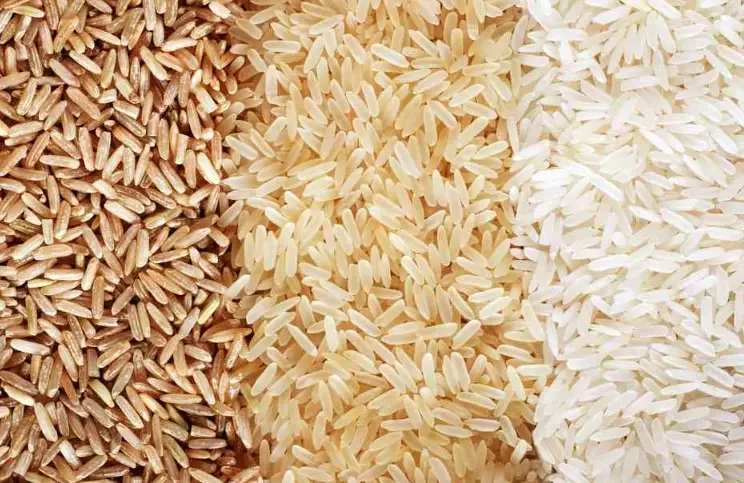
Type of Rice
Key Components
Digestibility for Dogs
Best For...
White Rice
Simple carbohydrates, low fiber, some B vitamins, easily broken down starch.
Very High. The bran and germ are removed, making it gentle on the gut.
Temporary bland diets for diarrhea or vomiting. Dogs with sensitive stomachs.
Brown Rice
Complex carbohydrates, higher fiber, more minerals (magnesium, phosphorus), B vitamins, antioxidants.
Moderate. The extra fiber is good but can be harder for some dogs to process.
Healthy dogs as an occasional addition to a balanced diet. Provides sustained energy.
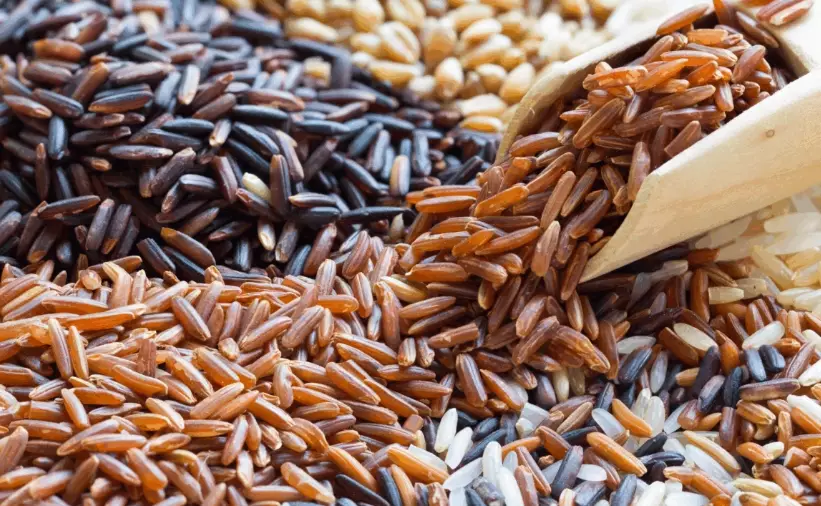
Wild Rice (technically a grass)
High protein, high fiber, antioxidants, minerals.
Lower. Very high fiber can cause gas or upset in dogs not used to it.
Rare, special addition in tiny amounts for variety. Not a staple.
When Rice Shines: The Clear Benefits for Canines

The Bland Diet Superstar
A Source of Energy (Especially for Active Dogs)
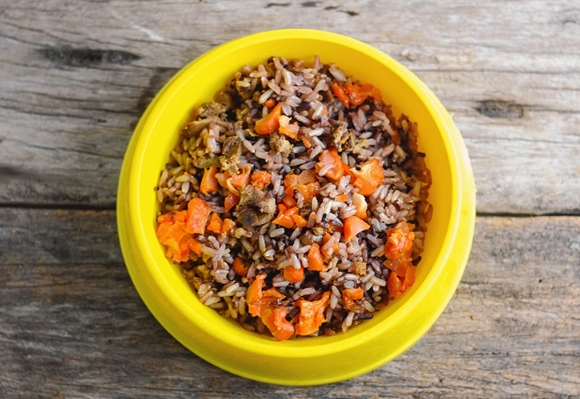
Dietary Fiber for Digestive Regularity
The Other Side of the Bowl: Risks and When to Avoid Rice
Weight Gain and Blood Sugar Spikes
Nutritional Imbalance as a Long-Term Food
Potential for Allergies and Sensitivities
How to Feed Rice to Your Dog: A Step-by-Step Safety Manual
Preparation is Everything: The Only Way to Cook It
Figuring Out the Portion: The Golden Rule
The Transition On and Off
White Rice vs. Brown Rice: Which One Wins for Dogs?
Your Top Questions About Dogs and Rice, Answered
The Final Scoop: A Balanced Verdict