Can Dogs Eat Honeydew Safely? A Vet-Approved Feeding Guide
You're slicing a honeydew melon on a hot day. The sweet, juicy aroma fills the kitchen. Then you feel a pair of eyes burning into your soul from under the table. Your dog. The question pops into your head instantly: can dogs eat honeydew? The short answer is yes, most dogs can have a little honeydew. But that "yes" comes with a handful of crucial caveats that many pet sites gloss over. Get it wrong, and you're looking at a messy cleanup or worse. Let's cut through the noise and talk about the safe, smart way to share this summer fruit with your furry friend.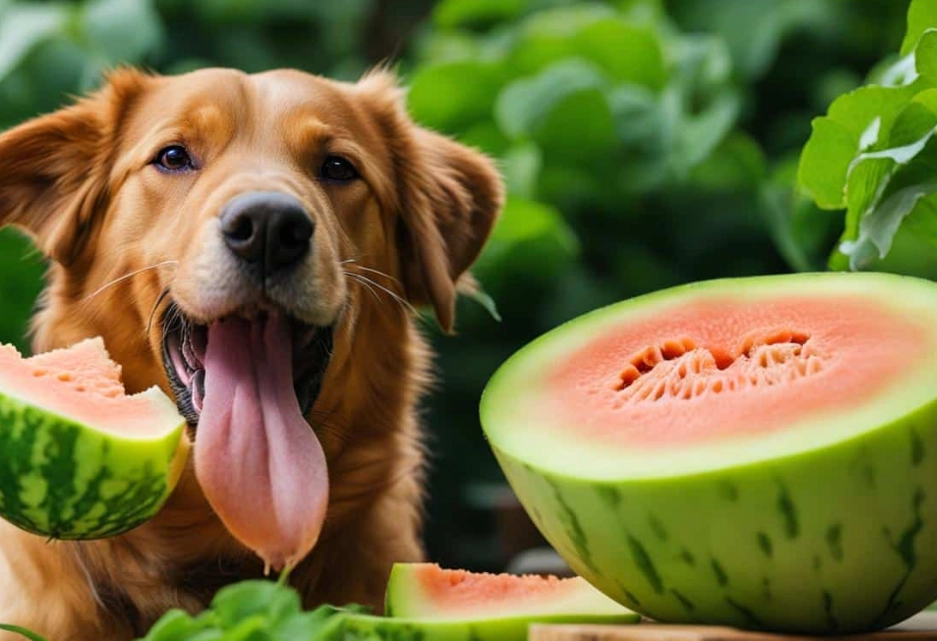
What You'll Find in This Guide
The Core Answer: Is Honeydew Safe for Dogs?
According to the American Society for the Prevention of Cruelty to Animals (ASPCA), honeydew melon is not listed as toxic to dogs. That's the green light. The flesh of a ripe honeydew is safe for canine consumption in strict moderation. It's a hydrating, low-calorie snack that can offer some vitamins.
But here's the catch most owners miss: "safe" doesn't mean "essential" or "unlimited." Think of it like letting a kid have a piece of candy. It's fine as an occasional treat, not a dietary staple. Dog food is formulated to be nutritionally complete; fruits like honeydew are just the sprinkles on top.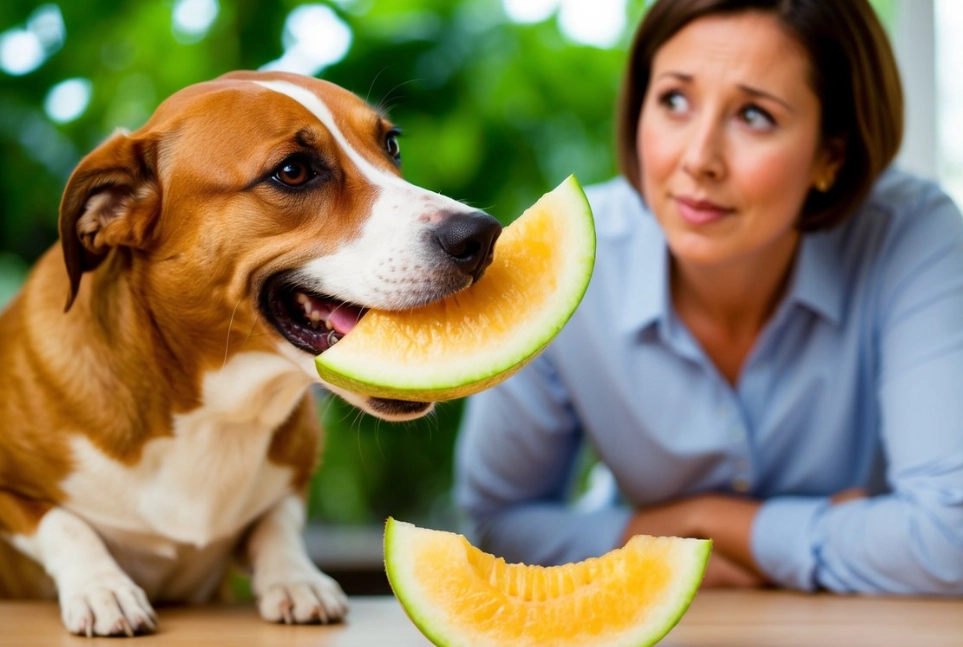
What's Actually in It for Your Dog? (The Benefits)
Honeydew is about 90% water. On a sweltering day, a cold cube can be a fantastic way to help your dog hydrate. Beyond that, it packs a few useful nutrients:
- Vitamin C: An antioxidant that supports the immune system. Dogs produce their own vitamin C, but a little extra from food doesn't hurt.
- Vitamin K: Important for healthy blood clotting and bone metabolism.
- Potassium: An electrolyte crucial for nerve function, muscle health, and maintaining a regular heartbeat.
- Fiber: The soluble fiber in honeydew can aid in healthy digestion... in tiny amounts. Too much, and it has the opposite effect (more on that below).
Let's be real, though. Your dog isn't eating honeydew for the micronutrients. They're in it for the sweet taste and the fun of getting a human-food treat. The benefits are a nice bonus, not the main event.
The Risks You Can't Ignore
This is where most guides stop, but it's the most important part. Understanding the risks prevents vet visits.
1. Sugar Content and Weight Gain
Honeydew is sweet for a reason. It contains natural sugars (fructose). While not harmful like artificial sweeteners (e.g., xylitol, which is deadly), these sugars add empty calories. For a small dog or a dog prone to weight gain, a few too many honeydew treats can contribute to obesity and related issues like diabetes. I've seen clients puzzled by their dog's weight plateau, only to find they were giving "just a little" fruit several times a day. Those calories add up fast.
2. Gastrointestinal Upset: The Diarrhea Dilemma
This is the number one adverse reaction. A dog's digestive system isn't designed for large amounts of fruit. Introduce too much honeydew too quickly, and you're almost guaranteed a case of loose stools or full-blown diarrhea. The high water and fiber content can be a shock to their gut. Always start with a piece the size of your thumbnail.
3. Choking Hazard and Intestinal Blockage
This risk is entirely preventable with proper prep. Never give a chunk with the rind, and always remove seeds. A large, slippery piece of melon could also be gulped down whole by an eager dog, posing a choking risk. Cut it into manageable, bite-sized pieces.
How to Feed Honeydew to Your Dog: A Step-by-Step Guide
Follow this checklist every single time. It takes two extra minutes and prevents 99% of problems.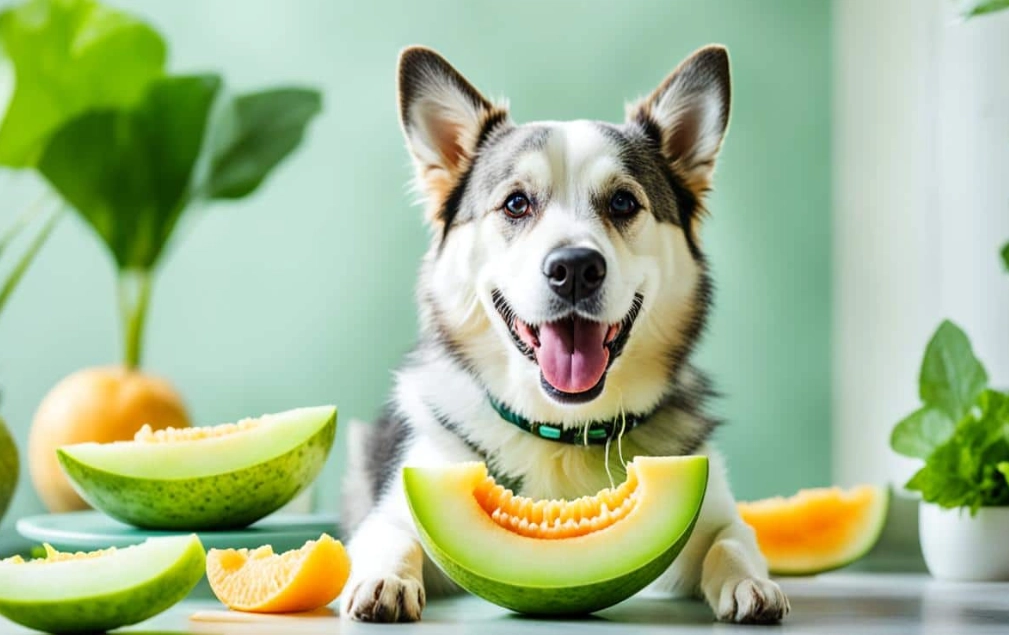
- Choose Ripe, Fresh Melon: Avoid fruit that's overripe, fermented, or moldy.
- Wash Thoroughly: Rinse the outer rind under running water to remove any pesticide residue or dirt before you cut into it.
- Remove ALL Rind and Seeds: Cut the melon away from the green skin. Scoop out the seed cluster from the center. Discard both.
- Cut into Appropriate Pieces: Dice the flesh into small, pea-to-thumbnail-sized cubes, depending on your dog's size. For small breeds, smaller than a dice.
- Start with a Micro Portion: Offer one piece. Wait 24 hours to monitor for any adverse reaction (loose stool, vomiting, gas).
- Serve in Moderation: If all is well, honeydew should constitute less than 10% of your dog's daily caloric intake. For a medium-sized dog (30 lbs), this is roughly 2-3 small cubes, 2-3 times a week max.
Honeydew vs. Other Common Fruits: A Quick Comparison
Knowing how honeydew stacks up helps you rotate treats safely.
| Fruit | Safe for Dogs? | Key Notes & Precautions | Relative Sugar Content |
|---|---|---|---|
| Honeydew | Yes | No rind/seeds. Moderate sugar. Great for hydration. | Medium |
| Watermelon | Yes | No rind/seeds. Even higher water content. Very low calorie. | Low-Medium |
| Cantaloupe | Yes | No rind/seeds. Similar to honeydew, slightly more vitamin A. | Medium |
| Blueberries | Yes | Excellent low-calorie antioxidant treat. Can be fed frozen. | Low |
| Grapes & Raisins | NO | Highly toxic, cause kidney failure. Never feed. | N/A |
| Apple | Yes | No core/seeds (contain cyanide). Slice flesh only. | Medium |
Your Questions Answered
 Is frozen honeydew a good summer treat for puppies?
 So, the next time those puppy-dog eyes are locked on your melon bowl, you can confidently share a tiny, well-prepared piece. Remember the mantra: ripe flesh only, no rind or seeds, and in extreme moderation. It's a safe way to let your dog join in on a summer moment without compromising their health. When in doubt, especially with dogs that have health conditions, skipping the treat and offering a pat instead is always the safest bet.
Related Articles