A Complete Guide to Kidney Failure in Dogs: Signs, Treatment & Care
I remember the day my vet called about Buddy's bloodwork. His creatinine was elevated. That single word, "kidney," sent a chill down my spine. If you're reading this, you might be in a similar spot—waiting for test results, noticing your dog isn't quite themselves, or just trying to prepare. Kidney failure in dogs isn't a death sentence, but it is a marathon. It changes how you care for your dog, and frankly, it can be overwhelming. Let's break it down, strip away the panic, and talk about what it really means, what you can do, and how to give your dog the best life possible from here. Let's start simple. Your dog's kidneys are like a sophisticated, non-stop filtration plant. They remove waste from the blood, balance electrolytes, regulate blood pressure, and produce hormones that make red blood cells. Kidney failure, or renal disease, means this plant is breaking down. Vets talk about two main types: acute and chronic. Acute kidney failure (AKI) hits fast. It's often caused by a specific, severe insult. Think about a dog getting into antifreeze (ethylene glycol), certain toxins like lilies, a bad infection, or a major drop in blood flow from shock or dehydration. The damage happens over hours or days. This is an absolute emergency. The kidney tissue might recover with aggressive, immediate treatment, or it might not. Chronic kidney disease (CKD) is the slow burn. This is what we usually mean when talking about an older dog with "kidney problems." It's a gradual, irreversible loss of function over months or years. By the time blood tests show elevated values, a significant portion (often 75% or more) of kidney function is already gone. The goal here isn't to cure it—you can't regrow nephrons (the filtering units)—but to manage it, slow its progression, and support the remaining function. Why it's sneaky: Kidneys have immense functional reserve. A dog can appear perfectly normal until they've lost most of their kidney capacity. That's why early detection through senior blood screens is so valuable, even if your dog seems fine. The symptoms creep up. You might dismiss them as just "getting older." I did. Buddy was just drinking a bit more. Here’s what to watch for, staged from subtle to severe. Increased thirst and urination are the classic duo. The failing kidneys can't concentrate urine properly, so your dog pees more (polyuria) and drinks more to compensate (polydipsia). You'll be filling the water bowl more often and maybe noticing more accidents or requests to go out. Mild weight loss or a slightly less shiny coat. The body starts breaking down muscle because it's struggling to manage waste products. Subtle decrease in appetite. They might be pickier or leave a little food. This is when things get harder to ignore. Lethargy becomes pronounced. Your dog sleeps more, plays less. Nausea sets in, leading to obvious loss of appetite, drooling, or even vomiting. You might notice bad breath that smells vaguely chemical or metallic (uremic breath). Weight loss becomes rapid. In severe cases, ulcers can develop in the mouth or stomach. You can't diagnose this at home. If you see the signs, the vet visit is non-negotiable. Diagnosis isn't just one test; it's a puzzle. The starting point is bloodwork. Two key numbers: The SDMA test is a game-changer. It's a newer biomarker that can rise earlier than creatinine, potentially detecting kidney loss of just 25%. The IDEXX SDMA test has become a standard part of many senior panels. Next, urinalysis. This is critical. The vet looks at urine concentration (specific gravity). In kidney failure, it's often very dilute, like water. They also check for protein loss (proteinuria), which is a bad sign for progression, and for infections that could complicate things. Sometimes, imaging like an ultrasound is needed. This checks the kidneys' size, shape, and structure. Shrunken, irregular kidneys suggest chronic disease. It can also rule out blockages or stones. Based on all this, your vet will stage the disease. The International Renal Interest Society (IRIS) staging system is widely used, categorizing disease from Stage 1 (mild) to Stage 4 (severe) based on creatinine levels and other factors. This staging guides treatment intensity. Treatment for chronic kidney disease is multifaceted. It's not a single pill. Think of it as a support system for the remaining kidney workers. 1. Fluid Therapy: This is the cornerstone. Dehydration is a huge strain on sick kidneys. For hospitalized dogs in crisis, this means IV fluids. At home, it often means subcutaneous (SQ) fluids. You give fluids under the skin, which the body slowly absorbs. It sounds scary, but most owners and dogs adapt quickly. It's like a mini-hydration boost that can make a dog feel dramatically better—more energy, better appetite. 2. The Renal Diet: This is non-negotiable and the most impactful thing you can do long-term. Prescription kidney diets (Hill's k/d, Royal Canin Renal, Purina NF) are not just "low protein." They are precisely formulated with: 3. Medications: These target specific problems. 4. Managing Blood Pressure: Hypertension is a common silent killer in kidney dogs, damaging the eyes, heart, and the kidneys further. Regular checks are needed. This is where the rubber meets the road. Management becomes part of your daily rhythm. Feeding: You become a short-order cook. Offer food frequently, in small, enticing meals. Warm it up. Hand-feed if you have to. The goal is calorie intake. If they refuse the renal diet one day, getting any safe food into them is sometimes the priority (like boiled chicken breast and white rice), then back to the prescription diet the next day. The perfect diet is useless if they won't touch it. Water Access: Fresh water everywhere. Multiple bowls. Consider a pet fountain to encourage drinking. I kept one in the living room and one by Buddy's bed. Monitoring: Keep a simple log. Track weight weekly (a kitchen scale works for small dogs). Note appetite, energy level, and vomiting episodes. This log is gold for your vet visits—it's objective data, not just "he seems okay." The Sub-Q Fluid Routine: You'll pick a quiet time. Get the bag, line, needle, and treats. I did it while Buddy was lying on his bed, with a spoonful of peanut butter to lick. The whole process took 10 minutes. The lump of fluid (the "camel hump") absorbs in a few hours. It's not painful, just a quick poke. Vet Partnership: You'll see your vet more often. Recheck bloodwork every 3-6 months to adjust medications and diet. Don't view these as stressful events, but as tune-ups to keep your dog on track. This is the hardest part. Prognosis varies wildly. A dog diagnosed early in Stage 2 with good management can live for years—often 2-4 years or more. A dog presenting in late Stage 4 might have only weeks or months. The IRIS guidelines provide a framework, but your dog is an individual. I've seen dogs defy the averages. Focus shifts from "curing" to quality of life. This is a personal, family decision. Useful tools are quality-of-life scales like the HHHHHMM Scale (Hurt, Hunger, Hydration, Hygiene, Happiness, Mobility, More good days than bad). Track the good days versus the bad days. When are there more bad days? When nausea is constant, when they can't get comfortable, when they stop interacting with the family. It's about dignity. Making the decision for humane euthanasia is the final, profound act of love, to prevent suffering. Talk to your vet openly about this. They can help you recognize the signs that it's time. Walking the path of canine kidney disease is challenging. There will be good days and frustrating setbacks. But with attentive care, a strong partnership with your veterinarian, and a focus on the small joys—a good meal, a comfortable nap in the sun, a gentle walk—you can provide your dog with meaningful, quality time. The goal isn't a perfect number on a lab sheet; it's a happy dog who still finds pleasure in their days. That's a fight worth having.
What You'll Find in This Guide
What Exactly Is Kidney Failure in Dogs?
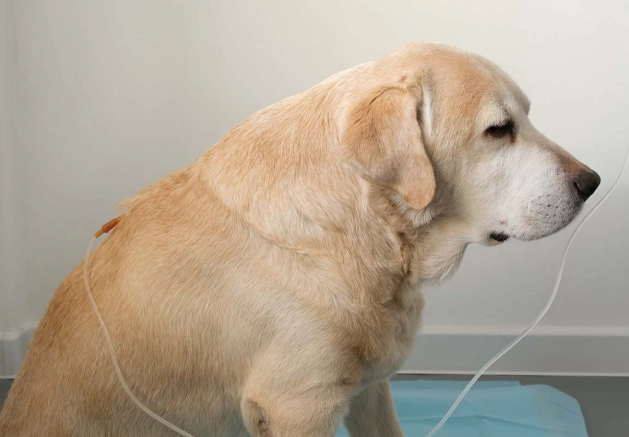
Spotting the Signs: Early and Late Symptoms of Canine Kidney Failure
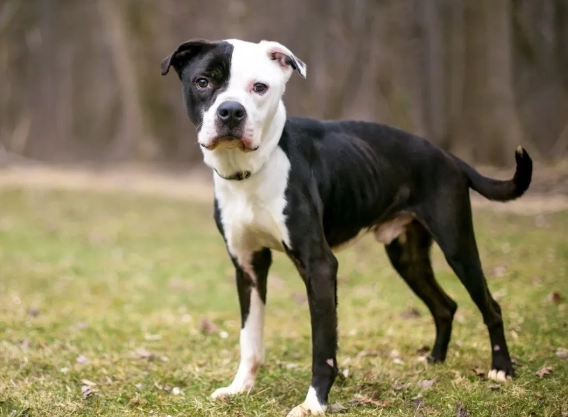
Early Stage Symptoms (Often Missed)
Later Stage Symptoms (The Red Flags)
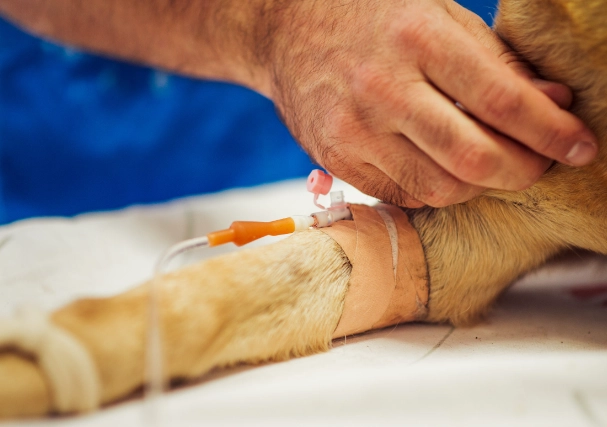
Symptom
What It Looks Like
Why It Happens
Excessive Drinking/Urination
Empty water bowl constantly, needing out every 2-3 hours.
Kidneys can't conserve water, produce dilute urine.
Lethargy & Weakness
No interest in walks, sleeping all day, hard time jumping up.
Anemia (low red blood cells) and buildup of toxins.
Nausea & Vomiting
Turning nose up at food, drooling, throwing up bile.
Buildup of uremic toxins in bloodstream irritates stomach.
Weight Loss
Ribs and spine becoming prominent, muscle wasting.
Body catabolizes muscle due to illness and poor appetite.
Bad Breath
Ammonia-like or metallic odor from the mouth.
Uremic toxins being excreted through saliva.
How Do Vets Diagnose Kidney Disease?
Blood Urea Nitrogen (BUN) and Creatinine. When kidneys fail, these waste products rise. But here's a nuance many miss: creatinine can be falsely normal in a very muscular dog or falsely elevated in a dehydrated one. That's why context matters.
Navigating Treatment: From Fluids to Diet
- Reduced, but high-quality protein: Less waste for kidneys to filter.
- Low phosphorus: High phosphorus is toxic and accelerates disease. These diets have very low levels, and often need binders added.
- Balanced omega-3s: To reduce inflammation.
- Added potassium & B vitamins: Which are lost in urine.
The transition must be slow, over 2-3 weeks, mixing increasing amounts with the old food.
- Phosphate binders (e.g., aluminum hydroxide, calcium carbonate): Given with meals to trap dietary phosphorus so it passes in feces instead of the blood.
- ACE inhibitors (e.g., benazepril): Help reduce protein loss in urine and control blood pressure.
- Anti-nausea drugs (e.g., maropitant/Cerenia, ondansetron): Crucial for getting a dog to eat.
- Appetite stimulants (e.g., mirtazapine): Used short-term to kickstart eating.
- Erythropoiesis-stimulating agents (ESAs): For severe anemia, to stimulate red blood cell production.The Daily Reality: Caring for a Dog with Kidney Failure
Facing Difficult Decisions: Prognosis and Quality of Life
Your Kidney Disease Questions Answered