Cat Ear Infection: Symptoms, Treatment, and Prevention Guide
If your cat's scratching its ears like there's no tomorrow, you might be dealing with an ear infection. It's common, but many owners miss the signs until it's painful. I learned this the hard way with my cat, Milo, who had a yeast infection I brushed off as dirt. Let's cut through the noise and get straight to what matters: symptoms, causes, and fixes that work.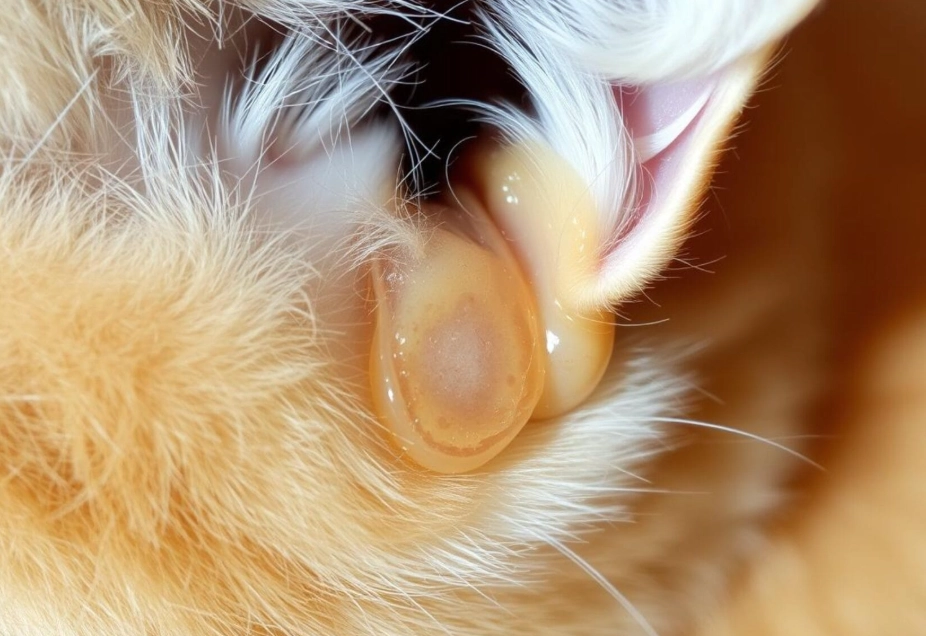
Jump Straight to What You Need
What Exactly is a Cat Ear Infection?
An ear infection in cats, or otitis, is inflammation in the ear canal, often due to bacteria, yeast, or parasites. It's not just about wax buildup. The outer ear gets inflamed, and if left untreated, it can spread deeper. Think of it like a tiny swamp in your cat's ear—moist, warm, and perfect for germs to thrive.
Two Main Types You Should Know
Otitis externa affects the outer ear canal. Most cases start here. Otitis media involves the middle ear and is more serious, potentially leading to balance issues. I've seen cats with media infections that took weeks of antibiotics to clear up.
Symptoms You Can't Afford to Ignore
Scratching isn't the only sign. Here's a breakdown from mild to severe: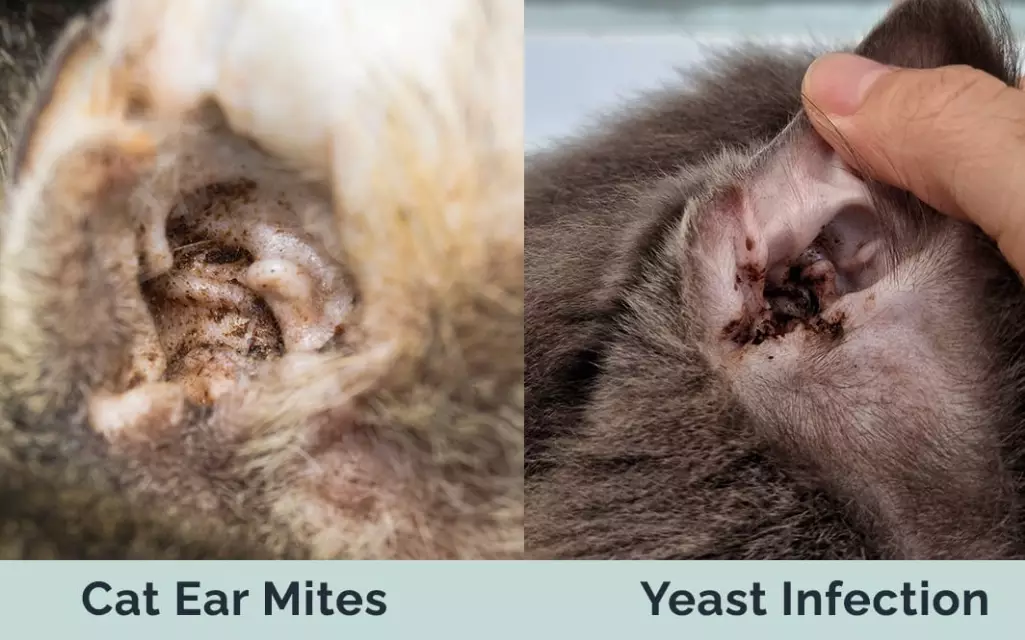
- Early signs: Head shaking, mild redness, a bit of dark discharge that looks like coffee grounds. My neighbor's cat had this, and they thought it was just dirt.
- Advanced symptoms: Swelling, foul odor, yellow or bloody discharge, tilting head to one side. If your cat cries when you touch its ears, it's likely painful.
One thing vets rarely mention: cats might hide pain by being extra quiet. Milo just sat in a corner, which I misread as laziness.
What's Really Causing the Problem?
It's usually a mix of factors. The big players:
- Ear mites: Tiny parasites that cause intense itching. Common in kittens.
- Allergies: Food or environmental allergies can trigger inflammation. A study from the American Veterinary Medical Association (AVMA) notes that allergies are a leading cause of recurrent ear issues.
- Moisture: From bathing or humidity, creating a breeding ground.
- Anatomy: Cats with folded ears, like Scottish Folds, are more prone.
I've noticed that many owners blame mites alone, but in adult cats, allergies are often the hidden culprit.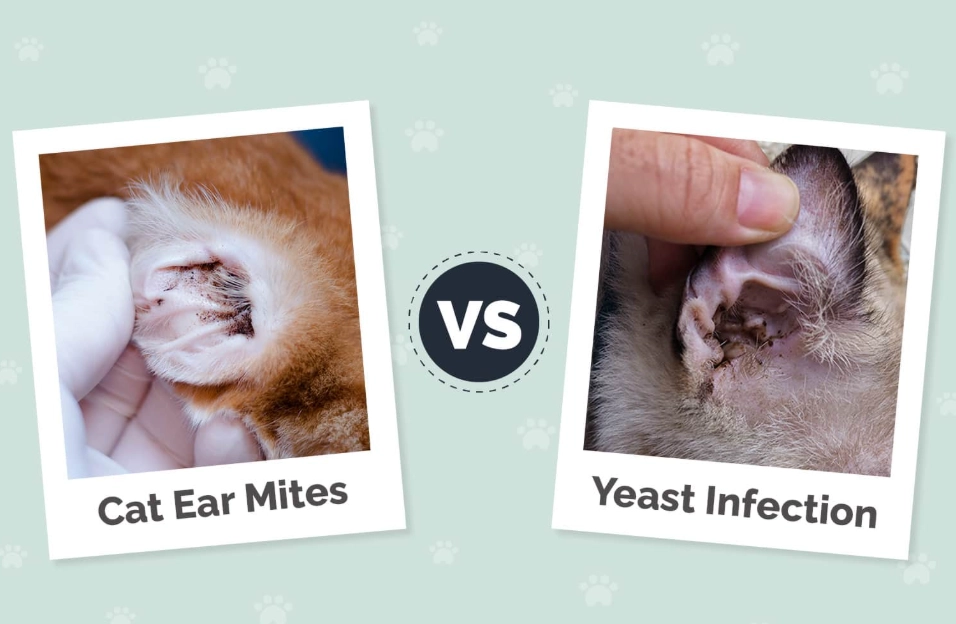
How to Get a Proper Diagnosis
Don't guess. A vet will use an otoscope to look inside the ear and might take a swab for testing. This tells if it's bacterial, yeast, or mites. Skipping this step is like throwing darts blindfolded—I did that once with a home remedy, and it made things worse.
When to Rush to the Vet
If your cat shows balance problems, seems disoriented, or has swelling, go immediately. These could signal a middle ear infection that needs urgent care.
Treatment Options: From Home to Vet
Treatment depends on the cause. Here's a quick comparison:
| Cause | Typical Treatment | Duration |
|---|---|---|
| Bacterial | Antibiotic drops (e.g., Baytril) | 7-14 days |
| Yeast | Antifungal drops (e.g., Miconazole) | 10-21 days |
| Ear Mites | Parasiticides (e.g., Revolution) | Single dose or repeated |
| Allergies | Diet change, antihistamines | Long-term management |
For mild cases, cleaning with a vet-approved solution can help. But never use human products—they're too harsh. I tried apple cider vinegar once, and Milo hated it; it dried out his skin.
Prescription meds often work better. Follow the vet's instructions exactly. Stopping early is a common mistake that leads to relapse.
Prevention Strategies That Actually Work
Prevention beats cure every time. Here's what I do now: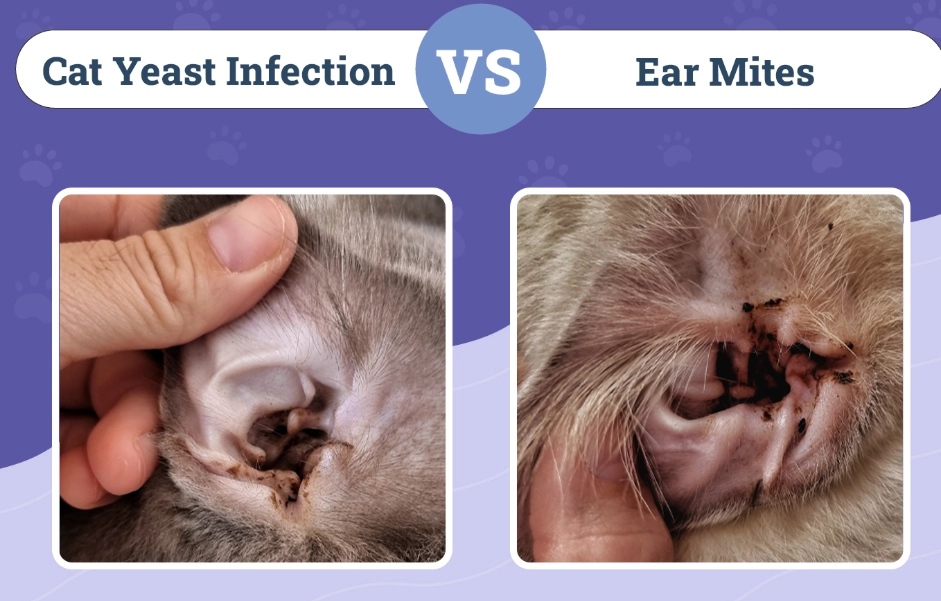
- Regular checks: Peek into your cat's ears weekly. Look for redness or discharge.
- Gentle cleaning: Use a damp cotton ball monthly, or as needed. Avoid over-cleaning.
- Diet control: Feed high-quality food with omega-3s. If allergies are suspected, try a limited-ingredient diet.
- Keep ears dry: After baths, dry the ears thoroughly.
It's not rocket science, but consistency matters. My cats haven't had an infection in two years since I started this routine.
Your Burning Questions Answered
 Are over-the-counter ear drops safe for cats with infections?
Bottom line: Cat ear infections are manageable if caught early. Trust your gut—if something seems off, check it out. Regular care and vet visits save you and your cat a lot of trouble.
Related Articles