Can Dogs Eat Ice Cream? Vet-Approved Safety Guide
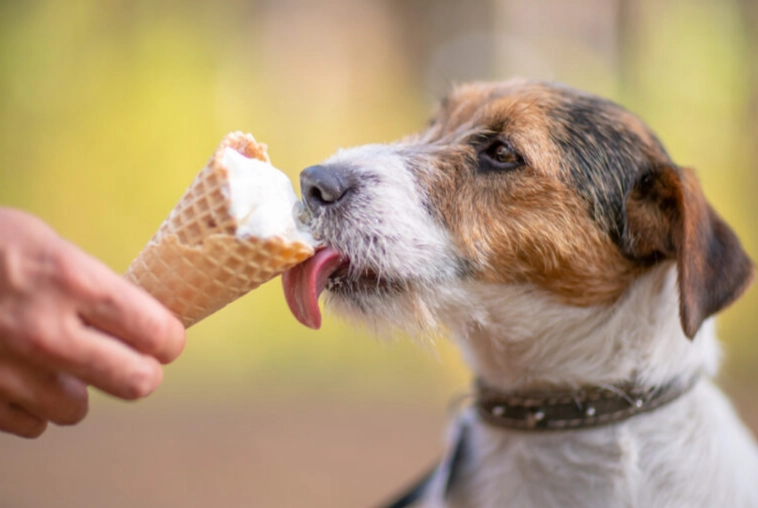
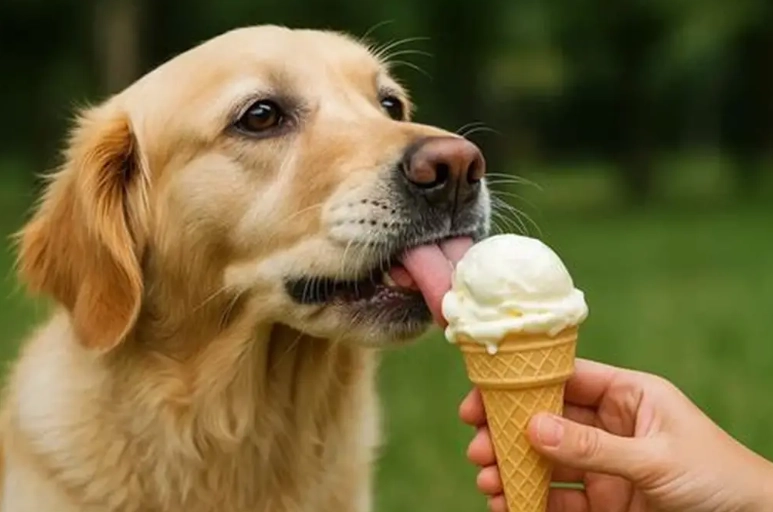
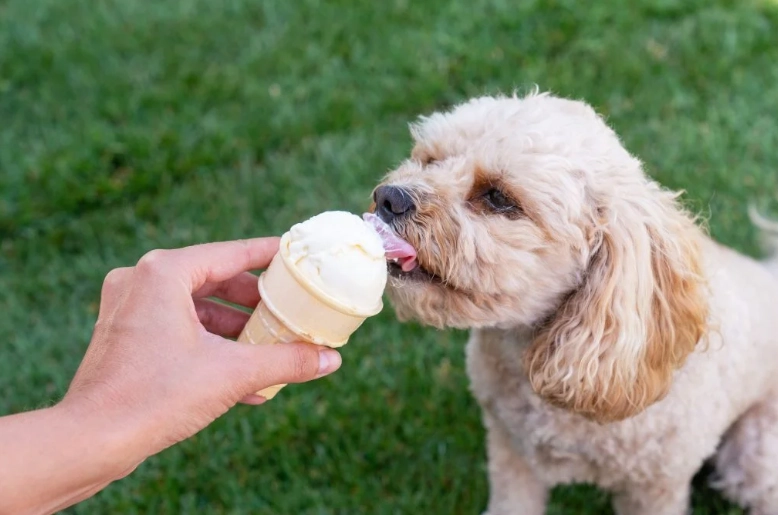
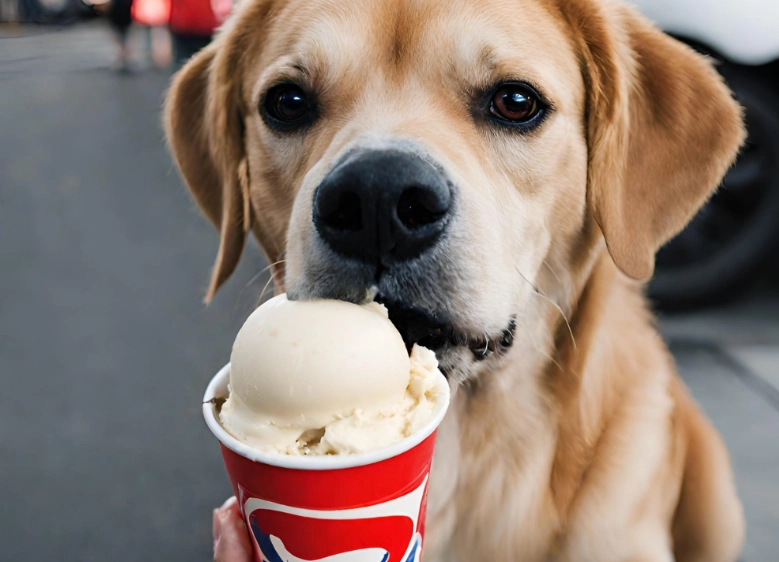
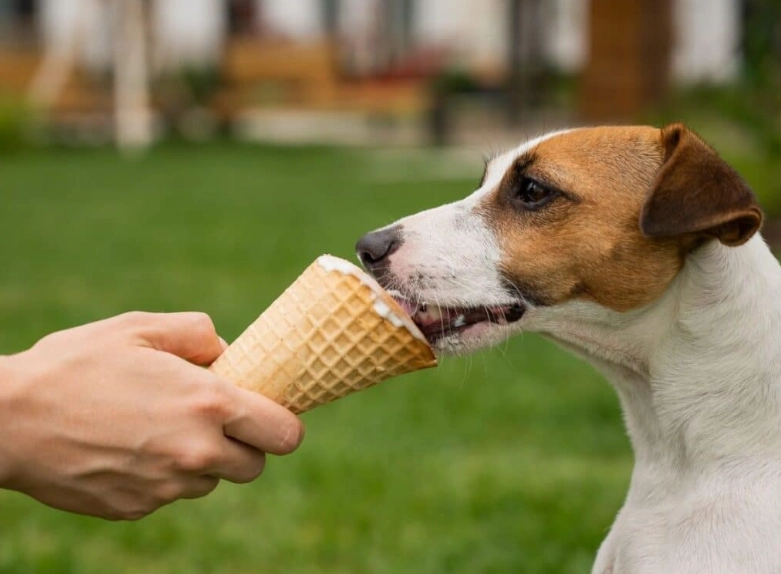
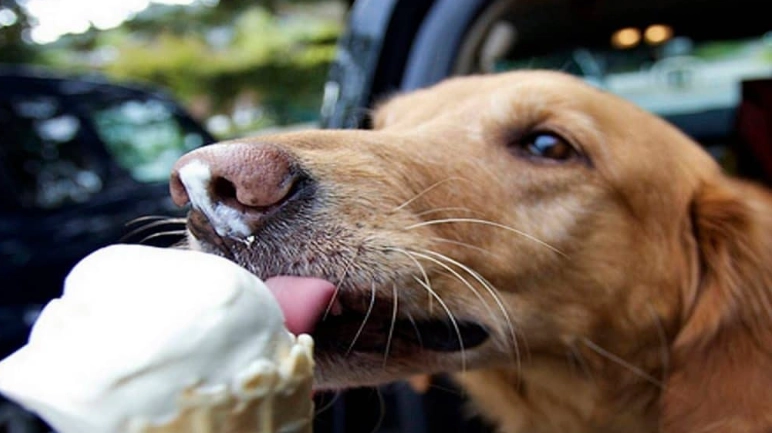
Let's get straight to it: most of the time, dogs should not eat human ice cream. I've been a dog owner for over a decade, and I've seen enough upset stomachs and vet visits to know it's not worth the risk. But that doesn't mean your pup has to miss out on frozen treats altogether. In this guide, I'll break down the science, share some hard-earned lessons, and give you practical options to keep your dog cool and happy. Ice cream might seem harmless, but for dogs, it's a cocktail of potential problems. The main issue is lactose. Dogs, like many mammals, lose the ability to digest lactose as they age. According to the American Kennel Club, most adult dogs are lactose intolerant. Feeding them dairy can lead to gas, bloating, and diarrhea—trust me, I learned this the hard way when my Golden Retriever, Max, got into a bowl of vanilla ice cream and spent the night in discomfort. But lactose is just the start. Ice cream is packed with sugar and fat, which can contribute to obesity and pancreatitis. Pancreatitis is inflammation of the pancreas, and it's painful and expensive to treat. I've talked to vets who say they see a spike in cases during summer, often linked to rich treats like ice cream. You might think a tiny spoonful won't hurt, but some ingredients are outright toxic. Let's dive into the specifics. Xylitol is an artificial sweetener found in many sugar-free ice creams. It's highly toxic to dogs, causing a rapid insulin release that leads to hypoglycemia (low blood sugar). The ASPCA Animal Poison Control Center lists xylitol as a common poison for pets. Symptoms include vomiting, loss of coordination, and seizures. I recall a story from a fellow dog owner whose small breed ate a sugar-free popsicle; the vet bill ran into thousands for emergency care. Chocolate ice cream is a double whammy—it combines the dangers of dairy with theobromine, a compound toxic to dogs. Even small amounts can cause heart issues or seizures. Other additives like nuts (especially macadamia nuts) or raisins can be harmful too. Always check labels; human treats are designed for humans, not dogs. Pro Tip: If you're unsure about an ingredient, look it up on the Pet Poison Helpline website or consult your vet. Don't rely on internet forums alone—I've seen too much misinformation out there. Now for the good news: there are plenty of dog-friendly options. Here's a comparison to help you choose. I prefer making my own treats. Here's a quick recipe I use: blend one ripe banana with a cup of plain Greek yogurt and a tablespoon of xylitol-free peanut butter. Pour into ice cube trays and freeze. Max goes crazy for these, and I know exactly what's in them. Brands like 'Frosty Paws' or 'Pooch Creamery' market themselves as safe, but read the fine print. Some use carrageenan, a thickening agent that can cause digestive issues in sensitive dogs. I've tried a few; the ones with simple ingredients work best, but they can be pricey. If you go this route, limit servings to occasional treats. Summer heat can be tough on dogs, but ice cream isn't the solution. Instead, focus on cooling methods that don't risk their health. Another idea: freeze a Kong toy with wet dog food or pumpkin puree. It keeps them occupied and cool. I do this for Max, and it buys me a good hour of peace. Let's clear up some misconceptions I hear all the time. Myth 1: "A little bit won't hurt." Sure, some dogs might tolerate it, but why risk it? Dogs have different sensitivities. My neighbor's Border Collie can handle a lick, but my friend's Bulldog gets sick every time. It's a gamble. Myth 2: "Lactose-free ice cream is safe." As I mentioned earlier, lactose-free doesn't mean sugar-free or xylitol-free. Many brands replace lactose with other problematic ingredients. Myth 3: "Dogs need treats to stay cool." Actually, dogs cool themselves through panting and paw pads. Frozen treats are more for enjoyment than necessity. Provide fresh water and shade instead. I hope this guide helps you make informed choices. Share your own experiences in the comments; I'd love to hear what works for your furry friend!What You'll Find in This Guide
The Short Answer: Why Ice Cream is a No-Go
Hidden Dangers in Your Ice Cream Pint
Xylitol: The Silent Killer
Chocolate and Other Additives
Safe Alternatives to Ice Cream for Dogs
Treat Type
Ingredients
Benefits
Risks to Watch
Homemade Frozen Yogurt
Plain yogurt, banana, peanut butter (xylitol-free)
High in probiotics, low in sugar, customizable
Overfeeding can cause weight gain; ensure peanut butter has no xylitol
Commercial Dog Ice Cream
Formulated for dogs, often lactose-free
Convenient, portion-controlled
Some brands contain fillers or preservatives; check labels
Frozen Fruits
Watermelon, blueberries, strawberries
Natural vitamins, hydrating
Remove seeds and pits; avoid grapes or raisins
Ice Cubes
Water or low-sodium broth
Simple, cheap, helps with hydration
Can be a choking hazard for eager eaters; supervise
Store-Bought Options: Are They Worth It?
How to Safely Treat Your Dog on Hot Days
Common Myths About Dogs and Ice Cream Debunked
FAQ: Your Burning Questions Answered
 Wrapping up, the key takeaway is simple: skip the human ice cream. It's not worth the vet bills or your dog's discomfort. Opt for homemade or carefully vetted commercial alternatives. Remember, every dog is different—what works for one might not for another. If in doubt, consult your vet. They've seen it all, from minor tummy aches to serious poisonings.