Can I Give My Dog Benadryl? Vet-Approved Safety Guide
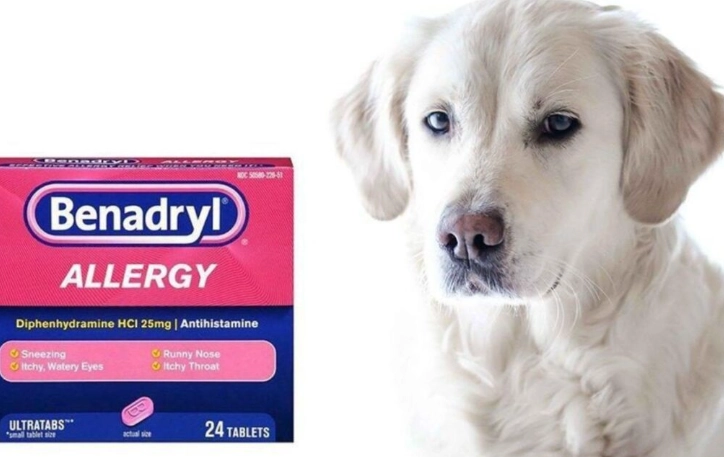
You're staring at your dog, who won't stop scratching his ear raw. It's 8 PM on a Sunday. The vet's closed. And right there in the medicine cabinet is a box of Benadryl. The question pops into your head, loud and clear: Can I give my dog Benadryl? Let's cut to the chase. The short answer is sometimes, but not always, and never without knowing the exact rules. Diphenhydramine, the active ingredient in most Benadryl products, is one of the few human medications veterinarians occasionally recommend for dogs. But here's the part that doesn't get said enough: using it wrong can do more harm than good. I've seen pet owners accidentally sedate their dog for a day because they misread the dosage, or worse, grab the wrong formulation. This guide isn't just a list of facts. It's a roadmap for making a safe decision, built on veterinary principles and the kind of practical details you only learn from years of managing a pet's health. Benadryl is an antihistamine. In dogs, it's not a cure-all. Vets might consider it for specific, temporary situations. Mild allergic reactions: Think seasonal allergies causing sneezing or hives from a bug bite. For a sudden breakout of itchy welts after your dog explored the backyard, Benadryl can help. For chronic, year-round skin itching? It's often ineffective, and you're just masking a problem that needs a real diagnosis. Motion sickness: Some vets recommend it for car rides. However, its sedative effect is the main mechanism here—it makes your dog drowsy enough to not feel nauseous. There are better, dedicated anti-nausea meds your vet can prescribe. Mild anxiety from noise: For the occasional thunderstorm or fireworks night, the sedation can take the edge off. It's not a treatment for separation anxiety or generalized anxiety disorder in dogs. This is critical. Giving Benadryl in these situations can be dangerous: The golden rule? A phone call to your vet before the first dose is non-negotiable. Describe the symptoms, your dog's weight, and any other health issues. This is where most mistakes happen. The math seems simple, but the devil's in the details. The standard veterinary dosage for diphenhydramine is 1 milligram (mg) per pound of your dog's body weight, administered 2-3 times per day (about every 8-12 hours). Let's make it visual. For a healthy adult dog, here's a quick reference: Sounds easy, right? Here's the expert nuance everyone misses: You must use your dog's current, accurate weight. That "last known weight" from six months ago? Useless. A dog that's gained or lost even 5 pounds needs a recalculated dose. Weigh your dog. Use a bathroom scale—weigh yourself, then weigh yourself holding your dog, and subtract. Another pitfall? The form. You must use only plain diphenhydramine. What to buy: Look for the most basic, generic version. The label should list only one active ingredient: Diphenhydramine HCl. Tablets or capsules are easiest to dose. What to AVOID like the plague: Read the Drug Facts panel every single time. Don't assume. Beyond the wrong formula, there's the risk of interaction. Benadryl doesn't play nice with everything. If your dog is on any of the following, you need explicit vet approval: Think of it this way: you're adding a depressant to your dog's system. If other drugs are already slowing things down, you risk hitting the brakes too hard. So you've checked the boxes, gotten the vet's nod, and given the dose. What now? Drowsiness is the most common effect. Your dog might nap heavily. This is normal. Ensure they're in a safe, comfortable spot where they won't fall off furniture or stairs. Dry mouth, or less frequent urination can also occur. You need to watch for signs of an adverse reaction or overdose, which include: If you see any of these, stop the medication and contact your vet or an emergency animal hospital immediately. Have the Benadryl package with you so you can tell them exactly what was given. Let's be honest. Benadryl is an old, first-generation drug. It's like using a sledgehammer when you might need a scalpel. Veterinary medicine has advanced. For chronic allergies, vets now have tools that work better with fewer side effects: The bottom line? Benadryl is a temporary, over-the-counter band-aid. A proper veterinary diagnosis is the real cure. Investing in that visit can save you money on endless Benadryl bottles and, more importantly, give your dog lasting comfort. Your dog's health isn't a guessing game. When in doubt—and there will be doubt—pick up the phone. That's the real mark of a responsible pet owner.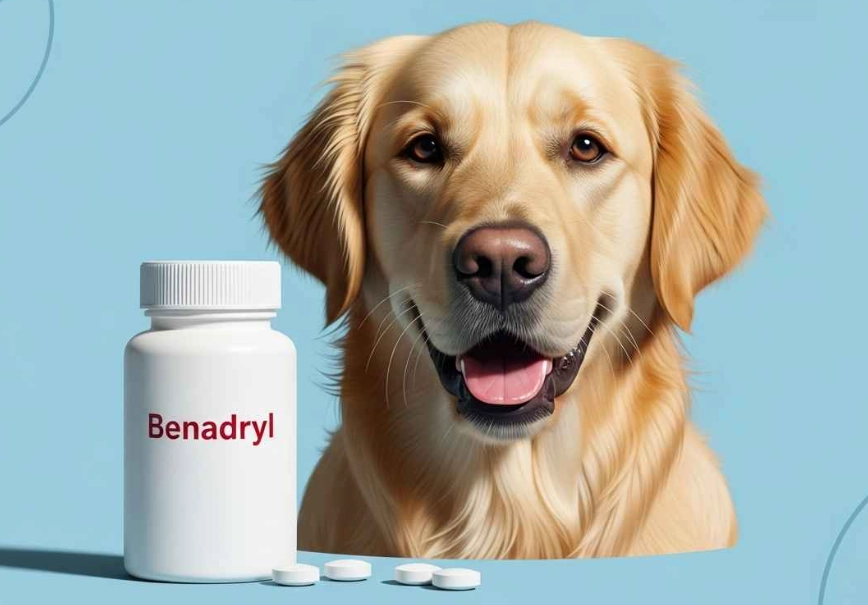
What You'll Learn in This Guide
When Vets Say It's Okay (And When It's Absolutely Not)
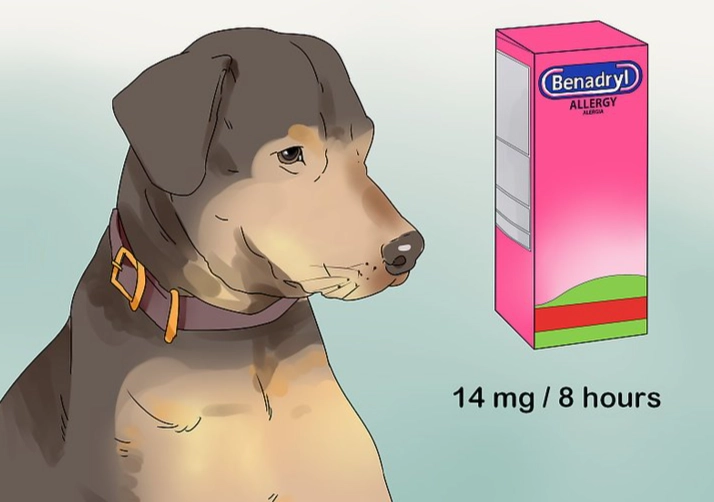
Common Uses (The "Maybe" List)
Red Flags: When Benadryl is a Hard NO
The Benadryl Dosage Calculator: Getting It Right
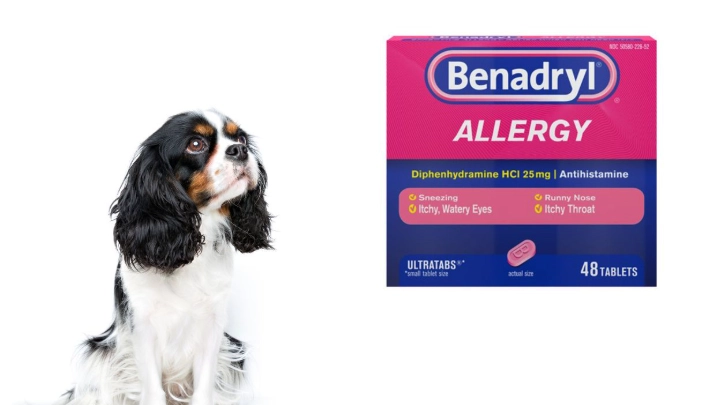
Dog Weight
Approximate Dose (mg)
Common Benadryl Tablet Equivalent
10 lbs
10 mg
½ of a 25 mg tablet
25 lbs
25 mg
1 x 25 mg tablet
50 lbs
50 mg
2 x 25 mg tablets
75 lbs
75 mg
3 x 25 mg tablets
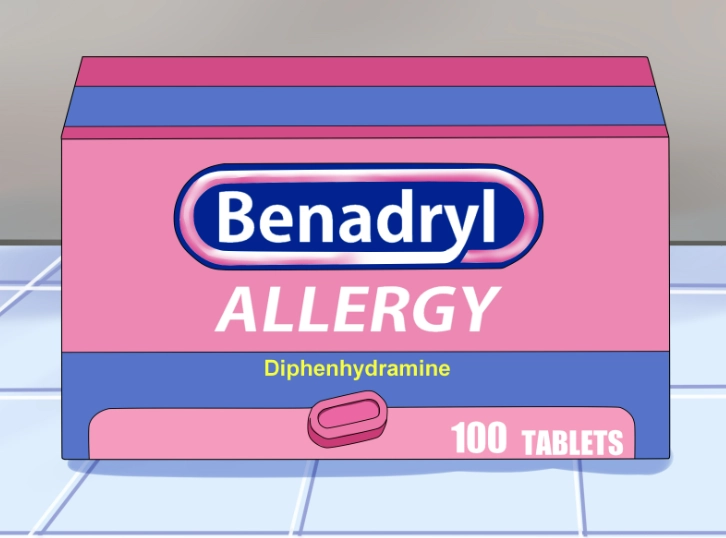
The ONLY Safe Form to Use
The Hidden Dangers in Your Medicine Cabinet
What to Expect After Giving Benadryl
Are There Better, Vet-Prescribed Alternatives?

Your Top Questions, Answered
 Look, I get it. When your dog is miserable, you want to help fast. Benadryl can be a useful tool in your pet first-aid kit, but it's a tool with a very specific instruction manual. Skipping the step of calling your vet, guessing the dose, or grabbing the wrong box turns a potential helper into a hazard.