Guinea Pig Lifespan: How Long Do They Live & How to Extend Their Lives
Quick Guide to This Article
So you're thinking about getting a guinea pig, or maybe you've already welcomed one of these wheeking bundles of joy into your home. One of the very first questions that pops into any responsible owner's mind is, "How long do guinea pigs live?" It's a heavy question, right? Because asking about their lifespan is really asking about the commitment you're making. It's not like caring for a hamster for a couple of years. The answer is more complex—and honestly, more hopeful—than a simple number.
I remember when I got my first pair, Peanut and Butter. The pet store employee casually said, "Oh, they live about 5 or 6 years." That felt manageable. But then I dove into online forums and spoke with a specialized exotics vet, and a whole new world opened up. The guinea pig lifespan isn't just a fixed countdown; it's a story written by genetics, care, environment, and a bit of luck. Some live shockingly short lives due to preventable issues, while others become venerable old-timers, pushing the boundaries of what we think is possible.
Let's cut through the noise and the vague averages. This isn't just about stating a statistic. It's about understanding what that number means, what influences it, and most importantly, how you can directly influence it to give your cavy the longest, healthiest life possible. We'll look at the numbers, break down the why's, and give you a practical, step-by-step guide to maximizing your time together. Because knowing the potential guinea pig life expectancy is the first step in planning for a wonderful, long journey.
The Core Truth: The typical, often-cited average guinea pig lifespan is 5 to 7 years. This is a good baseline. However, calling this "average" is tricky. In my experience and from vet chats, many pets don't reach the upper end due to common care mistakes, while a well-cared-for piggy living to 8 or even 9 years is not a miracle—it's a testament to excellent care. Lifespans under 4 years often point to underlying health or husbandry issues.
What Really Determines a Guinea Pig's Lifespan? It's Not Just Luck
If you think a guinea pig's longevity is a roll of the dice, you're only half right. Genetics loads the dice, but your care and environment decide how you roll them. Let's peel back the layers on the major factors.
Breed and Genetics: The Blueprint
This is the starting hand your pig is dealt. While all guinea pigs (Cavia porcellus) are the same species, different breeds have different general tendencies. It's not a hard rule, but a pattern observed by breeders and vets.
| Breed | Typical Lifespan Range | Why the Difference? |
|---|---|---|
| American/English (Short-Hair) | 5 - 8+ years | Often considered the "hardiest." Less grooming needs, fewer genetic complications from coat types. Many record-holding older pigs are this breed. |
| Abyssinian | 5 - 7 years | Generally robust, but their rosettes require regular grooming to prevent matting and skin issues. |
| Peruvian & Silkie (Long-Hair) | 5 - 7 years | Stunning coats come with high maintenance. Without daily grooming, mats can cause pain, skin infections, and attract flies. This constant stress can impact longevity. |
| Skinny Pig & Baldwin (Hairless) | 4 - 6 years | More vulnerable. They lack fur's insulation and protection, making them prone to skin injuries, sunburn, and temperature fluctuations. They often have higher metabolic needs to stay warm. |
| Rex & Teddy | 5 - 7 years | Their dense, plush coats are generally low-shedding but can sometimes be linked to specific genetic conditions depending on the breeding line. |
Genetics also covers inherited conditions. Reputable breeders work to minimize these, while irresponsible breeding (for certain colors or traits) can pass on problems like heart defects or dental malocclusion, severely shortening life. This is why knowing your pig's origin matters.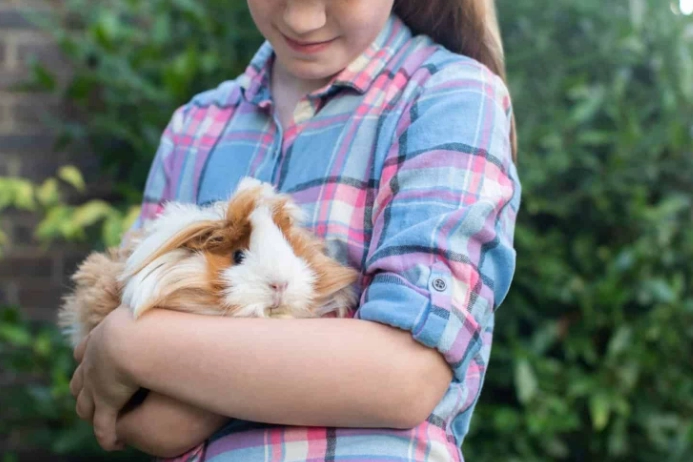
A breed isn't a destiny, but it's a factor you can't change later.
Diet: The Foundation of Everything
This is arguably the most powerful lever you control. Get this wrong, and you're fighting an uphill battle for their entire guinea pig life expectancy. Their digestive system is a finely tuned fermentation vat.
- Unlimited Hay (80-90% of diet): Not just bedding. Timothy hay (or orchard grass, meadow hay) is essential for endless chewing, which wears down ever-growing teeth and keeps the gut moving. Alfalfa hay is only for young, pregnant, or nursing pigs due to high calcium.
- Fresh Vegetables (10-15%): Daily source of Vitamin C, which they cannot synthesize. Bell peppers (all colors) are a superstar. Romaine lettuce, cilantro, cucumber. Variety is key. Introduce new veggies slowly.
- High-Quality Pellets (5% or less): A supplement, not a staple. Look for plain, timothy-based pellets fortified with Vitamin C (check expiry dates!). Avoid colorful mixes with seeds and nuts—they're junk food and a choking hazard.
- Fresh Water: Always. In a bottle and a heavy ceramic bowl. Some pigs prefer bowls and drink more, which is crucial for urinary tract health.
The Silent Killer: A low-fiber, high-sugar/starch diet (too many pellets, sugary fruits like grapes daily, not enough hay) is a direct ticket to gastrointestinal stasis (GI stasis), a deadly condition where the gut slows or stops. It's a leading cause of premature death.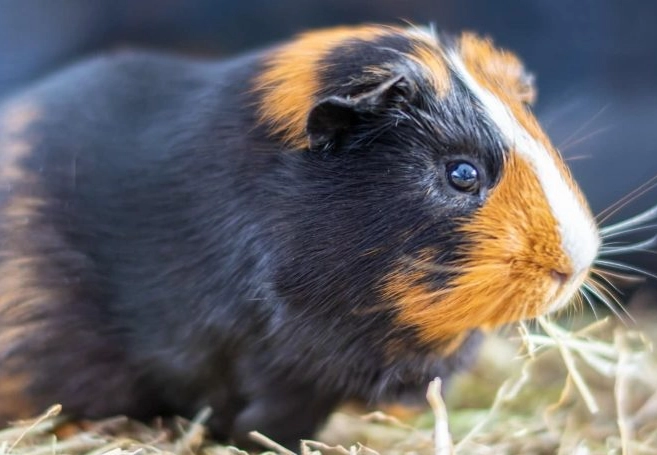
Housing and Environment: More Than Just a Cage
Stress kills, slowly or quickly. A guinea pig's home is their entire world.
- Space is Non-Negotiable: The RSPCA and other welfare organizations have long advocated for much larger minimums than pet stores sell. For two pigs, 8-10 square feet is an absolute minimum, with 10-12+ being ideal. Cramped space leads to stress, boredom, conflict, and obesity.
- Companionship: Guinea pigs are herd animals. Solitary life is profoundly stressful. A lone pig is often a depressed, less active pig. Getting a same-sex pair or a neutered pair is not a luxury; it's a core welfare requirement that positively impacts mental health and, by extension, physical health. The PDSA strongly emphasizes this.
- Cleanliness: A clean cage prevents ammonia buildup from urine (bad for respiratory systems), deters flies, and reduces bacterial load. Spot-clean daily, full clean weekly.
- Safety: No wire floors (cause painful bumblefoot), secure from other pets, kept in a stable temperature range (65-75°F / 18-24°C), away from drafts and direct sun.
Preventative Veterinary Care: The Lifespan Insurance
This is where many owners get tripped up. Guinea pigs are masters at hiding illness—a survival instinct in the wild. By the time they look sick, they're often very sick.
- Find an Exotics/Small Mammal Vet Before You Need One: Not all vets are experienced with guinea pigs. This is crucial. Establish a relationship.
- Annual Check-ups: Even for a seemingly healthy pig. A vet can detect subtle weight loss, listen to heart and lungs, check teeth (often requiring a special tool), and feel for lumps.
- Know the Common Killers: Be hyper-aware of signs for respiratory infections (sneezing, crusty eyes, labored breathing), urinary problems (squeaking while urinating, blood), and GI stasis (not eating, small or no poops). A 12-hour refusal of food is a veterinary emergency.
I learned the vet lesson the hard way. My first pig, Peanut, seemed a little quiet one evening. By morning, he was gone. The vet suspected a sudden underlying issue. The guilt was immense. Now, with my current pigs, even a slight change in behavior prompts a call to my exotics vet. It's not paranoia; it's proactive care that has directly extended their lives.
So, when you ask "how long do guinea pigs live," you're really asking about a combination of these factors. The guinea pig lifespan is a collaboration between nature and nurture.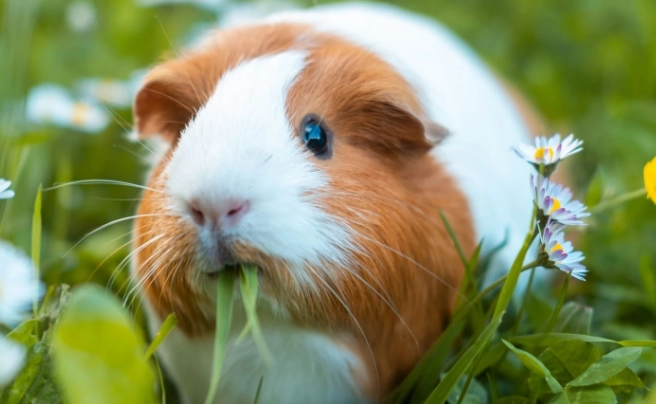
The Step-by-Step Longevity Plan: Actions to Add Years
Okay, theory is good, but what do you actually do? Let's get practical. Think of this as your maintenance schedule for a long-lived companion.
Daily Rituals (Non-Negotiable)
- Food & Water Check: Refill hay (pile it high!), offer fresh veggies, check water bottles/bowls for function and cleanliness.
- Observe: Spend 5 minutes just watching. Are they eating? Pooping normally? Moving freely? Wheeking? This baseline knowledge is your early warning system.
- Social Time: Interaction, even just sitting with them during floor time, reduces stress.
- Spot Clean: Remove wet patches and obvious poop piles.
Weekly Tasks
- Full Cage Clean: Replace all bedding, scrub the base with a vinegar/water solution, wash hideys and food bowls.
- Weigh-In: Use a digital kitchen scale. Weight loss is the #1 early sign of illness. Record it. A loss of 50g or more in an adult pig warrants a vet call.
- Grooming: Short-hairs: a quick brush. Long-hairs: thorough detangling. Nail check for all.
Monthly & Quarterly Focus
- Health Audit: Feel their body for any lumps, bumps, or scabs. Check eyes, nose, ears, and bottom for cleanliness.
- Enrichment Refresh: Swap out toys, rearrange the cage layout (they love exploring new setups!), introduce new cardboard tunnels.
- Diet Review: Are you in a veggie rut? Research and try one new safe vegetable.
Annual Must-Do
- Vet Check-up: Even if they seem perfect. This is your lifespan insurance premium.
Sticking to this plan systematically addresses the major factors influencing guinea pig life expectancy. It turns hope into habit.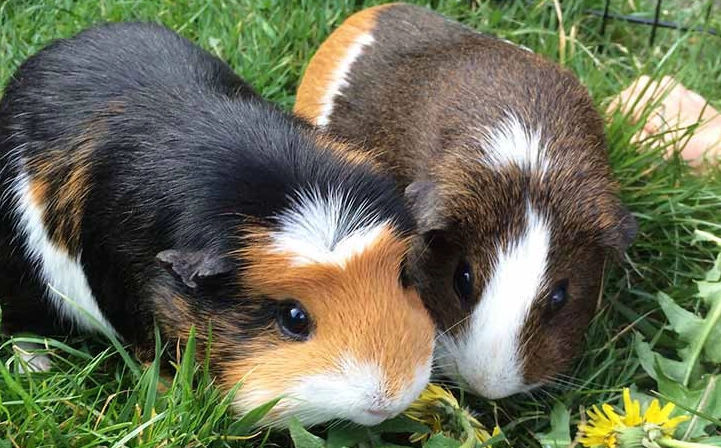
Pro Tip: Keep a simple "Piggy Log" notebook or digital note. Track weight weekly, note vet visits, record when you introduced a new food, and jot down any weird behaviors. This is invaluable information for your vet and helps you spot patterns.
Beyond the Average: The Senior Guinea Pig (Ages 6+)
If you're doing things right, you'll be faced with a wonderful "problem": a senior citizen. Caring for an older guinea pig is a special phase that requires adjustments. Their needs change, and your care should too to maintain their quality of life throughout their extended guinea pig lifespan.
You might notice they sleep more, move a little slower, and are less keen on ramps. Arthritis is common. Here's how to adapt:
- Diet Tweaks: Softer hay (orchard grass or 3rd cut timothy) might be easier on worn teeth. You can slightly dampen pellets to make a mash if chewing is hard. Ensure Vitamin C intake remains consistent.
- Accessibility: Use low-entry hideys. Cover slippery floors with extra fleece or towels. Ensure food and water are easily reachable without climbing.
- Comfort: Provide extra soft, warm bedding. Snuggle sacks are great. Keep their environment draft-free and at a stable temperature.
- Vet Visits: May need to become biannual. Senior pigs are more prone to tumors, kidney issues, and heart disease. Early detection is everything.
The goal isn't just to keep them alive, but to keep them comfortable, pain-free, and engaged.
Your Burning Questions Answered (FAQs)
According to the Guinness World Records, the oldest guinea pig on record was named Snowball from the UK, who lived to be 14 years and 10.5 months old. That's an insane outlier, like a human living to 130. It shows the extreme upper limit of their biology, but it's not a realistic expectation. A more common "exceptional" age is 8-9 years with top-tier care.
There's no strong, conclusive evidence that one sex inherently lives longer than the other. Both can reach old age. Longevity depends far more on the care factors we've discussed than on gender. Some owners anecdotally claim females live longer, but this isn't backed by broad data.
Not in the dramatic, immediate sense of dropping dead. But loneliness causes chronic, severe stress. Stress suppresses the immune system, leading to greater susceptibility to illness. A lonely, depressed pig may eat less, move less, and simply "give up," leading to a significantly shortened guinea pig lifespan. So indirectly, yes, poor social welfare can be a death sentence. Always house them in pairs or groups.
He's entering his senior years, but not necessarily "old" in a frail sense. A well-cared-for 5-year-old can have several more active, healthy years ahead. This is the time to be extra vigilant with vet check-ups and start considering the comfort adjustments for seniors mentioned above.
- Gastrointestinal (GI) Stasis: Often diet-related. The gut slows down, gas builds up, and it's fatal without immediate, aggressive veterinary treatment.
- Respiratory Infections: Pneumonia. Can be sparked by drafts, ammonia from dirty bedding, or an underlying virus.
- Untreated Dental Disease: Overgrown teeth or spurs prevent eating, leading to starvation and GI issues.
- Trauma/Accidents: Falls, attacks from other pets, improper handling.
- Underlying Genetic or Organ Issues: Heart failure, kidney disease, tumors that progress unnoticed.
The Final Word: It's About Quality and Quantity
When we obsess over the number—"How long do guinea pigs live?"—we can miss the point. The goal isn't just to maximize years on a calendar; it's to maximize life within those years. A miserable pig living to 8 is not a success. A joyful, active, curious pig living a full 6 years is a resounding victory.
The beauty is that the care that creates quality also creates quantity. The spacious cage, the constant hay, the fresh veggies, the companionship, the vigilant observation—these things that make their days happy are the very same things that stack the days high.
So, what's the real answer on guinea pig lifespan? It's a range, a potential. It's 5 to 7 years on average, but with knowledge, dedication, and a good exotics vet in your contacts, the upper end of that range—and beyond—is firmly within your reach. Your care is the single biggest variable outside of genetics. That's a huge responsibility, but also an incredible opportunity. You get to write a significant part of their story. Make it a long and wonderful one.
Now, go check on your pig's hay rack. I know I'm going to.
Related Articles