Cat Tail Meanings: The Complete Guide to Decoding Feline Body Language
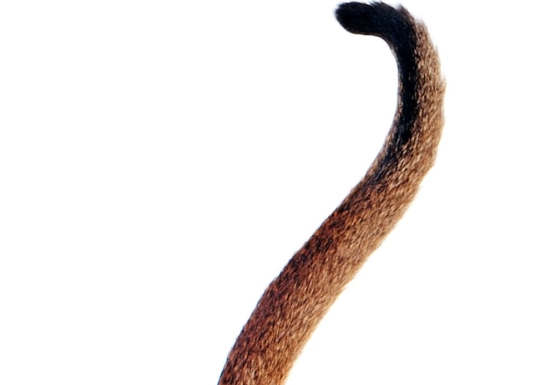
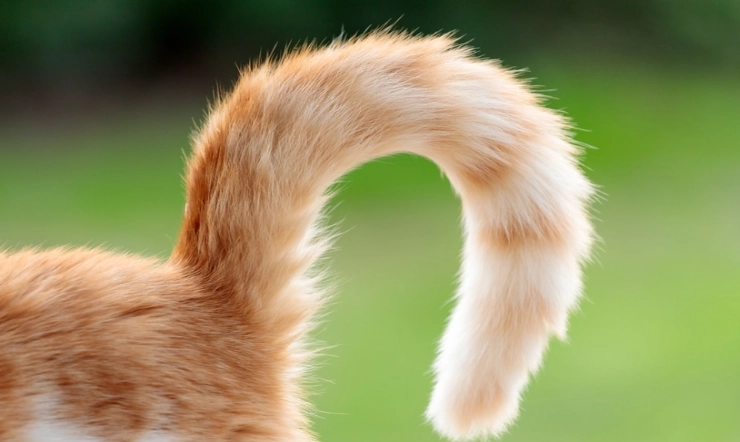
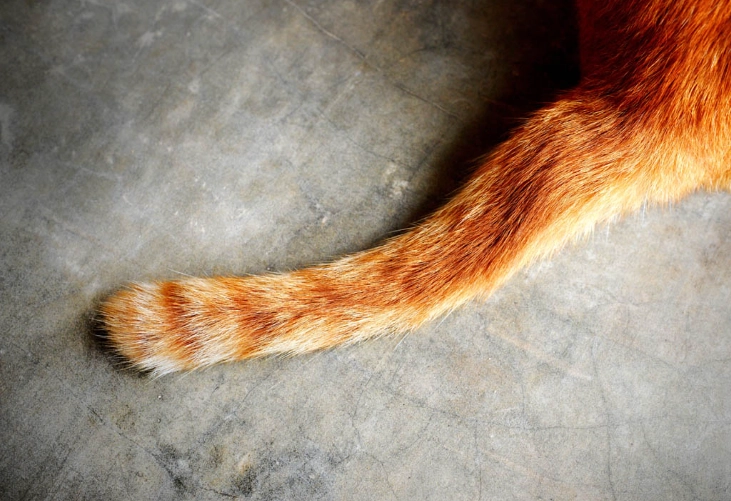
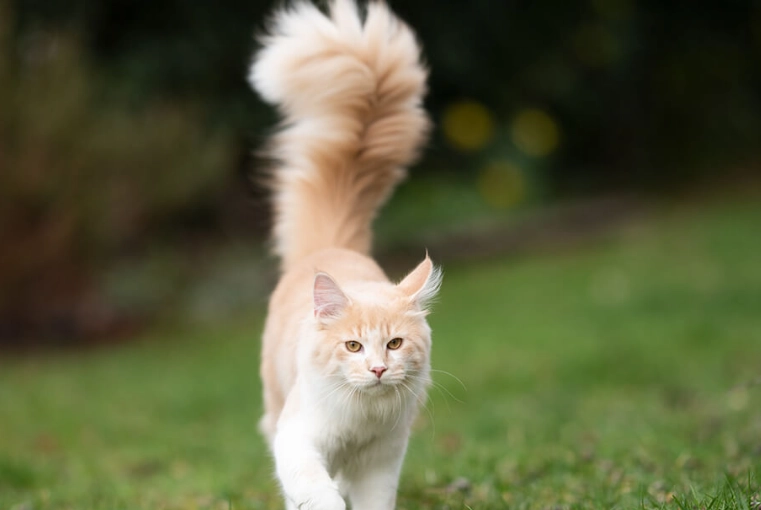
Let's be honest. You've probably spent more time than you'd like to admit staring at your cat, wondering what on earth is going on in that fuzzy little head. The meows are one thing, but the tail? That's a whole different story. It's like a furry, expressive semaphore flag you just can't quite read. I remember the first time my cat, Luna, greeted me with her tail straight up, the very tip crooked like a question mark. I had no idea if she was happy, curious, or about to trip me. Turns out, that's one of the friendliest signals in the book. I felt like I'd missed a crucial chapter in our friendship. Understanding cat tail meanings isn't just a party trick. It's the key to reducing stress (for both of you), preventing misunderstandings that lead to scratches, and building a bond that goes beyond just providing food and a warm lap. It's about listening to what they're saying without words. Alright, let's get into the nitty-gritty. Here’s where we translate the most common tail signals you'll see. Remember, context is everything. The same tail position in different situations can mean different things. But this is your essential field guide. This is the feline equivalent of a cheerful wave. When your cat approaches you, another cat, or even something interesting with their tail held high and vertical, it's a sign of confidence, happiness, and a friendly greeting. The tail might be perfectly straight or have that characteristic little hook at the end. If the tail is quivering while upright, that's often peak excitement and affection. Some people call it the "quiver of joy." It's common when they see you, especially if you're the one who feeds them. My theory? It's pure, unadulterated "Hello, my favorite human!" This is a personal favorite. The tail is up, but the top few inches curl over like a shepherd's crook or a question mark. This posture is deeply curious and playful. Your cat is in a good mood and interested in their surroundings or in you. It's an invitation. They might be asking, "What are you doing?" or "Want to play?" This is a fantastic time to engage with a toy or offer some gentle pets. It's one of the most positive and engaging cat tail meanings you can observe. Here's where things get serious. A tail held low to the ground, or worse, tucked completely between the legs and against the belly, signals fear, submission, or anxiety. Your cat is feeling threatened, stressed, or unwell. I once made the mistake of forcing attention on Luna when her tail was tucked during a thunderstorm. Let's just say I learned my lesson about respecting this signal. It's not the time for cuddles; it's the time to provide a safe, quiet hiding place and back off. This is the most dramatic of all cat tail meanings. The fur stands on end (piloerection), making the tail look like a bottlebrush or a pipe cleaner. This is a fear-aggression response. Your cat is trying to look bigger and more intimidating to a perceived threat. The body is usually arched, and the cat may be sideways-on to the threat. It's a clear "Back off!" signal. The emotion is often a mix of sheer terror and defensive aggression. Do not try to pet or comfort a cat in this state. Give them space and time to calm down. This is where people get most confused. A slow, deliberate swish from side to side is very different from a furious, rapid thrash. Luna does the fast thump when I'm working at my desk for too long and she decides it's unequivocally playtime. It's less of a request and more of a demand. When a cat sits or lies down and wraps their tail neatly around their body, it's generally a sign of contentment and relaxation. They feel secure and comfortable. They might also wrap their tail around another cat, a human limb, or even themselves while sleeping as a form of self-comfort and warmth. Some behaviorists also interpret it as a polite way for a cat to "contain" themselves and take up less space, signaling non-aggression. If you take away one thing, let it be this: Never interpret a cat's tail in isolation. You'll get it wrong. The tail is one piece of a complex puzzle. To truly understand cat tail meanings, you have to look at the whole animal. A puffed tail with an arched back and flattened ears means sheer terror. A puffed tail with a confident stance and direct stare might be more offensive aggression. A low tail with dilated pupils and tense muscles means fear. A low tail with relaxed body posture might just mean they're walking carefully. The Cornell Feline Health Center emphasizes that feline communication is multimodal. Relying on a single signal can lead to misinterpretation and strained relationships. Some situations and breeds add twists to the standard cat tail language. Just the very tip of the tail twitching, while the rest is still? This is often a sign of mild interest or concentration. It's less intense than a full swish. They might be listening to a faint sound or watching something mildly intriguing. It's a neutral to slightly positive signal. Cats with little to no tails, like the Manx or various Bobtail breeds, obviously can't use their tails the same way. They compensate heavily with other body language—ears, eyes, posture, and vocalizations become even more important. Owners of these cats become experts at reading subtle shifts in posture and ear position. This is the biggest misconception, likely borrowed from our understanding of dogs. In cats, a wagging or swishing tail is rarely a sign of happiness. More often, it indicates focus or irritation. Assuming a tail swish means "pet me more" is a classic human error that leads to scratched hands. Let's apply this. What do common cat tail meanings look like in real life? Scenario 1: You come home from work. Your cat runs to the door, tail held high and quivering. They rub against your legs. Translation: "I'm thrilled you're back! I missed you! This is my human!" Scenario 2: You're petting your cat on the sofa. They are purring, eyes half-closed. Suddenly, the tail starts a low, rhythmic thump on the cushion. The ears might twitch back slightly. Translation: "I am becoming over-stimulated. The petting that felt good two minutes ago is now too much. I am giving you a polite warning to stop soon." This is the critical moment to heed the warning. Scenario 3: A strange dog walks past the window. Your cat's back arches, fur stands up (including the tail into a bottlebrush), they hiss, and their body turns sideways. Translation: "I am terrified of that large creature! I am making myself look huge and scary so it will go away! Do not come near me!" Scenario 4: Your cat is staring at a bird feeder. Their body is low and still, hindquarters slightly wiggling. Their tail is slowly, smoothly swishing side-to-side behind them. Translation: "Prey drive engaged. I am focused. I am calculating the pounce. Do not disturb." Let's tackle some of the specific questions people type into Google. These are the real head-scratchers. So, where do you start? Don't try to memorize everything at once. Just start observing. Spend five minutes a day just watching your cat. Don't interact, just watch. Notice what their tail does when they look out the window, when they eat, when they stretch, when they nap. Establish their personal "baseline." Then, you'll start to notice the deviations that signal a change in mood. The goal isn't to become a mind-reader, but to become a better listener. Your cat is talking to you all day long with their tail, ears, eyes, and body. Learning this language is the single most effective way to deepen your bond, prevent conflict, and ensure your cat feels safe, understood, and loved in your home. It turns those confusing quirks into a comprehensible conversation. That question mark tail isn't a mystery anymore—it's an invitation to connect. And honestly, isn't that why we have cats in the first place?Quick Guide
The Master List: Decoding Every Major Tail Position and Movement
The Straight-Up Tail
The Question Mark or Hook Tail
The Low or Tucked Tail
The Puffed-Up Tail (Bottlebrush Tail)
The Thumping or Swishing Tail
The Wrapped Tail
Tail Position/Movement
Likely Emotion/Intent
What You Should Do
Straight Up, Quivering
Extreme happiness, friendly greeting
Greet back! Offer pets or play.
Question Mark/Hook
Curious, playful, friendly
Engage in interaction. Great time for play.
Low to Ground
Insecure, anxious, unwell
Provide space, check for stressors or illness.
Tucked Under
Fearful, submissive, in pain
Do not approach. Create a safe escape route.
Puffed Up (Bottlebrush)
Fearful, aggressive, threatened
Remove the threat (if possible) and give space. Do not intervene.
Slow Swishing
Focused, hunting, concentrating
Let them focus. Might be a good time to play with a wand toy.
Fast Thrashing
Agitated, annoyed, over-stimulated
Stop whatever you're doing (petting, etc.). Give them a break.
Wrapped Around Body
Content, relaxed, self-contained
Enjoy the calm. They are at peace.
It's Never Just the Tail: Reading the Whole Cat
The Key Companions to Tail Language
Special Cases and Common Misconceptions
What Does a Twitching Tail Tip Mean?
Manx and Bobtail Cats
The Myth of the "Happy" Wag
Your Cat's Tail in Action: Everyday Scenarios Decoded
Answers to Your Burning Questions About Cat Tail Meanings
Putting It All Together: Becoming Fluent in Feline