Guinea Pig Lifespan: How Long They Live & How to Extend It
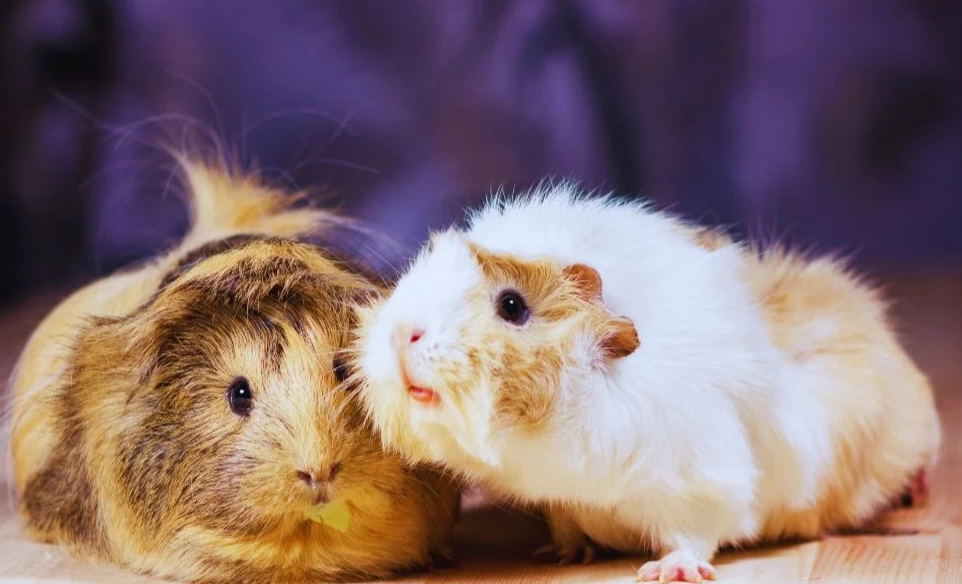
So, you're thinking about getting a guinea pig, or maybe you already have a little furball zooming around. One of the first questions that pops up is, "How long do guinea pigs live?" It's a big deal. You're committing to a little life. The short, honest answer is 5 to 7 years on average. But that's just the headline. My own guinea pig, Ginger, a feisty Abyssinian, made it to a ripe old 8 years. I've also seen heartbreak at 3 years due to preventable issues. The number isn't fixed. It's a range determined by a mix of genetics, care, and a bit of luck. Let's cut through the generic advice and talk about what *actually* influences those years. Forget the "2-4 years" you might have heard decades ago. Modern pet care knowledge has shifted that. A well-cared-for guinea pig today has a solid shot at 5-7 years. According to veterinary resources like the Merck Veterinary Manual, this is the standard expectation for a healthy pet under good conditions. Then there are the outliers. The Guinness World Record holder was a guinea pig named Snowball from the UK who lived to be 14 years and 10.5 months old. That's exceptional, like a human living past 110. More commonly, you'll hear stories of piggies reaching 8 or 9 years. My Ginger was one of them. Her secret? Probably a combination of robust genes, an obsessive owner (me) with a hay obsession, and a lifelong friend named Cinnamon. Think of lifespan like a pie chart. Genetics gives you the size of the slice. But your daily care decisions determine if that slice is fresh and full, or stale and crumbling. You can't change this, but you should know it. Some breeds, like the sturdy American Shorthair, often have fewer inherent health problems. Others, like the gorgeous Skinny Pig (hairless), require meticulous temperature control to avoid stress. There's no definitive "longest-living breed," but simpler genetic lines tend to be hardier. Where you get your guinea pig matters. A responsible breeder focusing on health over fluff, or a rescue that has vet-checked its animals, gives you a better starting hand than a pet store where origins are murky. This is where most people get it subtly wrong. It's not just about "feeding them." It's about feeding them correctly. The classic pet store cage is a tragedy for longevity. A cramped, solitary guinea pig is a stressed guinea pig. Chronic stress = a suppressed immune system = sickness. "It's just a guinea pig" is the mindset that shortens lifespans. Find an exotic vet who knows guinea pigs. Annual check-ups are crucial. They can spot subtle signs of dental disease (overgrown teeth are a common killer), heart issues, or tumors early. Be financially prepared; vet bills are part of responsible ownership. A bored guinea pig is an unhealthy one. Floor time outside the cage in a safe, guinea-pig-proofed room is essential for physical health and mental well-being. Provide tunnels, hideouts, and foraging opportunities (hide hay in paper bags or toilet roll tubes). A stimulated mind is a healthier mind. Let's translate those factors into a simple daily/weekly checklist. This is the stuff that adds years. Daily: Weekly: Annually: Senior Care (5+ years): As they age, their needs shift. You might notice they move less, sleep more, or have thinner fur. Make food and water easily accessible (low-sided dishes). Add extra-soft bedding. Consider switching to softer hay like orchard grass if timothy seems tough. Increase vet visits to twice a year. The goal is comfort and quality of life. What is the single biggest mistake people make that shortens a guinea pig's life? The most common, yet rarely discussed, mistake is feeding too many commercial treats and sugary vegetables like carrots and fruit. These cause obesity and dental issues, which are silent killers. A diet of unlimited hay, measured pellets, and primarily leafy greens is non-negotiable for a long life. Do guinea pigs need a companion to live longer? Absolutely. Loneliness is a profound stressor for these herd animals. A solitary guinea pig is prone to depression, lethargy, and a weakened immune system. A compatible same-sex companion provides mental stimulation, comfort, and encourages natural behaviors, directly contributing to better overall health and longevity. How can I tell if my guinea pig is entering its senior years, and what care changes are needed? Signs include less active movement, thinner or coarser fur, weight loss despite eating, and sleeping more. Senior care shifts focus: provide easier access to food and water (low-sided dishes), add extra soft bedding for arthritic joints, and increase veterinary check-ups to twice a year to catch age-related issues like kidney problems or tumors early. Is a bigger cage really that important for lifespan? It's critical. The minimum 7.5 sq ft cage is just that—a minimum for survival, not thriving. Chronic stress from cramped quarters suppresses the immune system. A cage of 10.5 sq ft or larger allows for vital running space ("popcorning"), reduces territorial disputes, and encourages exercise, directly combating obesity and related diseases.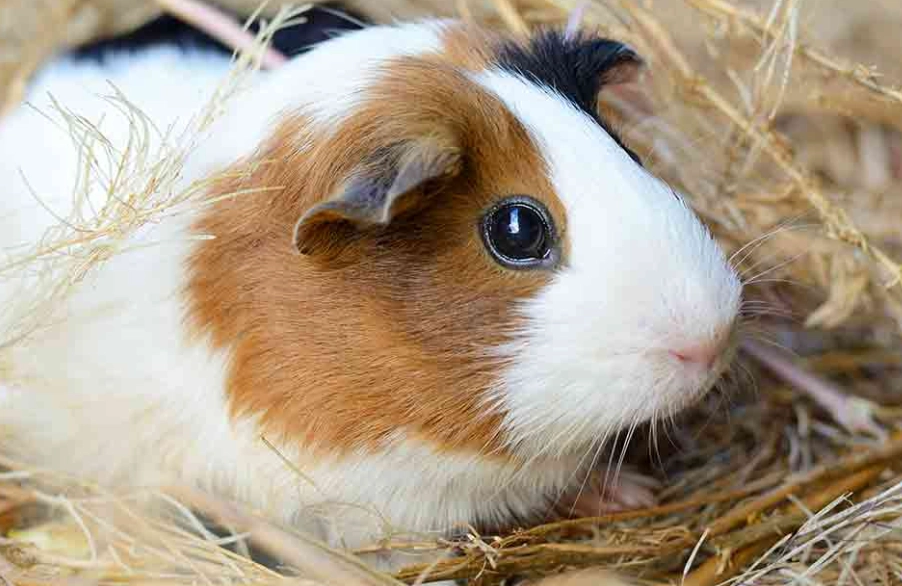
What's Inside This Guide
The Lifespan Reality: Averages and Records
What Really Determines How Long Your Guinea Pig Lives
1. Breed and Genetics: The Starting Hand
2. Diet: The Foundation of Everything
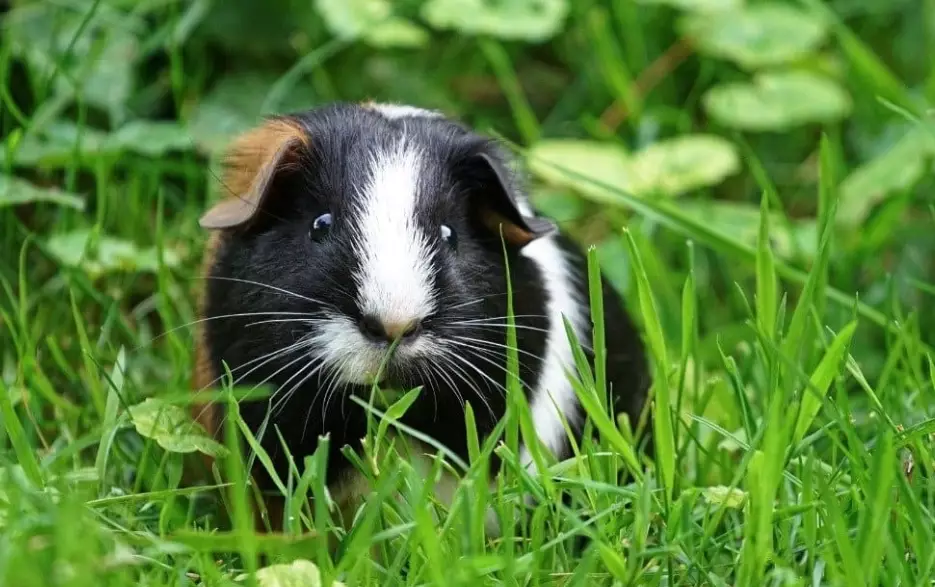
3. Housing and Environment: Space is Health
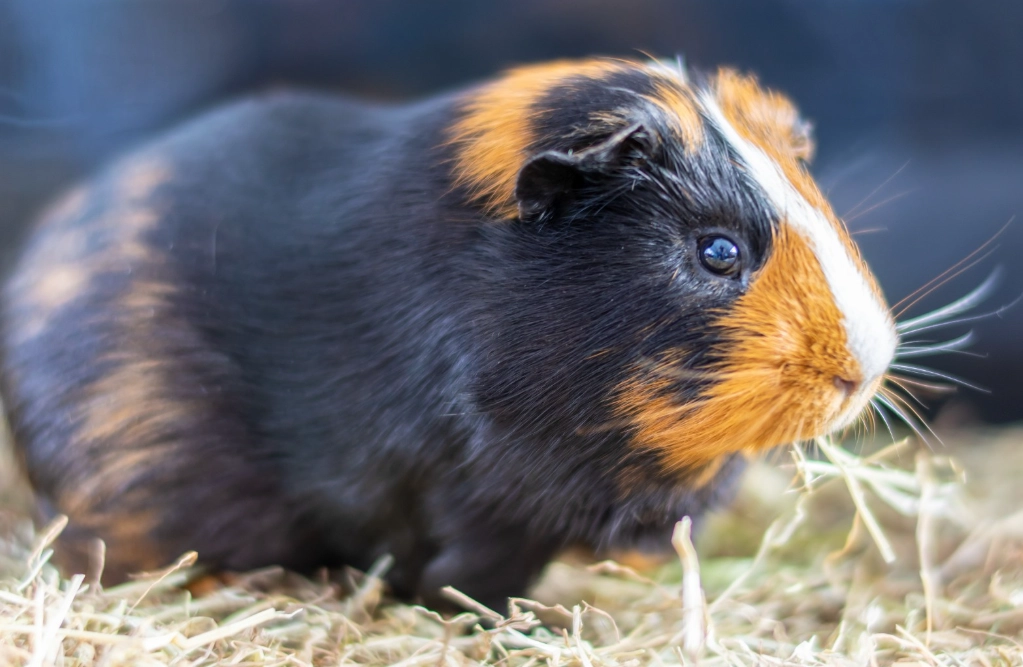
4. Veterinary Care: Prevention is Cheaper Than Cure
5. Exercise and Mental Health
Factor
Shortens Lifespan
Extends Lifespan
Diet
Low hay, sugary treats, poor quality pellets
Unlimited hay, measured pellets, daily fresh veggies (high in Vitamin C)
Housing
Small cage (
Large cage (10.5+ sq ft), compatible companion, clean environment
Healthcare
No vet visits, ignoring signs of illness
Annual exotic vet check-ups, immediate care for health changes
Exercise
Confined to cage 24/7, no enrichment
Daily supervised floor time, tunnels, hideouts, foraging toys
Actionable Steps to Help Your Guinea Pig Live Longer
Your Guinea Pig Longevity Questions, Answered
 So, how long do guinea pigs live? It's not a simple number. It's a promise you make through daily choices. With proper diet, spacious and clean housing, companionship, proactive veterinary care, and plenty of love, your guinea pig has the best possible chance of reaching—and even surpassing—that 5-7 year average, filling your home with years of happy wheeks and popcorns.