Can Dogs Eat Eggs? Safety, Benefits, and Feeding Guide
Yes, dogs can eat eggs. I've fed eggs to my own dogs for years, but it's not as simple as cracking one into their bowl. Let's cut through the noise and get into the details. Safety first. Eggs are generally safe for dogs, but there's a catch. Raw eggs can carry salmonella, which might not harm your dog directly but can spread to humans. More importantly, raw egg whites contain avidin, an enzyme that interferes with biotin absorption. Biotin is crucial for skin and coat health. Cooking eggs solves both issues. Scrambled, boiled, or poached—heat neutralizes avidin and kills bacteria. I learned this the hard way when my friend's dog got an upset stomach from raw eggs. The American Veterinary Medical Association advises against raw eggs due to these risks. Some folks in the raw food community swear by raw eggs, claiming they're more natural. I get it, but after talking to vets and seeing cases of diarrhea, I stick to cooked. It's a small hassle for peace of mind. Eggshells are tricky. They're packed with calcium, but whole shells can choke your dog or cause intestinal blockages. Grind them into a fine powder if you want to use them. I sprinkle a pinch on my dog's food once a week, but it's optional. Eggs aren't just safe; they're beneficial. Think of them as a multivitamin in a shell. Here's a breakdown: But balance is key. Eggs shouldn't replace a balanced dog food. They're a supplement. Overdo it, and you risk weight gain or nutrient imbalances. A study from the Journal of Animal Physiology and Animal Nutrition highlights eggs as a high-quality protein source, but moderation is emphasized. My Take: Eggs are like a bonus snack. They add variety and nutrition, but don't go overboard. I give Luna one egg twice a week, and she loves it. Let's get practical. Feeding eggs isn't rocket science, but a few steps ensure safety. Organic or free-range eggs might have better nutrient profiles, but any store-bought eggs work. Avoid seasoned or salted eggs—plain is best. I buy regular eggs; my dogs don't care about the label. Boiling is easiest. Hard-boil an egg, peel it, and chop it into small pieces. Scrambling without oil or butter works too. I often scramble an egg in a non-stick pan for a quick treat. Here's a quick table for cooking methods: Size matters. A Chihuahua doesn't need a whole egg. Use this as a guideline: I feed Luna, who's 40 lbs, one egg twice a week. More than that, and she gets picky with her regular food. Everyone makes mistakes, but here are a few I've spotted that aren't often discussed. Mistake 1: Feeding Eggs Daily. It's tempting because dogs love them, but daily eggs can lead to biotin deficiency or obesity. I saw a neighbor's dog gain weight fast from too many eggs. Stick to a couple of times a week. Mistake 2: Adding Salt or Seasonings. Dogs don't need extra salt. It can cause dehydration or kidney issues. I once added a dash of salt by habit—Luna drank water for an hour straight. Never again. Mistake 3: Ignoring Allergies. Eggs are uncommon allergens, but it happens. Signs include itching or digestive upset. If your dog shows these, stop and consult a vet. My friend's Pug had an allergy; it took weeks to figure out eggs were the culprit. Mistake 4: Assuming Raw Is Better. The raw food trend is big, but for eggs, cooking is safer. Raw eggs might contain pathogens that even healthy dogs can spread. I've had debates with raw feeders, but the science leans toward cooked.What You'll Find in This Guide
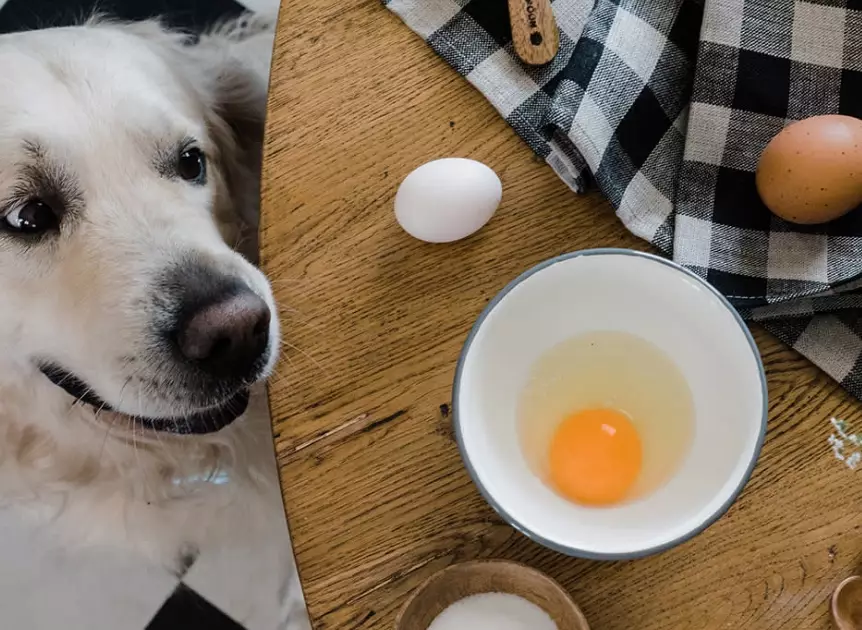
Are Eggs Actually Safe for Dogs?
What About Eggshells?
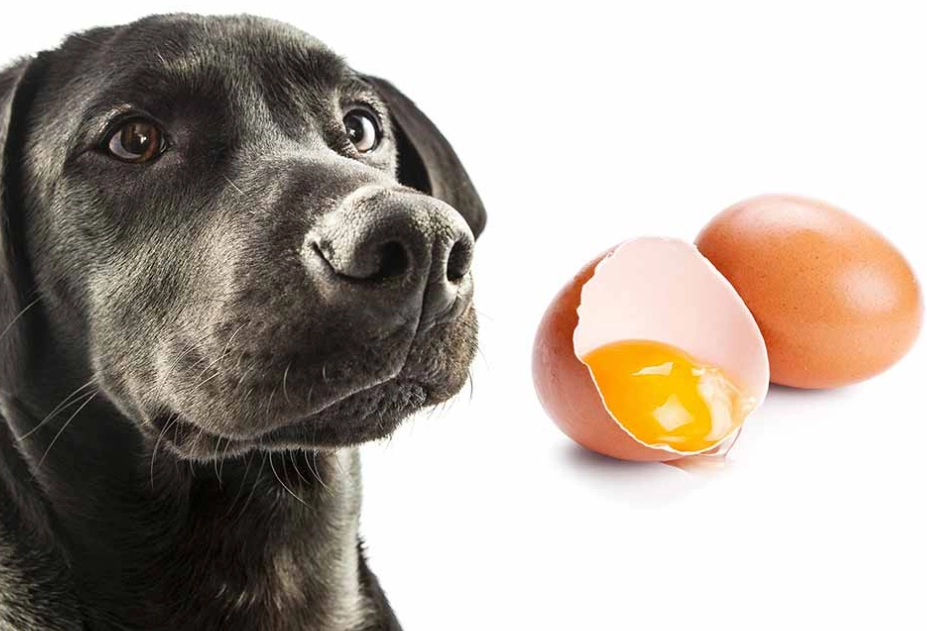
Why Eggs Are a Nutritional Powerhouse
How to Feed Eggs to Your Dog: Step-by-Step
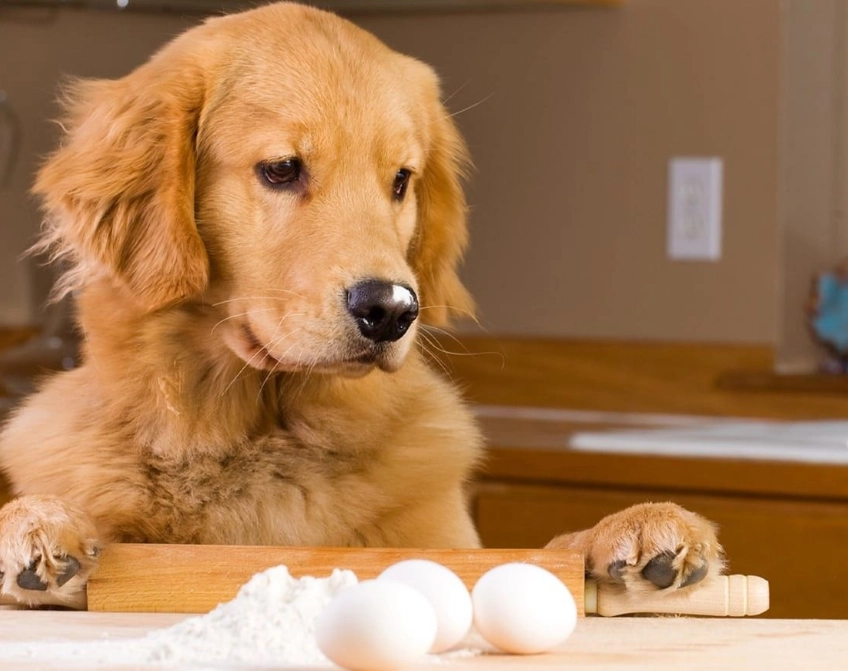
Step 1: Choose the Right Eggs
Step 2: Cook Them Properly
Method
How to Do It
Best For
Boiled
Boil for 10 minutes, cool, peel, and chop
Easy storage and portion control
Scrambled
Cook in a pan without additives, stir until firm
Quick preparation
Poached
Simmer in water until white is set
Minimal fat content
Step 3: Portion Control
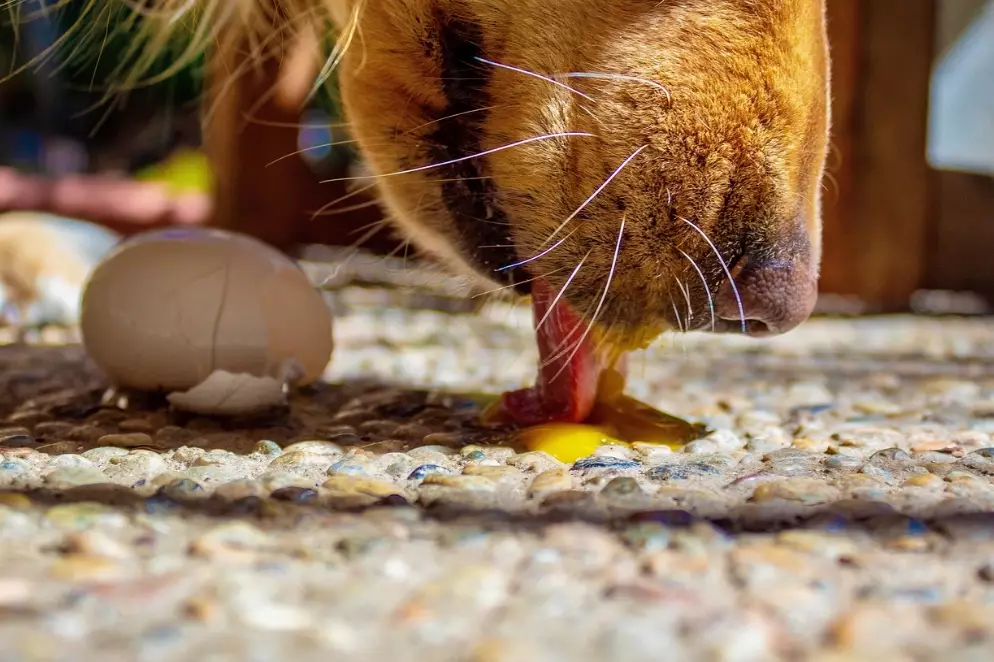
Common Mistakes I've Seen Owners Make
Your Top Questions Answered
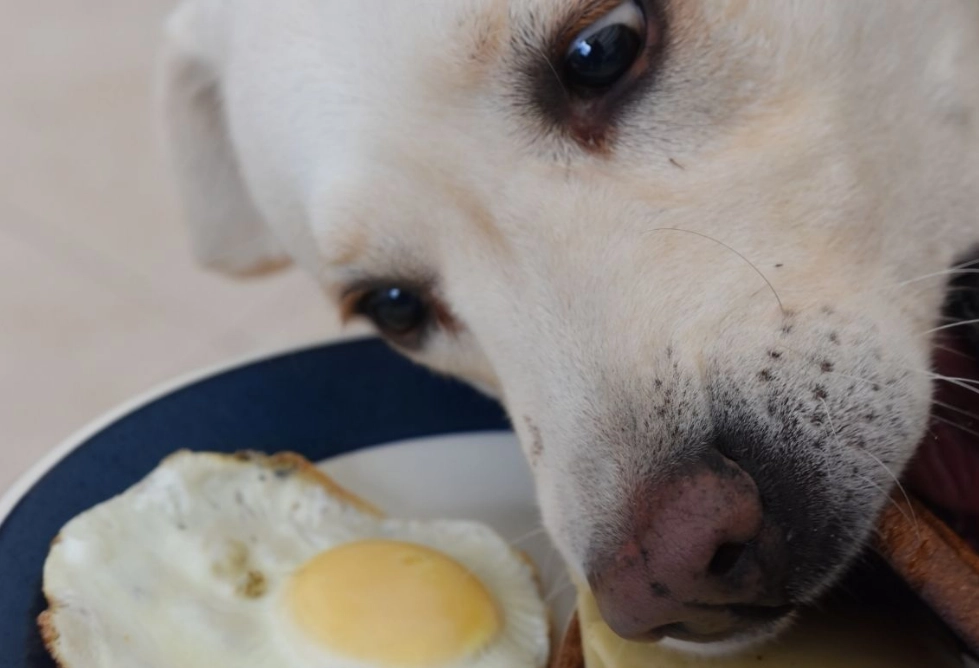 Feeding eggs to your dog can be a healthy choice if done right. Start slow, cook them, and keep an eye on portions. My dogs thrive on this routine, and yours might too. Remember, every dog is different—what works for Luna might not work for yours. Experiment carefully, and enjoy those wagging tails.