FIP in Cats: Diagnosis, Treatment, and Survival Guide
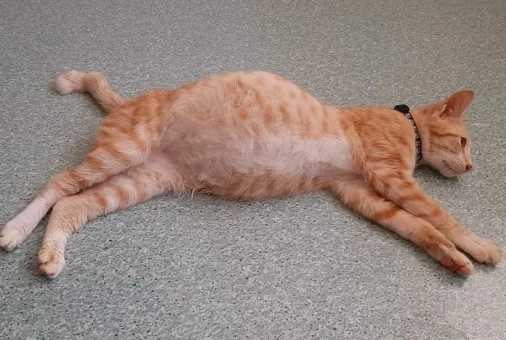
I remember the day my vet said the words "feline infectious peritonitis." My cat, Jasper, was just two years old. He'd been listless for a week, his belly was getting round, and he'd stopped eating his favorite treats. The internet told me FIP was a death sentence. My vet's face confirmed it. That was five years ago. Jasper is asleep on my desk as I write this, perfectly healthy. The landscape for FIP has changed completely, but most cat owners—and tragically, many vets—are still operating on outdated information. This isn't just another article rehashing basic facts. This is the guide I desperately needed when Jasper got sick. We'll cut through the confusion, talk about the real-world logistics of treatment, and give you a clear path forward based on what actually works in 2024. Let's clear something up first. Feline Infectious Peritonitis is not a distinct virus you can catch. It's a cruel twist of fate. Most cats carry a harmless coronavirus in their guts. In a small percentage of cats, this virus mutates inside their body. The mutated virus then triggers a massive, destructive inflammatory response. That's FIP. The cat's own immune system essentially goes to war with itself. This is why it's so insidious. You can't "catch" FIP from another cat with FIP. You catch the harmless coronavirus, which then might—or might not—mutate. Stress is a huge trigger. Kittens from crowded shelters, cats recovering from another illness, or those facing a big life change (like a new home) are at higher risk. It's often a disease of the young, striking cats under two, but it can hit older cats too. Key Takeaway: FIP is an immune-mediated disease triggered by a mutated feline coronavirus. It's not directly contagious in its deadly form. The symptoms are sneaky because they mimic so many other things. There are two main forms, and cats can show signs of both. This is what Jasper had. Fluid builds up in the abdomen or chest. You might notice: This is trickier. No fluid, but inflammation attacks organs like the eyes, brain, liver, or kidneys. Signs include: If your cat has a fever of unknown origin that lasts more than a day or two, FIP should be on the differential list. Don't let a vet brush it off. Here's the first major hurdle. There is no single, perfect, in-clinic test for FIP. The old "gold standard" was a tissue biopsy, which is invasive and often impractical for a sick cat. Today, diagnosis is based on a constellation of evidence. Your vet will likely run these tests: Many vets, trained in the era of FIP as a hopeless disease, may hesitate to order the full battery of tests. You may need to advocate. Say: "I understand it's complex. Can we please run the CBC, chemistry, and a coronavirus titer to start building a picture?" If fluid is present, insist on sampling it for a Rivalta test and PCR. The Big Mistake: Waiting for 100% certainty. In a young cat with consistent symptoms (fever, high globulins, fluid), a presumptive diagnosis of FIP is often correct. Waiting weeks for every test result can waste the critical early treatment window. Sometimes, you have to start treatment based on a strong presumption. This is the part that changed everything. For decades, treatment was steroids and palliative care. Survival was unheard of. Then came the research, most notably from Dr. Niels Pedersen at UC Davis, showing that an antiviral compound called GS-441524 could cure FIP. Let me be blunt: GS-441524 (often just called "GS") is not a legally approved veterinary drug for FIP in most countries, including the US and UK. The patent holder did not pursue licensing for cats. This has created a gray market where owners must source the medication themselves from overseas suppliers or compounding pharmacies. Despite this, its efficacy is undeniable. It's a nucleoside analog that inhibits viral replication. You inject it subcutaneously (or use pills, which are newer) once a day for at least 84 days. Here's the reality of starting treatment: Let's walk through Jasper's 84 days, because knowing what to expect is half the battle. Weeks 1-4 (The Crisis Phase): The first shot is the hardest. Within 48 hours, Jasper's fever broke. By day 5, he was nibbling food. The fluid in his belly took about 3 weeks to fully reabsorb. This period is intense. Daily shots, constant worry. Weight checks twice a week are vital for dose adjustments. Weeks 5-12 (The Stabilization Phase): He looked and acted like a normal cat. This is where the danger lies. You think, "He's cured! Why are we still doing this?" Because the virus hides in the eyes and nervous system. Stopping early is the single biggest reason for relapse. Your vet should run bloodwork at the 4-week and 8-week marks. You want to see the albumin rise and the globulins fall toward normal ranges. Observation Period (Day 85-174): The treatment stops, but the journey doesn't. You now enter a 12-week observation period. No medication, just monitoring. We weighed Jasper weekly and watched for any return of symptoms. This period is nerve-wracking but critical. Most relapses happen here, and if they do, you restart treatment from day 1. After 12 weeks of normal health post-treatment, your cat is considered cured. Jasper's bloodwork normalized by week 10. The last time I had to give him a shot was over 1,825 days ago. He's cured. How successful is GS-441524 treatment for FIP? The reported success rates for a full 12-week course are remarkably high, often cited between 80% to 95% for cats that are not in the terminal stages of the disease. However, this depends heavily on early diagnosis, correct dosing, and consistent administration. It's not a magic bullet; relapse is possible, especially if treatment is stopped prematurely or the dosage is incorrect. The key is sustained antiviral pressure over the entire treatment period. What's the biggest mistake owners make during FIP treatment? Stopping treatment too early because the cat 'looks better.' FIP is a systemic viral infection, and clinical improvement (like a fever dropping or appetite returning) happens long before the virus is fully cleared from the body. Stopping at 8 weeks instead of 12, or skipping the crucial 84-day observation period, drastically increases the risk of a relapse, which is often more aggressive and harder to treat than the initial episode. How much does it cost to treat a cat with FIP? The cost is significant and can be a major barrier. A full 12-week course of GS-441524, depending on the cat's weight, formulation (injectable vs. pills), and source, typically ranges from $3,000 to $8,000 USD. This does not include initial diagnostic tests (which can be $500-$1,500) or supportive care costs. While daunting, many owners find ways to manage through payment plans offered by some suppliers, fundraising, or pet insurance that may cover part of the cost if the policy was in place before diagnosis. Can a cat survive FIP without treatment? Historically, FIP was considered 100% fatal. The survival rate without antiviral treatment like GS-441524 remains effectively zero for the effusive (wet) form, with most cats succumbing within weeks. A tiny percentage of cats with the non-effusive (dry) form may enter a prolonged period of stagnation, but this is not a cure—the disease typically progresses eventually. Modern antiviral treatment has fundamentally changed this prognosis, making survival not just possible but probable with proper intervention. FIP is no longer an automatic death sentence. It's a brutal, expensive, and logistically challenging journey, but one that ends with a healthy cat more often than not. The key is knowledge, swift action, and commitment to the full treatment protocol. If you're reading this because you suspect FIP, take a deep breath. Connect with the support networks. Find a vet who will listen. It is possible to come out the other side. I know, because Jasper is purring beside me, a living testament to that fact.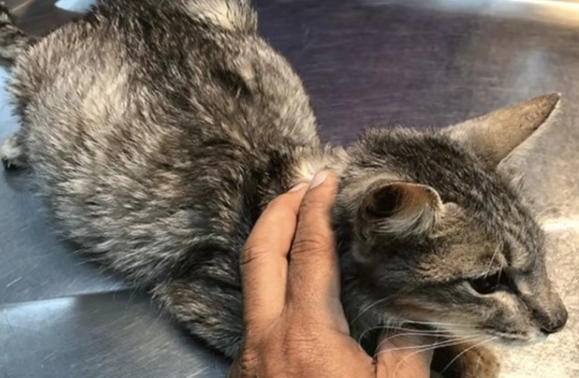
What You'll Find Here
What FIP Actually Is (And Isn't)
How to Spot the Signs of FIP
The "Wet" or Effusive Form
The "Dry" or Non-Effusive Form
The Frustrating Path to a Diagnosis
Test
What It Shows
The FIP Clue
Complete Blood Count (CBC) & Chemistry Panel
Overall health, organ function.
High globulin proteins, low albumin, low lymphocyte count (lymphopenia). A high A:G ratio is a classic, but not definitive, marker.
Feline Coronavirus Titer
Antibody levels to coronavirus.
A very high titer supports suspicion, but many healthy cats also have high titers. A low titer makes FIP less likely.
Rivalta Test (for wet FIP)
Simple fluid analysis.
A positive test on abdominal/chest fluid is strongly suggestive. It's a cheap, quick clue.
PCR Testing
Detects viral genetic material.
PCR on effusion fluid or a tissue sample (like from an affected eye) looking for mutated coronavirus is the closest thing to a confirmatory test we have now. Labs like the University of California, Davis offer this.
The Treatment Breakthrough: GS-441524
Navigating Treatment: A Step-by-Step Reality Check
Your Top FIP Questions, Answered