Canine Diarrhea: Causes, Home Care & When to Worry
You know the scene. That frantic 3 AM scratch at the door, the hurried stumble outside, and then... the unmistakable sound. Your dog has diarrhea. Again. It's messy, it's stressful, and your first instinct is to panic. Should you rush to the emergency vet? Is it something they ate? Can you just wait it out? Let's cut through the noise. Canine diarrhea is one of the most common issues pet owners face, but the advice out there is a minefield of old wives' tales and genuine danger. I've spent over a decade in veterinary clinics, and the number one mistake I see isn't neglect—it's well-intentioned but misguided action. This guide isn't just a list of causes; it's a decision-making framework for when your dog's gut is in revolt. Everyone jumps to "they got into the trash." And sure, dietary indiscretion—gobbling down rotten leftovers, a new treat, or your kid's dropped chicken nugget—is the top contender. But stopping your diagnosis there is like assuming every cough is a cold. You might miss the pneumonia. Think of the causes in layers. The simple, acute layer is what we just mentioned: sudden changes in diet, scavenging, food intolerance. This often leads to what we call "small bowel diarrhea," typically larger volume, softer, and may cause weight loss if chronic. Then you have the infectious layer. This includes: Here's a subtle point most owners miss: stress colitis. It's huge. A loud thunderstorm, a new pet in the house, a boarding stay, even a change in your work schedule can trigger inflammation in the colon. This usually presents as "large bowel diarrhea"—frequent, urgent, mucus-y stools, often with visible straining or bright red blood. People see the blood and panic (rightfully so), but the cause might be emotional, not physical illness. Pro Tip: Keep a simple "poop log" for a day or two when diarrhea starts. Note consistency (watery, soft-serve), frequency, color, and any straining or mucus. This is gold for your vet. Saying "it's runny" is less helpful than "he's gone 8 times today, small amounts with jelly-like mucus, and seems to be pushing at the end." Finally, the serious underlying layer. This is where we look for chronic conditions that need veterinary management: Okay, your adult dog has non-bloody diarrhea, is otherwise acting normal (playful, eating, drinking), and you've decided to try home management. Here's the plan I give clients, which is more nuanced than the typical "fast them and give rice." Withhold food for 12-24 hours. Not water. Never restrict water. This rest period gives the irritated intestinal lining a break from digesting. The biggest mistake? Offering a "little bit" of food because they look hungry. It resets the clock. Ensure they are drinking. If they're not, try offering ice cubes or a splash of low-sodium chicken broth (onion and garlic-free) in their water to encourage intake. Dehydration is your enemy now. After the fast, introduce a bland diet. The classic is boiled white meat chicken (no skin, no bones) and plain white rice in a 1:2 ratio (one part chicken to two parts rice). Why white rice? It's binding. Brown rice has more fiber, which can irritate a sensitive gut right now. Portion control is key. Offer a small amount—maybe a quarter of their normal meal size—every 3-4 hours for the first day. Small, frequent meals are easier to digest than one big load. Alternative proteins: If your dog has a chicken allergy, use lean ground turkey, boiled lean ground beef (drained of all fat), or even low-fat cottage cheese. The goal is a novel, easily digestible protein and carb. Once stools are firming up (usually after 2-3 days of bland food), start the slow transition back to their regular diet. Don't just switch cold turkey. Mix their regular kibble with the bland diet over 3-4 days, gradually increasing the kibble percentage. Day 1: 75% bland / 25% kibble. Day 2: 50/50. Day 3: 25% bland / 75% kibble. Day 4: 100% regular food. What NOT to Do: I cannot stress this enough. Do not administer human over-the-counter anti-diarrheals like Imodium (loperamide) or Pepto-Bismol. While sometimes prescribed by verts in specific cases, these can be toxic for some breeds (e.g., herding dogs with the MDR1 gene mutation), can mask serious symptoms, and can worsen conditions like toxin ingestion or certain bacterial infections. The risk is not worth it. Probiotics: A high-quality, canine-specific probiotic can help repopulate the good gut bacteria. This is one of the most useful tools. Look for ones containing strains like Enterococcus faecium or Bifidobacterium animalis. A bit of plain, live-culture pumpkin (not pie filling) can also provide soluble fiber to help firm things up. This is the most important section. Home care has its limits. If you see any of the following, stop Googling and call your vet or emergency clinic. Remember, you know your dog best. If your gut is telling you something is "off," even if it's not on this list, trust that instinct. It's always better to err on the side of caution. The bottom line? Canine diarrhea is common, but it demands respect. Use a structured home care plan for simple cases, but learn the red flags cold. Your vigilance and informed action are what stand between a messy afternoon and a life-threatening situation. Keep your vet's number handy, trust your instincts, and here's to hoping your next midnight trip outside is just for a boring, perfectly normal bathroom break.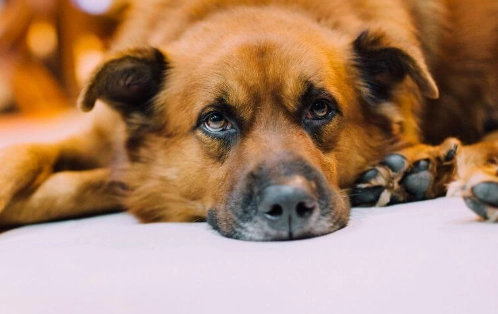
What You'll Find in This Guide
What Causes Diarrhea in Dogs? It's More Than Just Bad Food
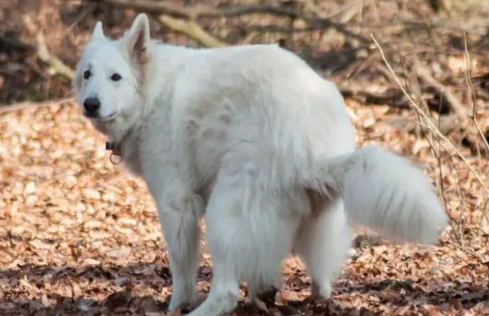
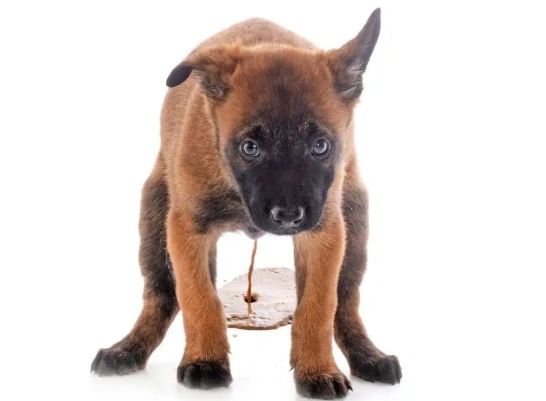
How to Treat Dog Diarrhea at Home: A Safe, Effective Protocol
Phase 1: The Gut Rest (0-24 Hours)
Phase 2: The Bland Diet Introduction (Days 1-3)
Phase 3: The Transition Back (Days 4-5+)

Supportive Supplements
When Dog Diarrhea Becomes an Emergency: The Red Flag Checklist
Red Flag Symptom
What It Might Mean
Action Required
Blood in Stool (Dark & tarry OR bright red)
Dark (melena) = upper GI bleed (stomach, small intestine). Bright red (hematochezia) = lower GI (colon). Both are serious.
Immediate vet visit.
Diarrhea + Vomiting
Prevents keeping anything down, rapid dehydration risk. Could indicate blockage, pancreatitis, toxin ingestion.
Urgent vet visit, especially if vomiting persists.
Lethargy, Depression, Loss of Appetite
Your dog feels systemically ill. This is more than just an upset stomach.
Vet visit within 24 hours.
Distended or Painful Abdomen
Potential sign of bloat (GDV), pancreatitis, or obstruction.
Emergency vet now.
Diarrhea in a Puppy, Senior, or Small Breed
These groups dehydrate and deteriorate much faster.
Seek vet advice sooner than you would for a healthy adult.
Diarrhea Lasting >48 Hours (adult dog)
Acute issue may be turning chronic, or indicates a stubborn underlying cause.
Schedule a vet appointment.
Suspected Toxin Ingestion (chocolate, xylitol, rodenticide, etc.)
Diarrhea may be the first sign of poisoning.
Call Animal Poison Control and go to the emergency vet.