The Pit Bull Terrier: Myths, Facts, and Responsible Ownership
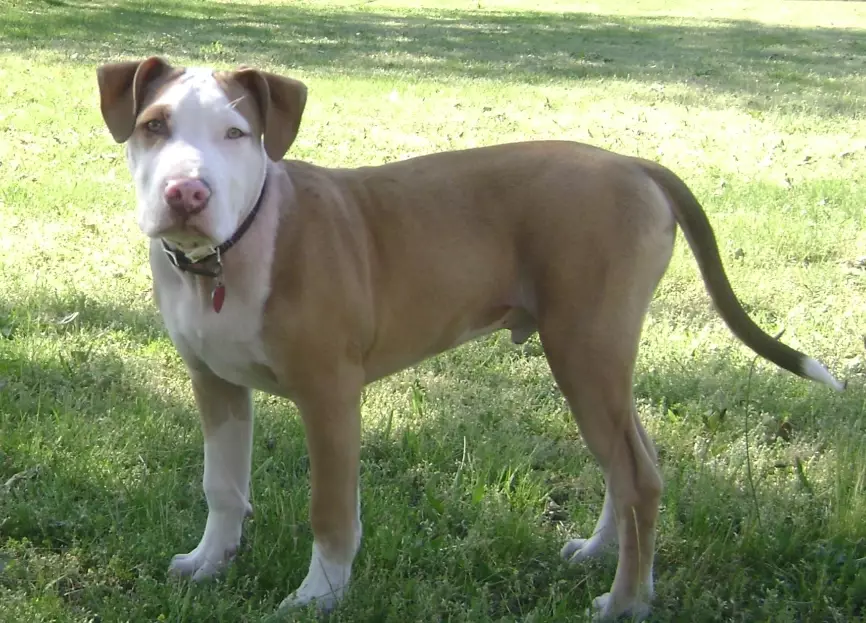
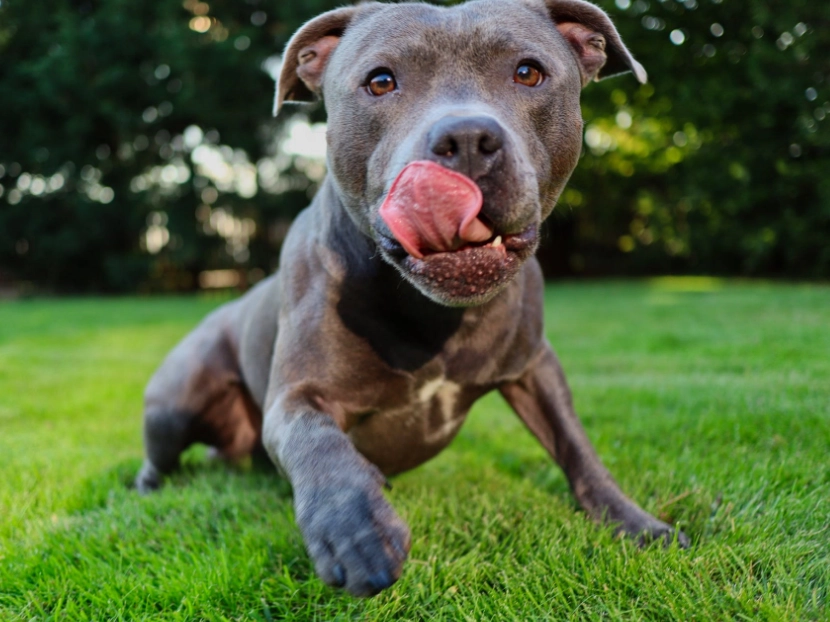
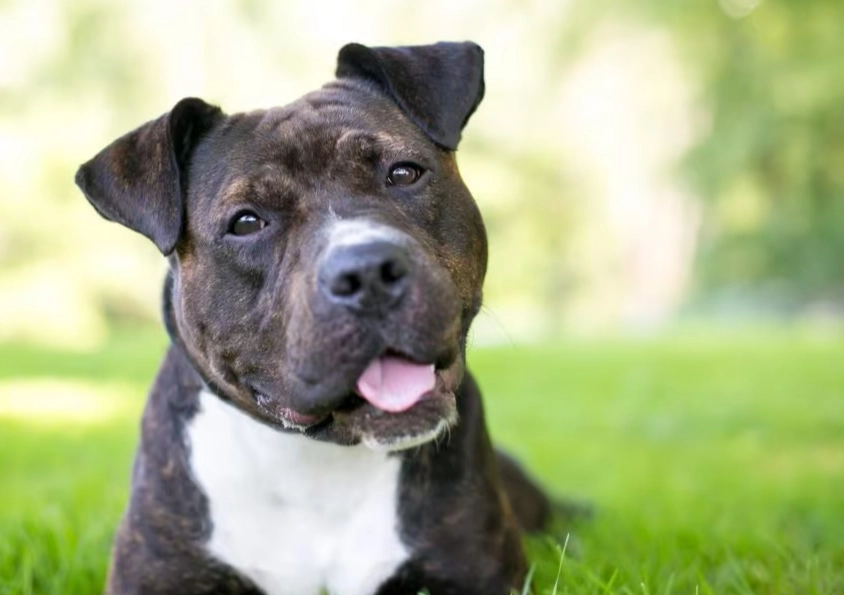
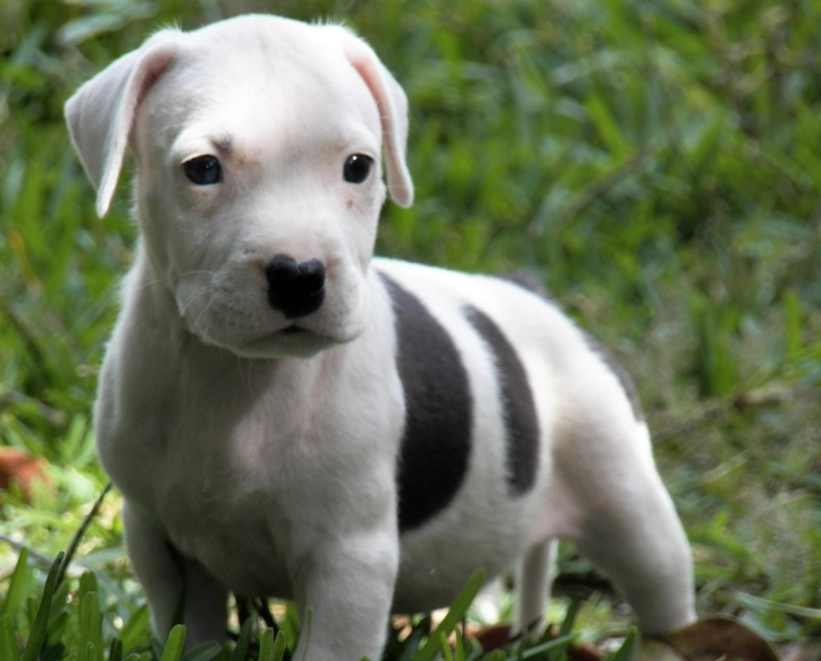
Let's get this out of the way first. The term "pit bull" isn't a single breed. It's a label, a catch-all term that often covers four distinct breeds: the American Pit Bull Terrier, the American Staffordshire Terrier, the Staffordshire Bull Terrier, and sometimes the American Bully. When someone says "pit bull terrier," they're usually picturing the American Pit Bull Terrier (APBT). That's the dog we're focusing on today. And if you're reading this, you're probably past the sensational headlines and looking for substance. Good. So am I. I've been around these dogs for over a decade, working in rescue, training, and advocating. The internet is full of noise about them. This isn't about adding to that noise. It's about giving you the unvarnished, sometimes uncomfortable, truth about owning one of these powerful, loyal, and often misunderstood companions. Genetically, the American Pit Bull Terrier (APBT) is a descendant of the "bull-and-terrier" crosses originally bred in England, Scotland, and Ireland in the 19th century. Their job was to hold bulls for the sport of bull-baiting. When that was outlawed, they were used for farm work, hunting, and as family companions. That working heritage is still burned deep into their DNA. They're strong, agile, and tenacious. The American Kennel Club (AKC) doesn't even recognize the APBT as a separate breed; it's registered with the United Kennel Club (UKC). Here's a subtle mistake I see constantly: people confuse "high energy" with "aggression." A Pit Bull that isn't given an adequate physical and mental outlet doesn't become aggressive out of nowhere. It becomes frustrated, bored, and then that frustration can manifest in destructive behaviors or reactivity. That's not a breed trait; it's a management failure. A well-exercised and mentally stimulated Pit Bull is a content and stable dog. Key Point: The physical appearance of a "pit bull type" dog can vary widely. Some have the classic blocky head and muscular build, others might be leaner. Relying on looks alone to judge temperament is a recipe for disaster. Let's talk about the elephant in the room: the infamous "lockjaw." It's a myth. There is no anatomical mechanism in any dog breed that allows their jaws to "lock" in place. What Pit Bulls (and many other terrier-type breeds) possess is a powerful bite force and a determination to hold on to something once they've grabbed it. This is a remnant of their working past. It's not a locking mechanism; it's a combination of strength, focus, and low inhibition to release. This is where most training advice falls short. You'll read everywhere that you need to be "firm" and "assertive." That's true, but the nuance most trainers miss is the type of firmness. You don't need to be a drill sergeant. You need to be a calm, confident, and consistent leader. Think of it as being the CEO of your company, not the head of security. Your Pit Bull needs to trust your decisions, not fear your reactions. Here's a non-consensus point I'll stand by: The single biggest predictor of a Pit Bull's behavior is not its genetics, but the quality of its socialization between the ages of 3 and 16 weeks. Genetics loads the gun, but environment and experience pull the trigger. A well-bred Pit Bull from stable lines should have a stable, people-oriented temperament. But if that puppy is isolated, scared, or has negative experiences during that critical window, you're fighting an uphill battle for the rest of its life. Socialization isn't just about meeting other dogs. It's about exposing your puppy to a wide variety of people, places, sounds, textures, and situations in a positive and controlled manner. This includes: Missing this window doesn't mean you can't have a good dog. It just means you'll have to work harder to build confidence and overcome potential fears. Training a Pit Bull isn't an option; it's a necessity. Not because they're inherently stubborn or aggressive (they're not), but because they're intelligent, strong-willed, and powerful. An untrained, bored Pit Bull is a liability waiting to happen. The good news? They're typically highly food-motivated and eager to please, which makes them fantastic students for positive reinforcement methods. Expert Tip: Avoid the mistake of using aversive tools like prong collars or shock collars as a first resort. I've seen too many intelligent, sensitive Pit Bulls shut down because of these methods. Start with a high-value treat (chicken, cheese, hot dogs) and a clicker. Mark the desired behavior with a click, then treat. Keep training sessions short (5-10 minutes), fun, and end on a positive note. These aren't just "nice to have" commands; they're essential for safety and management: Consistency is key. Train every day, even if it's just for a few minutes. Use the same cues and hand signals. And remember, you're not just training your dog; you're training yourself to be a better communicator. This is the most common, and often irreversible, mistake I see: people socialize their Pit Bull puppies by taking them to the dog park and letting them "figure it out." This is a recipe for disaster. Dog parks are overwhelming, uncontrolled environments where a negative experience can scar a puppy for life. Instead, focus on controlled socialization. Arrange playdates with one or two known, friendly, and vaccinated dogs in a neutral, fenced area. Introduce your puppy to new people one at a time, in a calm setting. Reward calm and curious behavior, and don't force interactions if your puppy seems scared. The goal is to build positive associations, not to throw them into the deep end. A common misconception is that a well-socialized Pit Bull needs to be friends with every dog and person. That's not true. The goal is neutrality—to be able to ignore distractions and focus on you, even in exciting environments. Here's the blunt truth: Pit Bulls are athletes. They were bred for stamina and strength. A daily walk around the block is not going to cut it. They need vigorous, structured exercise. Think of a minimum of 60 to 90 minutes of activity per day. This can be broken up into: And that's just a baseline. If you lead a sedentary lifestyle, a Pit Bull is not the dog for you. They will find their own entertainment, and you probably won't like what they choose. I made this mistake with my first Pit Bull, Duke. I thought a couple of walks a day would be enough. He started chewing on my furniture, digging in the yard, and became reactive on leash. It wasn't aggression; it was pent-up energy. Once I upped his exercise routine and provided more mental challenges, he transformed into a different dog. Like all breeds, Pit Bulls are prone to certain health conditions. Being aware of these allows you to be proactive with your vet: Preventative care is crucial. This includes regular vaccinations, parasite prevention (fleas, ticks, heartworm), a balanced diet to maintain a healthy weight (obesity puts extra strain on their joints), and annual veterinary check-ups. This is where your journey begins, and where many go wrong. Avoid online marketplaces like Craigslist or pet stores. These are often fronts for puppy mills or backyard breeders who prioritize profit over health and temperament. Instead, start with national breed clubs. For the APBT, the United Kennel Club (UKC) is the primary registry and an excellent resource. They maintain a list of breeders who adhere to their code of ethics. Attend local dog shows. This allows you to see the breeders' dogs in action, observe their temperament and structure, and talk to the breeders directly. Ask questions. A lot of them. A reputable breeder will: Expect to be put on a waiting list. Responsible breeders don't have litters constantly; they plan them carefully. Expect to pay a premium. A well-bred, health-tested Pit Bull puppy from champion lines can cost anywhere from $1,500 to $3,000 or more. But that initial cost is an investment in a healthy, temperamentally sound companion for the next 12-14 years. This is a harsh reality that every potential Pit Bull owner must face. Breed-Specific Legislation (BSL) is a set of laws that restrict or ban ownership of certain breeds or types of dogs, often based on their appearance or perceived breed, rather than their individual behavior. Pit Bulls are frequently targeted by BSL. These laws vary widely by city, county, state, and even country. They can range from outright bans on ownership to restrictions like mandatory muzzling in public, higher insurance premiums, or requirements for special licensing and containment. What You Need to Do: Before you even think about bringing a Pit Bull into your life, you must: Owning a Pit Bull Terrier is not a casual commitment. It's a lifestyle choice. They require an owner who is prepared to invest significant time, energy, and resources into their training, socialization, exercise, and healthcare. They are not suitable for first-time dog owners, for those who are not home for long periods, or for those who are not prepared to be ambassadors for the breed. If you can provide a structured, active, and loving environment with clear leadership and unwavering commitment, a Pit Bull can be one of the most loyal, affectionate, and rewarding companions you'll ever have. But if you have any doubts about your ability to meet their needs, please consider another breed. There are many wonderful dogs out there that may be a better fit for your lifestyle.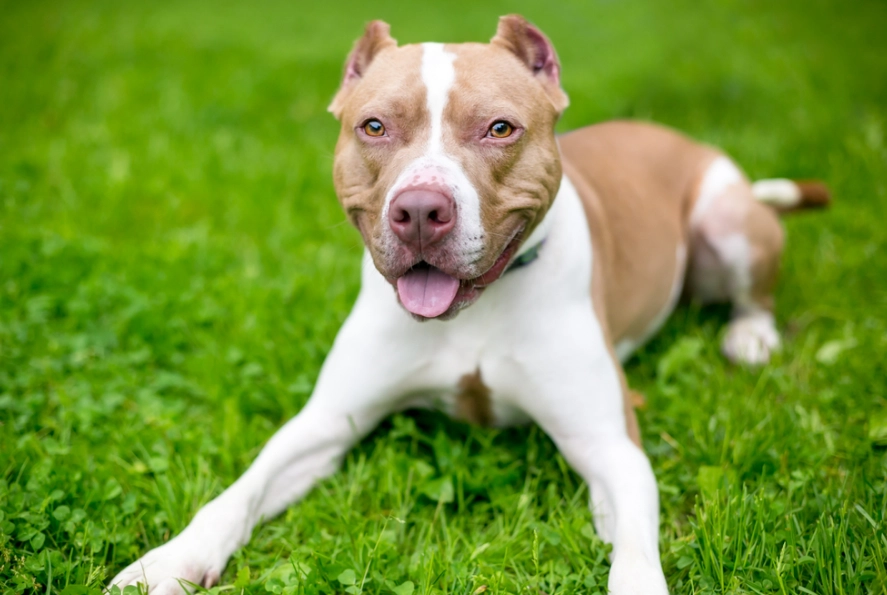
What You Need to Know
What Exactly Is a Pit Bull Terrier?
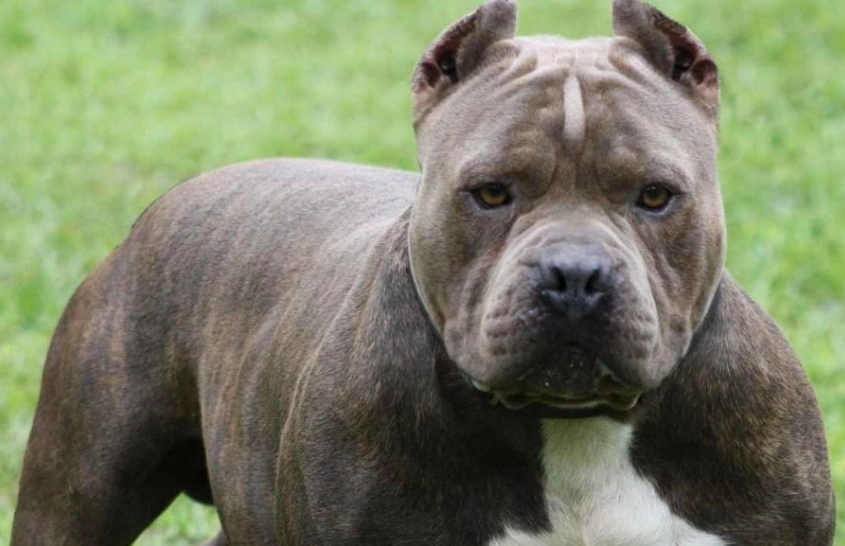
Temperament: The Pit Bull's True Nature
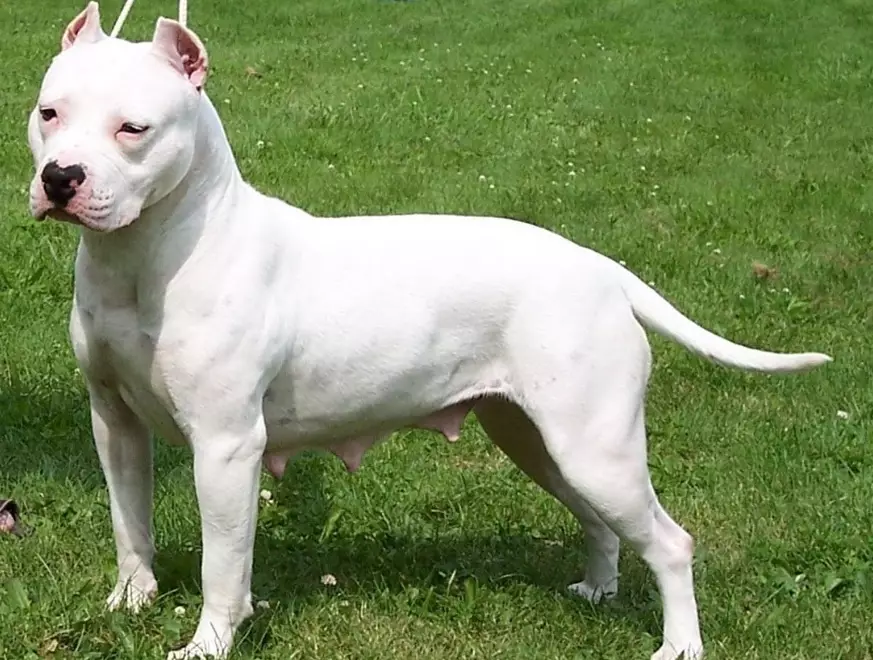
The Importance of Early Positive Experiences
Training a Pit Bull Terrier: It's Not Optional
Obedience Commands That Are Non-Negotiable
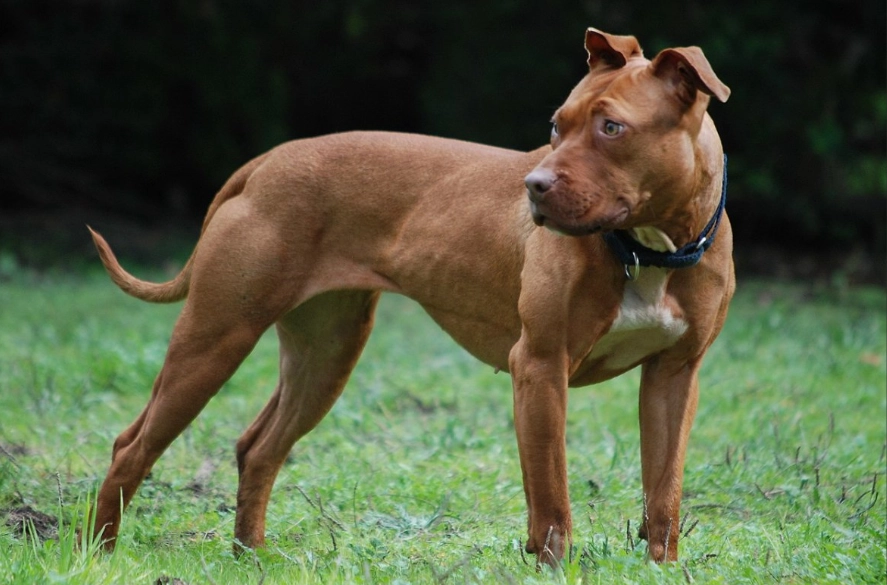
The Socialization Trap Most Owners Fall Into
Exercise: They're Athletes, Not Couch Potatoes
Common Health Issues in Pit Bull Terriers
Finding a Responsible Pit Bull Terrier Breeder
The Legal Landscape: Breed-Specific Legislation (BSL)
The Final Word: Is a Pit Bull Terrier Right for You?
Frequently Asked Questions (FAQs)