Can Dogs Eat Bananas? Safety, Benefits & Feeding Guide
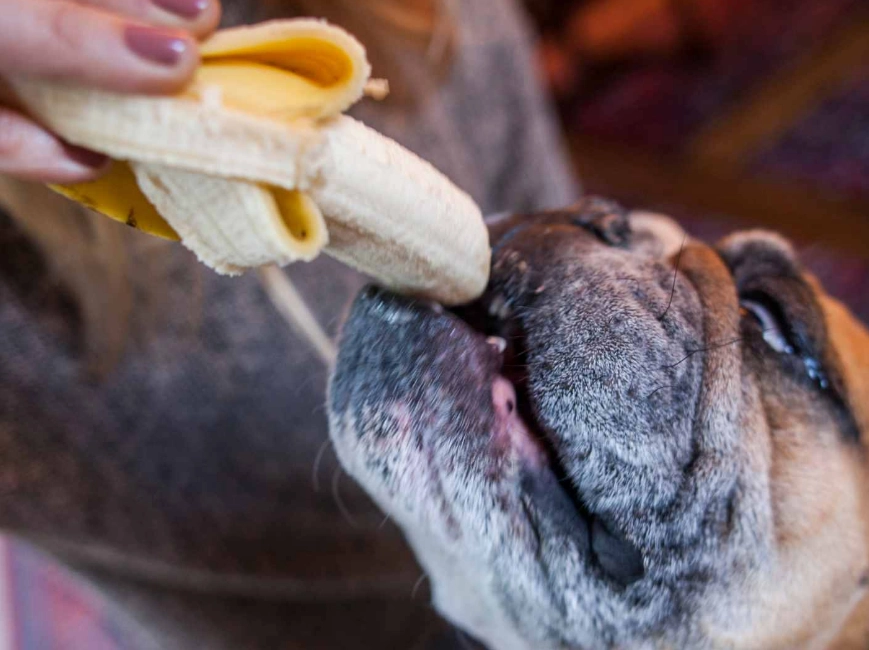
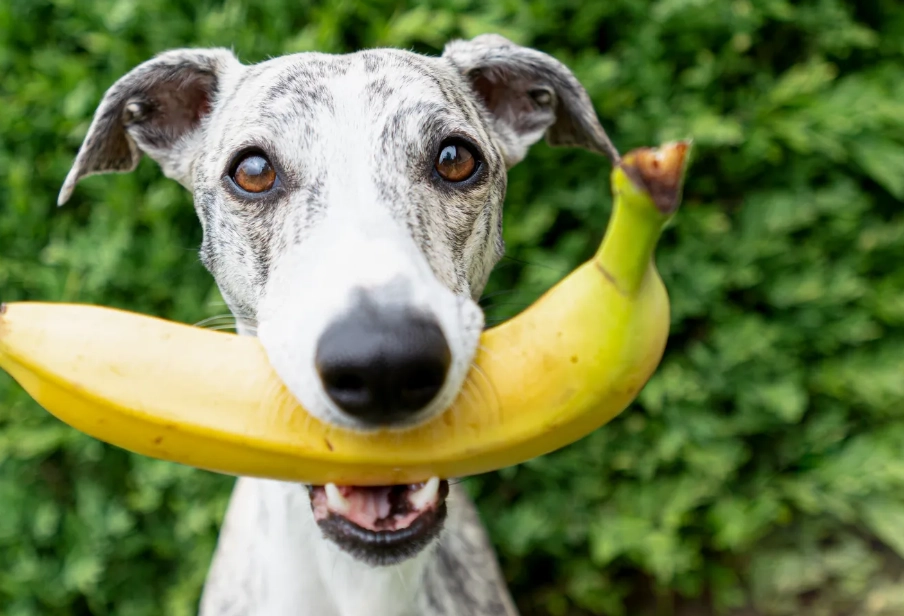
Yes, dogs can eat bananas—but it's not as simple as tossing them a whole fruit. I've been a dog owner for over a decade, and I've seen firsthand how a little knowledge can prevent big problems. Bananas offer some benefits, but mess up the serving size or preparation, and you might end up with a sick pup. Let's cut through the noise and get into the specifics. Bananas pack a punch of nutrients that can complement your dog's diet. But here's the thing—most owners focus only on the vitamins and miss the fiber aspect. Let's break it down. A medium banana (about 100 grams) contains roughly 105 calories, 27 grams of carbs, 3 grams of fiber, and 1 gram of protein. For dogs, the key players are potassium, vitamin B6, vitamin C, and magnesium. Potassium supports heart and muscle function, which is crucial for active dogs. Vitamin B6 aids in glucose generation and red blood cell function—something I noticed improved my dog's energy levels when I added tiny amounts to his meals. But the fiber is where it gets interesting. Soluble fiber in bananas can help regulate digestion. I recall a time when my Labrador had mild constipation; a small slice of banana seemed to ease things up. However, too much fiber can backfire, causing gas or bloating. It's a delicate balance. I've talked to vets who say bananas are a decent occasional treat, but they're not a magic bullet. One vet pointed out that many commercial dog foods already contain these nutrients, so bananas should be an extra, not a staple. Now, let's talk risks. This is where most guides gloss over the details. Bananas aren't toxic, but they can cause issues if you're not careful. Bananas have about 12 grams of sugar per 100 grams. For a dog, that's a lot. I made the mistake once of giving my 30-pound dog a whole banana as a reward. He loved it, but later he became hyperactive and gained weight over a few weeks. Dogs don't need added sugars; their bodies aren't built for it. Obesity in dogs is a growing problem—the Association for Pet Obesity Prevention reports that over 50% of dogs in the U.S. are overweight. Feeding high-sugar treats like bananas regularly contributes to this. If your dog is diabetic, avoid bananas altogether. The sugar spike can mess with their insulin levels. I've seen cases where well-meaning owners triggered glucose imbalances by offering fruits without consulting their vet. Whole bananas or large chunks are a choking risk, especially for small breeds. Always slice them into bite-sized pieces. More subtly, the peel is a nightmare. It's tough and fibrous; dogs can't digest it properly. I heard a story from a fellow owner whose dog ate a banana peel from the trash and ended up with an intestinal blockage requiring surgery. Not worth the risk. Watch out for overripe bananas. They have higher sugar content and can ferment, leading to stomach upset. If the banana has brown spots, limit the serving even more. Feeding bananas safely isn't rocket science, but it requires attention to detail. Here's a practical approach based on my experience. Step 1: Choose the Right Banana – Go for ripe but firm bananas. Avoid green ones (they're harder to digest) or overly brown ones (too sugary). Organic is better to reduce pesticide exposure, but not mandatory. Step 2: Prepare Properly – Peel the banana completely. Cut it into small slices or mash it. For small dogs, I mash it into a paste and mix with their regular food. For larger dogs, slices work fine. Step 3: Determine the Serving Size – This depends on your dog's size. Use the table below as a guideline, but always start with less to see how your dog reacts. Step 4: Monitor Your Dog – After feeding, watch for signs of digestive upset like diarrhea, vomiting, or gas. If any occur, stop and consult your vet. I keep a food diary for my dog to track reactions—it helps spot patterns. Step 5: Incorporate Creatively – You can freeze banana slices for a cool summer treat, or mix mashed banana with plain yogurt for a homemade snack. But avoid adding sugar or other ingredients. Pro tip: Use bananas as a training reward for high-value tasks. The natural sweetness makes dogs eager, but keep pieces tiny to avoid overfeeding. There's a lot of misinformation out there. Let's clear up a few myths I've encountered. Myth 1: Bananas are a cure-all for dog diarrhea. Not true. While the fiber can help with mild cases, the sugar might worsen diarrhea. For serious issues, stick to vet-recommended diets like boiled chicken and rice. Myth 2: All dogs love bananas. Actually, some dogs are indifferent or even dislike the texture. My friend's dog turns his nose up at bananas but goes crazy for apples. It's personal preference. Myth 3: Banana peels are safe if organic. Absolutely false. The peel's composition is indigestible regardless of organic status. It can cause blockages—always discard it. I've seen forums where people claim bananas prevent heart disease in dogs. While potassium is heart-healthy, there's no solid evidence that bananas alone make a significant impact. A balanced diet and regular exercise are far more important.
What's Inside This Guide
What Makes Bananas a Potential Dog Treat?
Nutritional Breakdown
Key Vitamins and Minerals
The Dark Side: When Bananas Can Harm Your Dog
Sugar Content and Obesity
Choking Hazards and Digestive Issues
How to Feed Bananas to Your Dog: A Step-by-Step Guide
Dog Size
Weight Range
Recommended Serving
Frequency
Small (e.g., Chihuahua)
Under 20 lbs
1-2 small slices (1 tbsp)
Once or twice a week
Medium (e.g., Beagle)
20-50 lbs
2-3 slices (2 tbsp)
Twice a week max
Large (e.g., Labrador)
Over 50 lbs
3-4 slices (3 tbsp)
Twice a week max

Common Myths Debunked

Frequently Asked Questions
 Wrapping up, bananas can be a fun, occasional treat for dogs if handled correctly. The key is moderation and preparation. Don't let the simplicity fool you—small mistakes can lead to vet visits. Trust your instincts, observe your dog, and when in doubt, skip the banana and stick to their regular diet. After all, our furry friends rely on us to make the best choices for their health.