Honey for Dogs: The Complete Guide to Safe and Healthy Feeding
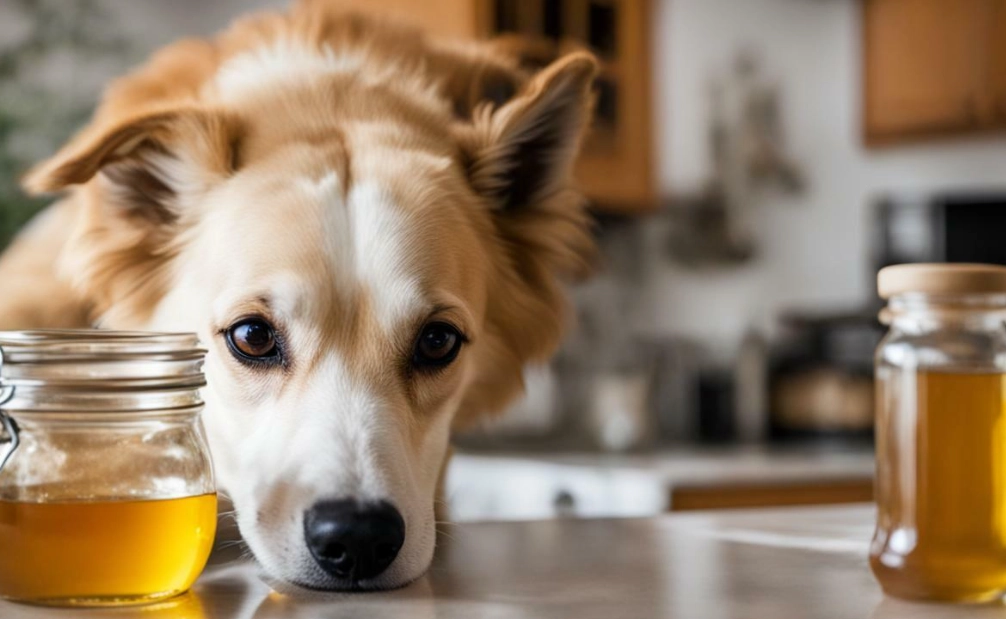
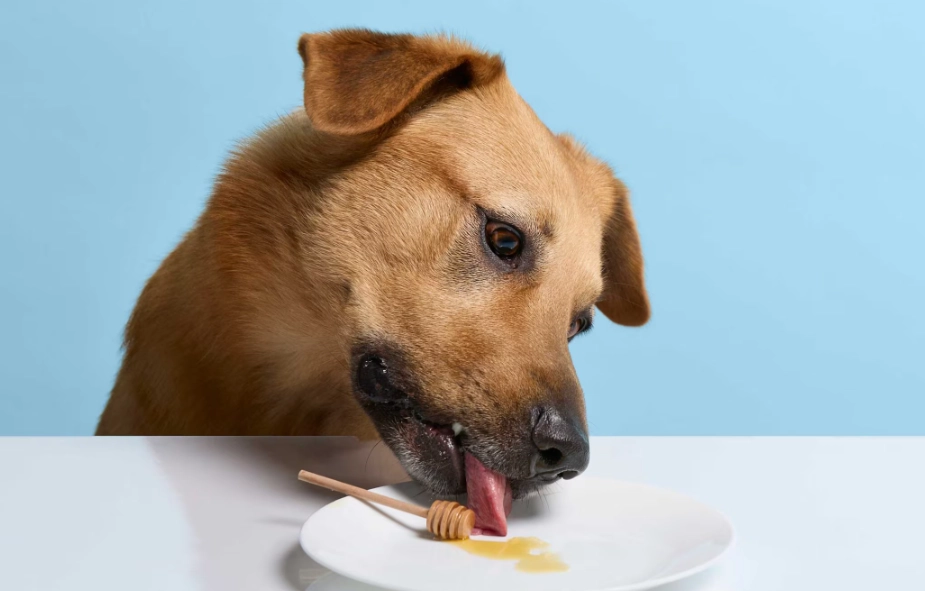
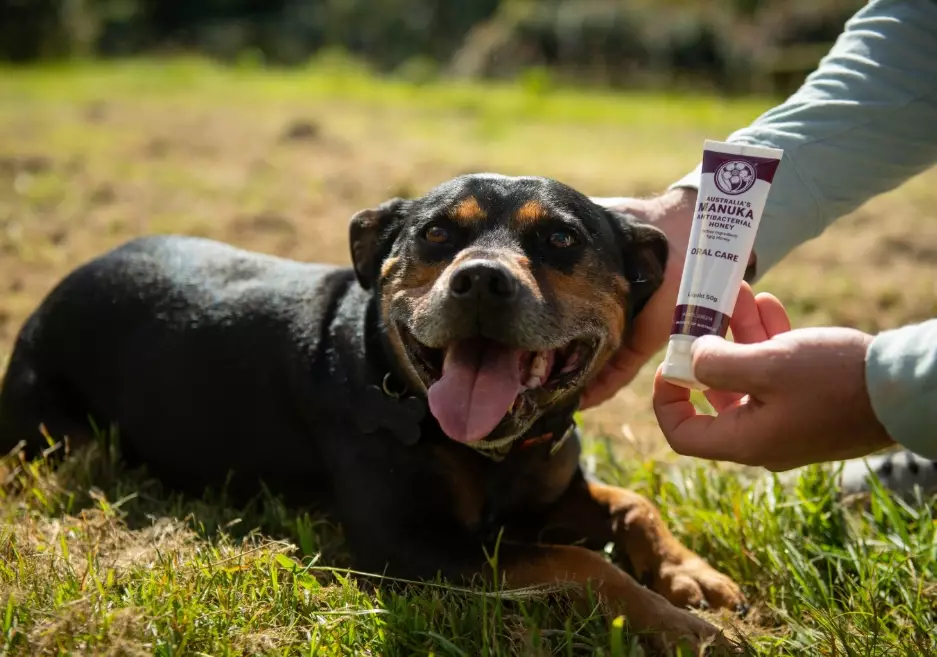
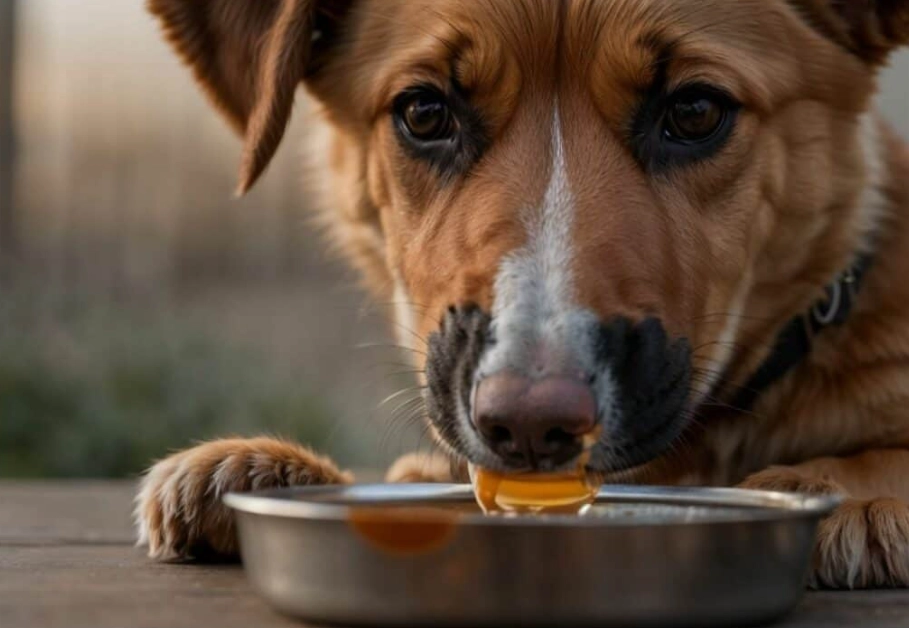
Let's cut to the chase. Yes, most dogs can eat honey. It's not toxic like chocolate or grapes. But here's the part most articles gloss over: giving your dog honey is a bit like letting them have a sip of your coffee—it's fine for some, a bad idea for others, and the dose makes all the difference. I've seen well-meaning owners cause a messy bout of diarrhea by overdoing it with the "natural goodness." After a decade working with canine nutrition, I've learned that the devil is in the details. This guide will walk you through the real benefits, the often-ignored risks, and the precise steps to do it right. Forget the vague claims about "boosting immunity." Let's talk specifics. Raw, unpasteurized honey contains trace amounts of pollen, enzymes, antioxidants like flavonoids, and compounds with antimicrobial properties. What does that mean for your dog? It's a natural energy source. The simple sugars (fructose and glucose) are easily absorbed. A tiny dab on a tough training day or before a long hike can give a quick pick-me-up. I've used a half-teaspoon for my active Border Collie before agility practice, and it seems to help his focus without the crash you get from processed treats. It can soothe a scratchy throat. The thick, viscous texture coats the throat, providing temporary relief for minor irritation from kennel cough or allergies. Think of it as a natural lozenge. A 2012 study published in Pediatrics found honey effective for nighttime cough in children; the mechanism is likely similar in dogs. Antioxidants matter. The antioxidants in darker honeys like Manuka or Buckwheat may help combat cellular damage from free radicals. This is a long-term, supportive benefit, not an instant cure. Some evidence points to prebiotic effects. Honey can act as a food source for the good bacteria in your dog's gut, potentially aiding digestion. This is why you sometimes see it recommended for minor digestive upset. But here's my non-consensus point: most of these benefits are linked to raw, unpasteurized honey. The high-heat processing that creates the clear, shelf-stable honey in most bears destroys many of the enzymes and antioxidants. If you're using regular supermarket honey, you're basically giving your dog sugar water with minimal added benefit. This is where you need to pay close attention. The risks aren't about toxicity, but about specific, sometimes serious, complications. Raw honey can contain spores of Clostridium botulinum. A healthy adult dog's digestive system can handle these spores. But puppies under one year old have immature gut flora. So do dogs with compromised immune systems. For them, these spores can germinate, produce toxin, and cause a paralytic illness called infant botulism. It's rare, but it's real. The FDA has warnings about honey and infant botulism for human babies; the same logic applies to puppies. Never give raw honey to a puppy. Weight gain and diabetes. Honey is sugar. It's about 17 grams of carbohydrates per tablespoon. Feeding too much contributes directly to obesity. For diabetic dogs, it can cause dangerous blood sugar spikes. Even for healthy dogs, it's empty calories that should displace part of their regular meal, not add to it. Dental decay. Sugar feeds the bacteria that cause plaque and tartar. If you're giving honey, pay extra attention to your dog's dental hygiene. Allergic reaction. It's uncommon, but possible. Signs include itching, hives, swelling, or digestive upset. Start with a minuscule amount. Gastrointestinal upset. Too much, too fast, and you'll have a case of canine diarrhea on your hands. Their systems aren't used to such a concentrated sugar hit. Let's get practical. How do you actually do this? Opt for raw, local, unfiltered honey if your dog is an adult and healthy. Local honey may have the added (though debated) benefit of containing local pollen, potentially helping with environmental allergies. Manuka honey (UMF 10+) has stronger studied antimicrobial properties but is expensive. For puppies or immunocompromised dogs, you must use pasteurized honey, understanding its benefits are limited. This is not a "spoonful" situation. The dose is tiny. Treat this like a supplement, not a food. For specific issues like a cough, you might give this dose for 3-5 days, then stop. Don't just let them lick the spoon. They'll want more. Mix it into their regular food. Spread a thin layer on a tough chew toy like a Kong. Or, my preferred method for training: dip the tip of a high-value treat (like a bit of dried liver) into the honey. It makes the treat extra enticing without delivering a full dose. Start with half the recommended dose for the first couple of times to see how their stomach handles it. This is a crucial distinction. Let's break it down. My take? If you're going to bother introducing honey, source a good quality raw honey from a local beekeeper. You support a local business and get a more potent product. Just respect the risks. My dog has a cough. Can I use honey instead of seeing a vet? Is raw honey safe for puppies or senior dogs? Can honey help with my dog's seasonal allergies?
What's Inside This Guide?
The Science & Real Benefits of Honey for Dogs

Potential Risks and Critical Warnings
The #1 Risk Most Owners Miss: Infant Botulism
How to Introduce Honey to Your Dog Safely
Step 1: Choose the Right Honey
Step 2: Calculate the Correct Dosage
Step 3: Methods of Administration
When to Absolutely Avoid Honey
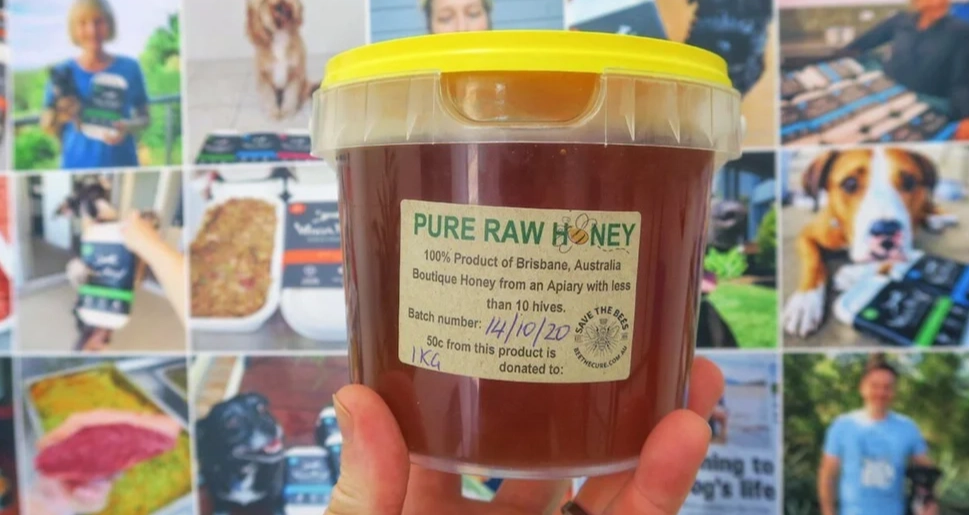
Raw Honey vs. Regular Honey: Which is Better?
Feature
Raw, Unpasteurized Honey
Regular/Pasteurized Honey
Processing
Minimally filtered, not heated above 118°F (48°C).
Heated (pasteurized) to kill yeast, filtered to remove particles for clarity and long shelf life.
Appearance
Cloudy, may contain bits of wax, pollen.
Clear, smooth, consistent.
Active Compounds
Contains live enzymes, antioxidants, pollen, propolis.
Most enzymes and antioxidants are destroyed by heat.
Botulism Risk
May contain C. botulinum spores. Unsafe for puppies.
Spores killed by pasteurization. Safer for vulnerable dogs.
Best For
Healthy adult dogs, for potential health benefits.
Puppies, immunocompromised dogs, or as a mere sweetener.
My Verdict
The only choice if you're seeking health benefits. Handle with care.
A safer but largely ineffective option from a nutritional standpoint.
Your Questions, Answered