Cat Kneading: Why Cats Make Biscuits and What It Means
What You’ll Learn in This Guide
You’re sitting on the couch, trying to relax, when your cat jumps onto your lap. It starts purring, settles in, and then… it begins. Those front paws push in and out, rhythmically, against your leg. Maybe it’s your stomach, or a soft blanket. You know the feeling. It’s called cat kneading, or as many cat owners affectionately call it, “making biscuits.”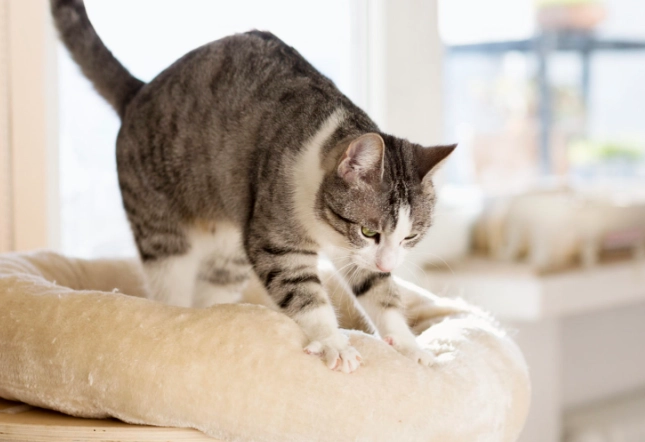
This behavior is one of the most common, yet oddly specific, things cats do. If you’ve ever wondered why your cat does this, you’re not alone. In this guide, we’re going to dive deep into the world of cat kneading, covering everything from the science behind it to what it really means when your feline friend decides to make you their personal dough.
What is Cat Kneading?
Let’s start with the basics. Cat kneading is exactly what it sounds like: a cat pushing its paws in and out against a soft surface. The motion is slow, deliberate, and often accompanied by purring. Some cats even drool while they knead. It can look gentle and loving, or it can be surprisingly vigorous, with claws fully extended (ouch!).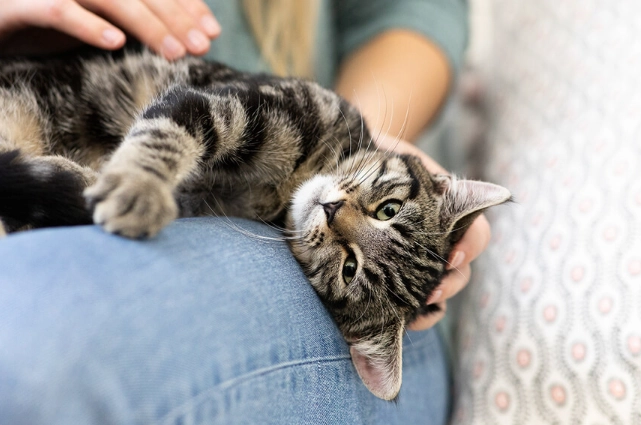
I’ve had cats my entire life, and I’ve seen every variation of this behavior. My current cat, Luna, is a champion biscuit-maker. She prefers a specific fleece blanket that’s been washed a hundred times, and she’ll knead it for a solid ten minutes, purring so loudly you can hear her across the room. My previous cat, Oliver, would only knead on my stomach, and he’d get so into it that he’d start sucking on the fabric of my shirt. Every cat is different, and that’s part of what makes this behavior so fascinating.
Why Do Cats Knead? The Surprising Truth
Most people think it’s just a leftover habit from kittenhood. And that’s partially true. But it’s so much more than that. The kneading motion itself serves several purposes, both for the cat and for us.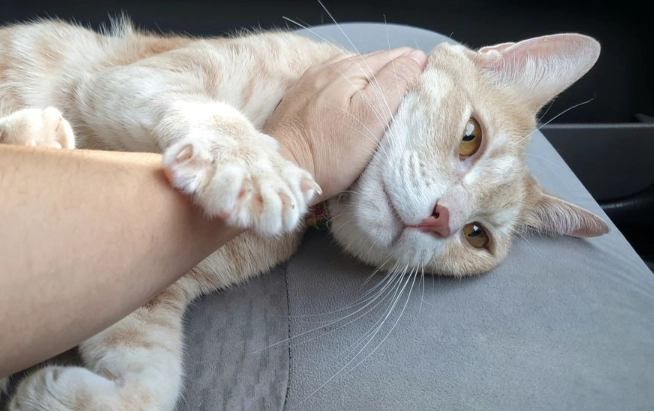
To understand why cats knead, we need to go back to the beginning. Way back. To when they were just tiny, blind, and deaf kittens. At this stage, they rely on their sense of touch and their instinct to nurse. The kneading motion helps stimulate milk flow from their mother. It’s a survival mechanism.
But as they grow older, the behavior doesn’t disappear. It evolves. It becomes a way for them to mark their territory, to stretch and prepare a resting spot, and to express deep contentment and relaxation. It’s a sign of trust.
Think about it. When a cat kneads you, they are essentially treating you as they would their mother or a littermate from their earliest days. They are saying, “I trust you enough to let my guard down completely.” It’s a profound compliment.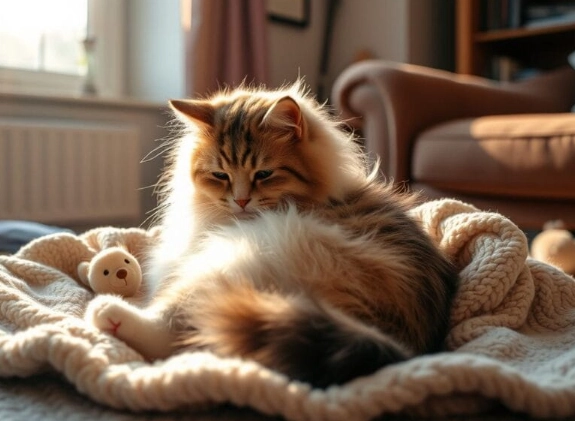
The Kitten Connection
This is where the nursing theory comes in. And it’s a strong one. The motion of kneading is directly linked to the act of nursing. It’s a comfort behavior. It releases endorphins, which create a feeling of pleasure and security. So, when your adult cat kneads you, they are essentially regressing to a state of kittenhood. They are feeling safe, happy, and loved.
Beyond Nursing: The Adult Cat’s Kneading
But it doesn’t stop there. Adult cats continue to knead for a variety of reasons that go far beyond just a comforting habit.
One of the most interesting theories I’ve come across, and one that I personally believe holds a lot of weight, is the scent-marking theory. Cats have scent glands on the pads of their paws. When they knead, they are releasing their unique scent onto the surface. It’s a way of marking their territory, of saying, “This is mine.” This is why you might notice your cat kneading more intensely on new furniture, or on a blanket that you’ve just washed. They’re trying to re-establish their scent.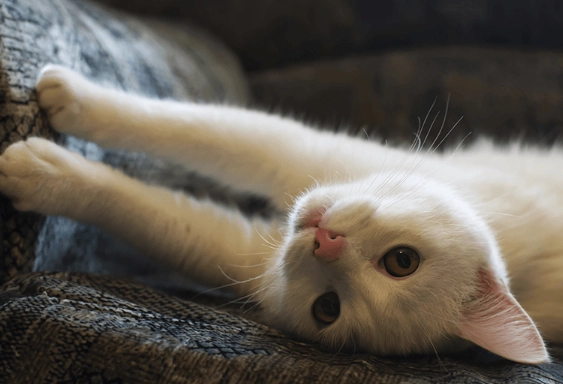
Another reason is simply physical. Kneading helps stretch and tone the muscles in their paws and legs. It’s a form of exercise, a way to prepare a resting spot, and a way to work out any tension or stiffness they might be feeling. It’s a natural behavior.
Kneading Behavior Explained: From Kittens to Your Lap
Now, let’s talk about the different types of kneading. Because not all kneading is the same. And understanding these differences can help you better understand your cat’s unique personality.
Some cats are gentle kneaders. They’ll barely press their paws into you, and they’ll keep their claws retracted. Others are more… enthusiastic. They’ll dig in with full force, claws out, and they might even start drooling. Some cats will only knead on soft blankets, while others will knead on anything and everything, including your lap, your stomach, and even your face.
I’ve noticed that Luna’s kneading style changes depending on her mood. When she’s feeling particularly relaxed and content, her kneading is slow and gentle. But when she’s excited or anxious, it becomes more rapid and intense. She’ll also incorporate more of her body into the motion, stretching her back and even rolling over onto her side.
Oliver, on the other hand, had a very specific kneading routine. He would only knead on my stomach, and he would always start with his right paw, then switch to his left, and then back to his right. It was a pattern. And if I tried to move him, he would immediately stop and look at me as if to say, “What are you doing? I’m not done yet!”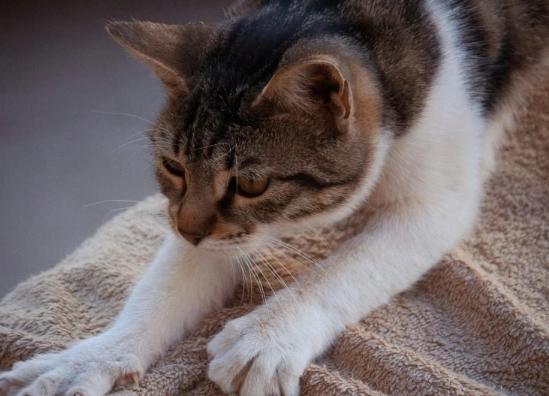
Should You Stop Cat Kneading? (And How to Cope)
This is where things can get tricky. Because sometimes, cat kneading can be painful. Especially if your cat has sharp claws and decides to use them on you. Or if they start kneading on a sensitive area, like your stomach or your neck.
I’ve been there. I’ve had my fair share of scratches and bruises from overzealous kneading. And I’ve learned that the best way to deal with it is not to try to stop it completely, but to manage it.
Here’s what I mean: If your cat’s kneading is causing you pain or discomfort, the first step is to figure out why. Is it because they’re using their claws? Is it because they’re kneading too hard? Is it because they’re kneading on a sensitive area?
Once you’ve identified the why, you can start to work on the how. And that’s where the following tips come in.
When Kneading Becomes a Problem
There are a few situations where cat kneading can become a problem, and where you might need to intervene.
- Kneading with claws: This is probably the most common issue. And it’s one that can be easily solved by trimming your cat’s claws regularly. If your cat is still causing pain, you can try using soft nail caps or providing a scratching post as an alternative.
- Kneading on sensitive areas: If your cat is kneading on a sensitive area, like your stomach or your neck, you can try gently redirecting them to a different spot. Or, you can try providing a soft blanket or a pillow for them to knead on instead.
- Kneading that leads to biting: This is a more serious issue, and one that requires a different approach. If your cat starts to bite while kneading, it’s likely a sign of overstimulation or redirected play aggression. In this case, the best course of action is to calmly disengage. Get up and walk away. This sends a clear message that the behavior is not acceptable.
How to Cope with Painful Kneading
If you’re dealing with a cat that kneads with too much force, or with claws, there are a few things you can try.
First, make sure your cat’s claws are trimmed. This will help reduce the pain and damage caused by their kneading. Second, provide an alternative surface for them to knead on. A soft blanket, a pillow, or even a designated “kneading blanket” can work wonders.
Third, try to redirect their attention before they start to bite. A toy, a treat, or even just a gentle pet can sometimes be enough to break their focus and prevent them from escalating.
And fourth, if all else fails, you might need to consider using a deterrent. A spray bottle with water, a loud noise, or even just a sharp “No!” can sometimes be enough to stop the behavior.
But remember, never punish your cat for kneading. This is a natural, instinctive behavior for them. And punishing them for it will only make them anxious and stressed, which could lead to even more problematic behaviors down the line.
Cat Kneading Problems and Solutions: When It Hurts
Now, let’s talk about some specific problems and solutions.
One of the most common questions I get asked is: “My cat kneads me so hard that it hurts. What should I do?”
And my answer is always the same: Start by understanding why your cat is kneading so hard. Is it because they’re excited? Are they trying to get your attention? Are they simply expressing their affection in a way that’s too rough for you?
Once you’ve figured out the why, you can start to work on the how. And that’s where the following strategies come in.
Strategy 1: The Blanket Barrier
This is my go-to solution for cats that knead with too much force. Simply place a thick blanket or a towel between you and your cat. This will provide a barrier that will absorb some of the force of their kneading and make it more comfortable for you.
Strategy 2: The Redirect
If your cat starts to knead on you, and you can feel that they’re about to start using their claws, try redirecting their attention. A toy, a treat, or even just a gentle pet can sometimes be enough to break their focus and get them to stop.
Strategy 3: The Training Approach
If your cat is kneading on you because they’re trying to get your attention, or because they’re bored, you might need to try a more active approach. This could involve teaching them a new behavior, like “sit” or “stay,” or providing them with more mental and physical stimulation throughout the day.
But let’s be honest, training a cat is not like training a dog. It requires patience, consistency, and a lot of positive reinforcement. And it’s not always easy.
Your Cat Kneading Questions Answered
Related Articles