Cats in Heat: How Often, Signs, and What to Do
If you've ever been jolted awake at 3 AM by a series of soul-piercing yowls from your otherwise sweet cat, you've met the feline heat cycle. The question "how often do cats go into heat?" seems simple, but the answer is a frustrating "it depends." Unlike dogs with predictable schedules, a cat's reproductive cycle is a masterclass in flexibility, heavily influenced by light, age, and even her living situation. As someone who's fostered dozens of cats, I've seen the full spectrum—from the subtle, almost silent cycler to the operatic diva who makes her desires known to the entire neighborhood. Let's cut through the confusion and talk about what really happens, how often you can expect it, and what you can (and shouldn't) do about it.
What's Inside?
What Determines How Often Cats Go Into Heat?
Think of a cat's heat cycle not as a calendar event, but as a light-activated switch. They are "seasonally polyestrous," meaning they have multiple cycles during a breeding season. That season is triggered by increasing daylight. Here’s what really controls the frequency:
The Light Factor: This is the biggest driver. More daylight (typically 12+ hours) signals the brain to start the cycle. This is why indoor cats, bathed in artificial light year-round, can become what vets call "non-seasonal breeders." They can cycle any month, making it feel constant.
Age at First Heat: Kittens can hit puberty as early as 4 months old. That's right—while still a kitten herself. This is a critical detail many new owners miss. If you're waiting until she's "older" to spay, you might be too late.
Breed Variations: Siamese and related breeds are notorious for starting early and having intense, frequent cycles. Larger, long-haired breeds like Persians or Maine Coons might start later and have less obvious cycles.
The Cycle Itself: A heat cycle (estrus) lasts about 4 to 7 days. If she doesn't mate, she'll go out of heat for a brief period (called interestrus) and then cycle back in. This "off" period can be as short as a week or two. So, you might see a pattern of one week on, one week off, repeated for months.
| Factor | Impact on Heat Frequency | Typical Scenario |
|---|---|---|
| Environment | Highest Impact | Indoor cat with artificial light: Can cycle every 2-3 weeks, year-round. Outdoor cat: Seasonal cycles (Spring-Fall). |
| Age | High Impact | First heat at 4-6 months. Cycles are most frequent and regular in young adults (1-4 years). May become less regular with age. |
| Breed | Moderate Impact | Siamese/Oriental: Early, frequent, vocal. Long-haired breeds: May start later, cycles can be subtler. |
| Recent Litter | Variable | A queen can go back into heat as soon as 1-2 weeks after weaning her kittens, restarting the frequent cycle. |
I fostered a tiny tabby named Mochi who perfectly illustrated the indoor light problem. In my apartment, she cycled like clockwork every three weeks for nearly eight months straight. It was exhausting for both of us. It wasn't until her spay appointment that the constant cycle ended.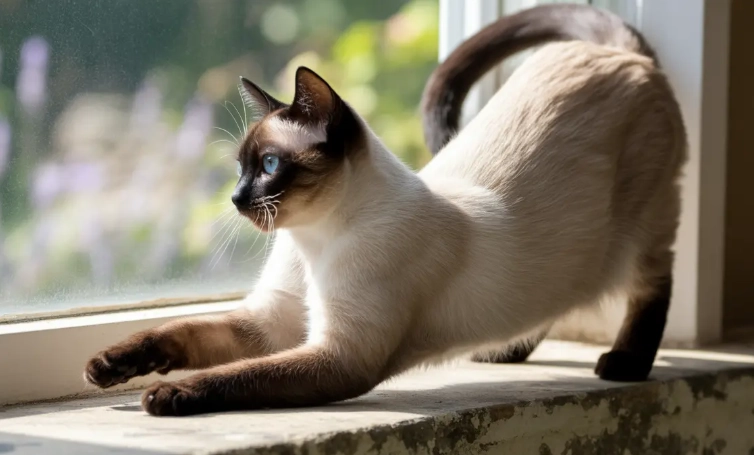
The 5 Unmistakable Signs Your Cat Is in Heat
You won't need a test kit. The signs are behavioral and dramatic.
1. Vocalization: The Siren Call
This isn't a meow. It's a loud, low-pitched, persistent yowl or howl designed to travel. It sounds distressed, and it often happens at night. She's calling for mates, and she's very serious about it.
2. Affection & Restlessness on Overdrive
She'll rub against you, furniture, and the corners of walls constantly. She may roll on the floor. But it's a needy, frantic kind of affection. One second she's glued to you, the next she's darting to the window. She seems unable to get comfortable.
3. The "Lordosis" Posture
This is the definitive sign. When you pet her lower back, she'll immediately drop her front half to the ground, raise her rear end, and hold her tail stiffly to the side. It's an automatic mating posture. She might also tread with her back feet.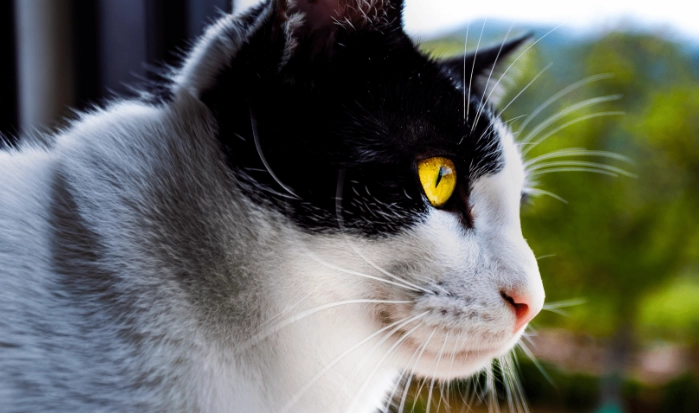
4. Increased Urine Marking & Escape Attempts
While more common in males, females in heat may spray small amounts of urine on vertical surfaces. The urine contains pheromones advertising her availability. She'll also become obsessed with doors and windows, looking for any chance to get outside.
5. Appetite Changes
Some cats eat less during this time. All that energy is going into... other pursuits. Don't be overly alarmed if she's a bit picky, but ensure she's still drinking water.
A Common Misconception: Many people mistake the bloody discharge common in dogs for a sign of cat heat. Cats do not have visible bleeding as part of their estrus cycle. If you see blood, it's a red flag and warrants an immediate vet visit, as it could indicate a urinary tract infection, injury, or other serious condition like pyometra (a life-threatening uterine infection).
How to Manage a Cat in Heat: Do's and Don'ts
You can't stop a cycle once it starts, but you can make it more bearable and keep her safe.
Do: Lock Down Security. This is non-negotiable. Check window screens, use baby gates, and be hyper-vigilant when opening doors. A cat in heat is a master escape artist.
Do: Provide Distraction & Comfort. Interactive play with a wand toy can temporarily tire her out and redirect her focus. A warm heating pad (on a low setting and covered with a towel) or a cozy blanket can be soothing. Some cats respond to quiet, calming pheromone diffusers like Feliway.
Do: Keep the Litter Box Meticulously Clean. She's more likely to mark if her box is dirty. Clean it more frequently than usual.
Don't: Punish or Yell. She is physiologically driven. She can't help it. Getting angry will only stress her (and you) more.
Don't: Believe in "Home Remedies." You'll see advice about using herbal supplements, Q-tips, or other methods to "satisfy" her. These are ineffective, potentially dangerous, and can cause injury or infection. Do not attempt them.
Don't: Assume She'll "Grow Out of It." She won't. The cycles will continue indefinitely until she is spayed or becomes pregnant. And pregnancy, of course, leads to kittens and then a rapid return to cycling.
The only way to truly end the heat cycles is through veterinary spaying.
The Long-Term Solution: Spaying Your Cat
Spaying (ovariohysterectomy) is the surgical removal of the ovaries and uterus. It's a routine procedure with immense benefits.
- Ends Heat Cycles: No more yowling, restlessness, or escape attempts.
- Prevents Pregnancy: Eliminates the risk of unwanted litters.
- Major Health Benefits: Virtually eliminates the risk of ovarian and uterine cancers and prevents pyometra, a common and deadly uterine infection in older, unspayed cats.
- May Reduce Roaming & Fighting: While more pronounced in males, it can reduce the urge to roam in females.
When to Spay: The standard recommendation from organizations like the American Veterinary Medical Association (AVMA) is before the first heat, around 4-6 months of age. Early-age spaying is safe and effective.
What if she's in heat now? Vets can and do spay cats in heat. The surgery is a bit trickier due to increased blood flow to the reproductive organs, but an experienced vet can handle it. It's often better to proceed than to wait and risk an escape and pregnancy.
I made the mistake of waiting too long with my first cat, thinking she was "too small" at five months. She went into heat, and that week was a crash course in everything I've just described. We spayed her as soon as the cycle ended, and the difference was night and day. She became calmer, more focused, and just... happier.
Your Top Questions Answered
Related Articles