How Do Dogs Get Parvo? Transmission, Risks & Prevention
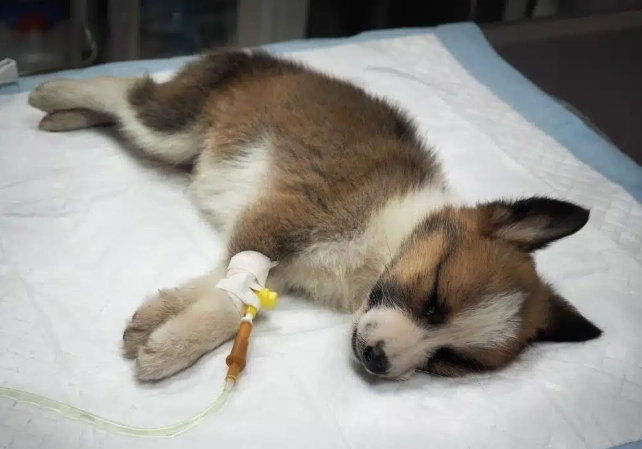
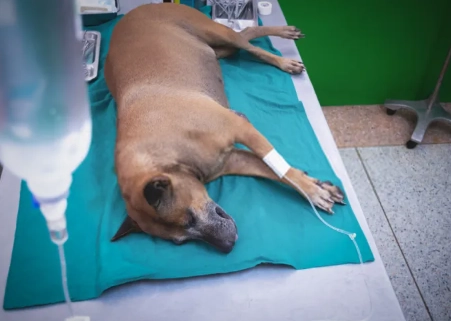
You bring home a wiggly, perfect puppy. A few days later, they're listless, vomiting, and have bloody diarrhea. It's a nightmare scenario, and parvovirus is often the culprit. I've seen it too many times in my years working with rescues. The question isn't just academic—"how do dogs get parvo?"—it's a matter of life and death for your dog. The answer is more complicated, and the virus more sneaky, than most new owners realize. It doesn't just jump from one sick dog to another at the park. It hitchhikes. Canine parvovirus is a fecal-oral pathogen. That's the clinical term. In plain English, a dog gets infected by ingesting the virus particles, usually from contaminated feces. But the journey from Point A (a sick dog) to Point B (your healthy dog) has several stops. This is the most obvious route. A dog actively sick with parvo is shedding billions of virus particles in every gram of its feces. If your dog sniffs, licks, or even gets too close to that feces, infection is almost certain. This is why dog parks, pet stores, and shelters are ground zero for parvo outbreaks. But here's the subtle part everyone misses: the shedding starts before symptoms appear. A dog can seem perfectly healthy for 3-4 days while already being contagious. That "friendly" dog at the park? You have no idea. This is where parvo gets scary. The virus is extremely stable in the environment. It can survive indoors at room temperature for at least two months. Outdoors, if protected from sunlight and desiccation, it can live in soil for a year or longer, especially in colder climates. Contamination points are everywhere: This is the silent killer, the one new puppy owners rarely consider. You can bring parvo home to your dog. The virus sticks to your shoes, your clothes, your hands. If you walk through a contaminated park, visit a pet store, or even volunteer at a shelter, you can pick up microscopic particles. You then walk into your house, pet your unvaccinated puppy, and the cycle completes. I've traced outbreaks back to a well-meaning neighbor who simply petted a stray before visiting a litter of puppies. All unvaccinated dogs are susceptible, but some are sitting ducks. Puppies between 6 weeks and 6 months old are the most vulnerable. They lose the immunity from their mother's milk right when they're most curious and mouthy, exploring the world. Their own immune systems are still naive. This is the critical window. Certain breeds seem to have a genetic predisposition for severe parvo. Rottweilers, Doberman Pinschers, American Pit Bull Terriers, German Shepherds, and Labrador Retrievers are often noted by vets as being overrepresented in severe cases. It doesn't mean other breeds are safe—they're not—but the disease can hit these dogs harder. The biggest man-made risk factor? Incomplete vaccination. That "first shot" doesn't grant full immunity. It primes the system. Immunity is only solid about 2 weeks after the final puppy shot in the series (usually around 16-18 weeks old). Letting your puppy roam freely before that is playing Russian roulette. Prevention isn't a single action; it's a protocol. Follow this. Follow your veterinarian's recommended schedule for the DHPP vaccine (which covers parvo). Don't skip the final booster. For adult dogs, maintain boosters as advised. The American Veterinary Medical Association (AVMA) considers this a core vaccine for a reason. It works. This is the tough part. Puppies need socialization, but parvo is everywhere. The key is controlled exposure. Assume you're contaminated if you've been out in public. Parvo moves fast. Symptoms usually appear 3-7 days after exposure. Key signs: Lethargy (the first and biggest red flag), loss of appetite, fever, followed by severe vomiting and profuse, often bloody, diarrhea. The diarrhea has a distinct, metallic smell that many vets and rescuers can identify instantly. Treatment is an emergency. There is no drug that kills the virus. Treatment is "supportive care": intense intravenous fluids to combat dehydration, antibiotics for secondary infections, anti-nausea medication, and sometimes plasma transfusions. Hospitalization is usually required for 3-7 days. According to resources from institutions like the Cornell University College of Veterinary Medicine, survival rates with aggressive treatment can be 75-90%, but without it, it's often fatal. Bleach is the gold standard. But you have to use it right. The common mistake? Not letting the bleach solution sit long enough. Spraying and wiping immediately does almost nothing. Soak it. Understanding how dogs get parvo is the first, most powerful step in preventing it. It's not just about avoiding sick dogs. It's about being aware of the invisible threat on shoes, in soil, and on hands. Pair that awareness with a strict vaccine schedule and smart environmental management, and you give your dog the best possible shield against this devastating disease.
What You’ll Learn in This Guide
How is Parvo Transmitted? The Three Pathways
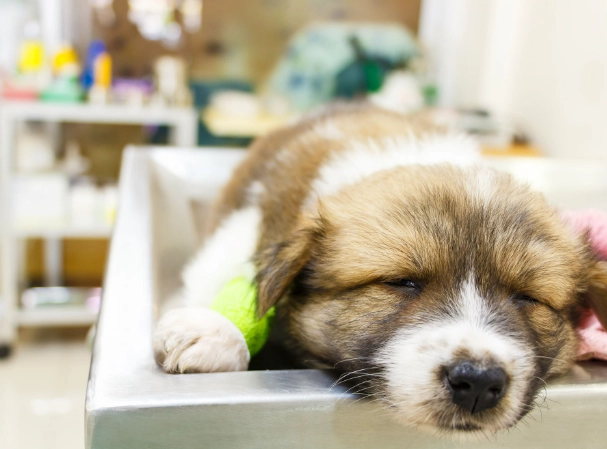
1. Direct Dog-to-Dog Contact
2. The Environment: A Long-Term Reservoir
3. People as Passive Carriers (Fomite Transmission)
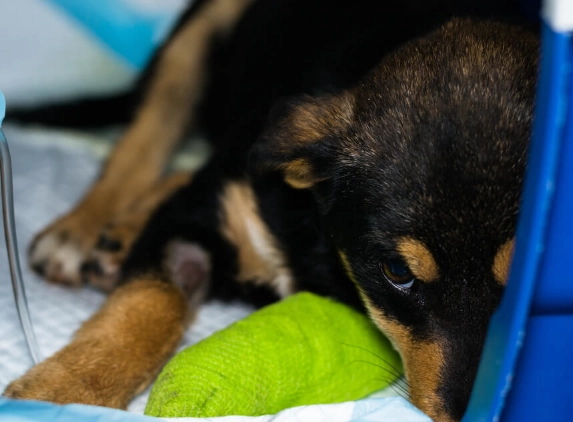
Which Dogs Are Most at Risk? It's Not Random
How Can I Prevent My Dog from Getting Parvo?
The Non-Negotiable: Vaccination
Manage Your Puppy's Environment (The "Socialization vs. Safety" Balance)
Be Your Own Biosecurity Agent
If Exposure Happens: Signs, Treatment, and Nuclear-Level Cleaning
How to Disinfect Your Home After Parvo
Surface Type
Recommended Solution
Key Notes
Non-porous surfaces
(floors, crates, bowls)Household bleach diluted 1:32 with water (½ cup bleach per gallon of water)
Contact time of at least 10 minutes is crucial. Rinse food/water bowls thoroughly after.
Yard/Soil
Extremely difficult to fully disinfect.
Diluted bleach can kill surface grass. The best advice is to restrict future puppy access for as long as possible (6-12 months).
Fabrics & Bedding
Wash with bleach in hot water. If bleach-safe, add 1 cup to wash.
For non-bleach items, use a commercial disinfectant labeled as "parvocidal."
Yourself (Hands)
Soap and water are effective at physically removing virus particles.
Hand sanitizers are NOT effective against non-enveloped viruses like parvo.
Your Top Parvo Transmission Questions Answered