Can You Give Dogs Benadryl? A Vet's Complete Safety Guide
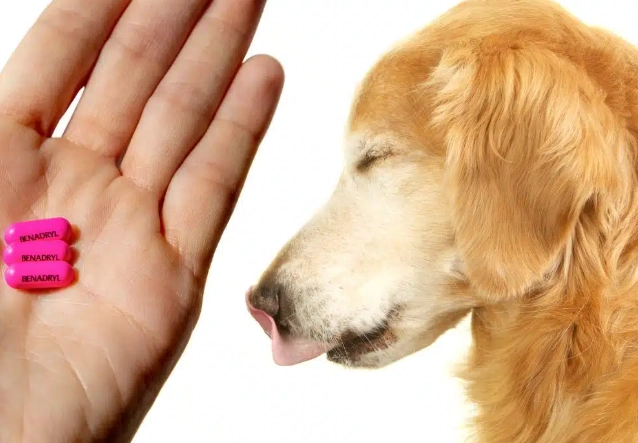
You're staring at your dog, who's scratching himself raw, or maybe his face is puffy from a bug bite. Your own bottle of Benadryl sits in the medicine cabinet. The question pops into your head: can I give my dog Benadryl? The short, vet-approved answer is yes, diphenhydramine (the active ingredient in most Benadryl products) is generally safe for dogs. But—and this is a huge but—only when used correctly for the right reasons, with the exact dosage, and with a full understanding of the risks. Get any of those parts wrong, and you move from helpful to harmful. Let's cut through the online noise and get into the precise details you need. Benadryl is an antihistamine. It blocks histamine, the chemical your dog's body releases during an allergic reaction. Think of it as a temporary band-aid, not a cure. It manages symptoms. Good reasons to consider it: Mild Allergic Reactions: This is its primary use. Think seasonal allergies (itchy skin, red eyes), reactions to a vaccine (a little facial swelling), or a single bee sting (localized swelling, not full-blown anaphylaxis). It takes the edge off the itch and reduces swelling. Motion Sickness (with a big caveat): Some vets recommend it for car sickness. The drowsiness can help. However, I've found it's about 50/50. For every dog it calms, another just gets droopy and still feels nauseous. There are better prescription options. As a Mild Sedative (for specific, non-anxiety events): Maybe your dog needs to stay calm post-surgery or during a long flight where sedation is advised. Your vet might suggest Benadryl as part of the plan. This is where experience matters. I've seen well-meaning owners make these errors. Glaucoma, Heart Disease, or High Blood Pressure: Benadryl can worsen these conditions. If your dog has any pre-existing issue, the vet must green-light any new med. Pregnancy or Nursing: Just don't. Using it with Certain Medications: It can interact badly with other sedatives or drugs for seizures. Always give your vet the full list of what your dog is on. For Severe Allergic Reactions (Anaphylaxis): If your dog is struggling to breathe, collapsing, or has widespread hives and vomiting, this is a 911 emergency. Benadryl is too slow and weak. Rush to the emergency vet. The standard safe dosage for dogs is 1 milligram (mg) of diphenhydramine per pound of body weight, given 2-3 times a day. Let's make this foolproof. First, you need the right product. Grab only plain Benadryl (diphenhydramine HCl). Check the label. If it says "Benadryl Allergy Plus Congestion" or has any other active ingredient like pseudoephedrine or acetaminophen, put it back. Those are toxic to dogs. Most common tablets are 25 mg. So, a 25-pound dog gets one 25 mg tablet. A 50-pound dog gets two. But what about a 17-pound dog? You can't just give a whole pill. This is where liquid children's Benadryl (often 12.5 mg/5 mL) can be easier for accurate dosing. Always double-check the concentration. Non-Negotiable Step: Before you give the first dose, call your veterinarian. Confirm the dose for your specific dog and the reason you're using it. This call could prevent a disaster, especially if your dog has an underlying condition you're not aware of. Most dogs handle Benadryl just fine. The most common side effect is drowsiness. Dry mouth and urinary retention can happen too. They're usually mild. But here's the subtle error few talk about: the paradoxical reaction. Instead of getting sleepy, some dogs become hyperactive, agitated, or anxious. Their heart might race. If your dog seems wired after Benadryl, stop giving it. It's not for him. Now, the silent killer I mentioned: Xylitol. This artificial sweetener is highly toxic to dogs, causing rapid insulin release and liver failure. Some liquid Benadryl formulations, especially children's varieties or store-brand generics, contain xylitol. You must read the entire inactive ingredients list on the label. If you see xylitol, do not use it. When in doubt about an ingredient, a resource like the ASPCA Animal Poison Control Center website can be a lifesaver for checking toxicity. Let's walk through a real example. It's a summer evening, and your 30-pound Beagle, Max, comes in from the yard pawing at his muzzle. You see a small bee sting on his lip, and it's starting to swell. 1. Assess: Max is alert, breathing normally, and just annoyed by the swelling. This is a mild, localized reaction. Good candidate for Benadryl. 2. Calculate: 30 lbs x 1 mg = 30 mg dose. Your tablets are 25 mg each. Giving one (25 mg) is safe and effective, slightly under-dosing is better than over. 3. Administer: Hide the pill in a small glob of peanut butter (make sure it's xylitol-free!), cream cheese, or a piece of boiled chicken. Watch him swallow it. 4. Monitor: Over the next hour, the swelling should start to subside. He might get sleepy. If the swelling spreads to his neck or he seems lethargic beyond normal drowsiness, you call the vet. 5. Follow-up: You can give another dose in 8 hours if needed, but for a single sting, one dose often does the trick. This approach is methodical. It removes panic and replaces it with a plan. So, can you give your dog Benadryl? You can, but it's a tool that demands respect. It's not a cure-all. It's a specific medication for specific situations. The golden rule never changes: when in doubt, pick up the phone and call your vet. That single action is the most responsible thing you can do as a pet owner.
What You'll Learn in This Guide
When to Use Benadryl for Your Dog (And When to Run the Other Way)
When Benadryl is a Hard No
The Benadryl Dosage Calculator: No Guesswork Allowed
Dog's Weight
25 mg Tablet
12.5 mg/5mL Liquid
Max Frequency
10 lbs
½ tablet
4 mL (~10 mg)
Every 8-12 hrs
25 lbs
1 tablet
10 mL (25 mg)
Every 8-12 hrs
50 lbs
2 tablets
20 mL (50 mg)
Every 8-12 hrs
75 lbs
3 tablets
30 mL (75 mg)
Every 8-12 hrs
Side Effects & The One Ingredient That's a Silent Killer
How to Actually Give Your Dog the Pill (A Step-by-Step Scenario)

Your Top Benadryl Questions, Answered