What Do Snakes Eat? A Complete Guide to Snake Diets and Feeding
You see a snake, and the question pops up. What does it eat? Mice? Bugs? Something bigger? The answer is more fascinating and varied than you might think, and if you're a snake owner, getting it wrong can have serious consequences. I've spent over a decade keeping various species, from tiny garters to hefty boas, and I've seen the good, the bad, and the ugly when it comes to snake diets. Let's cut through the myths and Hollywood nonsense. A snake's diet isn't a one-size-fits-all menu; it's a precise biological requirement shaped by millions of years of evolution. Understanding what snakes eat means looking at the wild first, then translating that knowledge for the snakes in our care. It's not just about throwing a mouse in a tank. Forget the cartoon image of a snake just eating rabbits. In reality, snake diets are incredibly specialized. The main factor? The snake's species and its size. A tiny threadsnake couldn't eat a rabbit if it tried, and a massive anaconda isn't hunting crickets. We can break it down into a few major dietary categories. This specialization is key – a snake evolved to eat fish usually won't touch a mouse, and vice versa. I remember talking to a herpetologist from the Smithsonian's National Zoo who emphasized this point: a snake's skull and jaw morphology are direct maps to its diet. A kingsnake has a robust skull for crushing lizard bones, while an egg-eater has almost no teeth and an incredibly flexible jaw to swallow eggs whole. Trying to force a snake into the wrong dietary category is a recipe for stress and malnutrition. Here's a nuance many miss: many snakes start life eating one thing and graduate to another. A baby ball python might take a pinky mouse, but an adult needs a small rat. A young garter snake eats worms, but a large adult might readily take fish. The prey size and type must scale with the snake. How they get the food is just as cool as what the food is. Snakes don't have claws or powerful limbs. Their entire strategy is built around stealth, patience, and specialized weaponry. Think boas, pythons, vipers. They find a high-traffic area—a rodent run, a game trail—and coil up. They might wait for days. Their camouflage is perfect. When prey wanders into strike range, they launch with astonishing speed. Constrictors wrap and squeeze, not to crush bones, but to stop circulation and breathing. Venomous snakes deliver a quick, often precise bite and then track the dying animal using their Jacobson's organ (that flicking tongue). It's an energy-efficient method. They invest very little until the payoff moment. Garter snakes, racers, and kingsnakes fall here. They're on the move, poking their heads under logs, through leaf litter, and into burrows. They use sight, smell, and vibration to find prey. A kingsnake, for instance, will follow the scent trail of another snake. This method burns more calories, so these snakes often eat more frequently, but smaller meals, compared to a massive python that might eat a deer and not need another meal for months. The swallowing process is universal, though. Unhinging jaws is a bit of a misnomer. Their lower jaws aren't fused at the chin—they're connected by stretchy ligaments. They can move each side independently, "walking" their mouths over the prey. It's a slow, methodical process. Saliva helps, but they're not chewing. It goes down whole. Expert Note: A common anxiety for new owners is watching their snake eat. The process looks strenuous. It is. It's a massive physical effort. The worst thing you can do is disturb them during this time. Give them absolute privacy for at least 24-48 hours after feeding to digest in peace. Interruption can cause regurgitation, which is severely stressful and harmful. This is where theory meets practice. Your pet snake's diet should mimic its wild counterpart's as closely as possible, but with crucial modifications for safety and convenience. The Golden Rule: Frozen-Thawed (F/T) Prey. This is non-negotiable for most common pet species. Live rodents can fight back, inflicting serious bites, scratches, and infections on your snake. A study cited by the USDA on rodent-transmitted diseases highlights the risks. F/T prey, purchased from reputable rodent breeders, is humanely euthanized, frozen to kill parasites, and nutritionally complete. It's safer, more ethical, and easier to store. Let's get specific. Here’s what you're most likely feeding: Ball Pythons, Corn Snakes, Kingsnakes, Milk Snakes: These are your rodent specialists. Mice for juveniles and smaller adults, rats for larger adults. The prey size should be roughly the same width as the snake's body at its widest point. A bulge is okay; a massive distention is not. Garter Snakes: More varied. They thrive on a diet of nightcrawlers (earthworms), gut-loaded crickets, and appropriately sized pieces of frozen-thawed fish like silversides. A common mistake is feeding only goldfish, which contain thiaminase, an enzyme that can cause vitamin B1 deficiency. Variety is critical here. Green Tree Pythons, Emerald Tree Boas: Primarily small birds and rodents in the wild. In captivity, they do well on F/T mice or rats. Their striking and feeding posture is unique—they dangle from a perch and strike downward. Hognose Snakes: In the wild, they love toads. In captivity, most will readily accept F/T mice, especially if scenting techniques are used for fussy individuals. 1. Thaw Safely: Move the frozen rodent from freezer to fridge overnight, or place the sealed bag in cool water until fully thawed. Never use a microwave—it creates hot spots that can burn the snake's gut. I've made some of these myself early on. Learning from them is what matters. Overfeeding. This is the big one. Snakes have slow metabolisms. In captivity, with no need to hunt or escape predators, they get fat easily. A fat snake isn't a healthy snake; it's a snake at risk for fatty liver disease and a shortened lifespan. That slight bulge after eating? It should be gone within 48-72 hours. If your snake looks like a stuffed sausage all the time, you're feeding too much or too often. Underestimating the Importance of Husbandry. A snake won't eat if it's stressed or cold. If your temperatures are off (no proper warm basking spot of 85-90°F for most species), if the enclosure is too bare and doesn't offer security, the snake will refuse food. The problem isn't the diet; it's the environment. Panicking Over a Refusal. Snakes, especially ball pythons, are famous for going off feed. Breeding season, shedding, a minor environmental change—all can trigger a fast. A healthy adult snake can go months without eating. The immediate response shouldn't be to offer a different prey item daily. That adds stress. Check your husbandry, ensure the prey is warmed properly, and if all is well, wait a week and try again. Constant pestering makes it worse. Feeding Prey That's Too Large. It can cause regurgitation or, in a worst-case scenario, a fatal rupture. The width rule is your best friend. What is the most common food for pet snakes? Frozen-thawed rodents are the absolute staple for the vast majority of pet snakes you'll encounter—think ball pythons, corn snakes, kingsnakes. We're talking mice and rats, sized appropriately. You buy them from specialty reptile suppliers, not pet stores that sell them as live pets. These feeders are raised to be nutritionally complete and disease-free. The move away from live feeding isn't just trendy; it's a major welfare and safety upgrade for the snake. How often should I feed my pet snake? This is where people mess up by using a single schedule. It's not like feeding a dog. A growing baby corn snake might eat a pinky mouse every 5 days. A sub-adult ball python might take a small rat every 10 days. A large, adult boa constrictor might only need a large rat every 3-4 weeks. My rule of thumb: juveniles eat more frequently for growth (5-7 days), most adults do well on 10-14 days. Watch the snake's body condition, not the calendar. A lean, muscular triangle shape is good; a round, doughy body means cut back. My pet snake refuses to eat. What should I do? First, check the basics with a critical eye. Is the hot spot actually hot enough? Use a digital thermometer. Is the hide snug and secure, or is it a giant cave? For ball pythons, try a different approach: offer at night, use a blackout cover over the front of the enclosure, or try a different prey type (like an African soft-furred rat, which is a natural prey item). Sometimes, they're just being ball pythons. If a previously good eater stops for more than 2-3 months and is losing significant weight, then it's time for a vet visit to rule out parasites or other illness. Can snakes eat fruits or vegetables? No. Never. Their digestive systems are designed to process animal protein and bone, not cellulose or sugars. Offering plant matter provides zero nutrition and can sit in their gut and rot, leading to impaction and serious illness. They are strict carnivores. Any source suggesting otherwise is dangerously misinformed. Is it okay to feed my snake wild-caught prey? This is a hard no. Wild rodents and insects carry a cocktail of parasites, pesticides, and diseases that can devastate your snake. The risk of introducing mites, ticks, or internal parasites like nematodes is extremely high. The convenience isn't worth the potential vet bills and heartache. Stick with commercially bred feeder animals. Figuring out what snakes eat is the first and most important step in keeping them healthy, whether you're observing them in nature or caring for one at home. It's a commitment to understanding a completely different way of life. Get the diet right, and you've solved 80% of potential health problems before they even start. It's not about what's easiest for you; it's about what's right for the snake. When you see that clean, successful feeding response and watch your snake thrive with perfect sheds and alert behavior, you'll know you've cracked the code.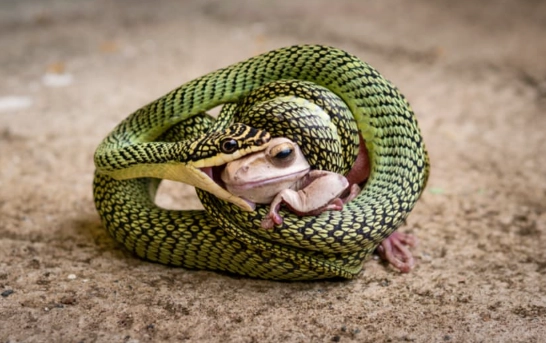
Quick Navigation: What's in This Guide?
What Do Snakes Eat in the Wild? It's a Bigger Menu Than You Think
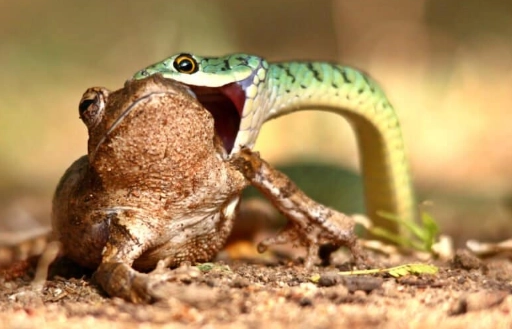
Dietary Specialization
Common Snake Examples
Typical Prey Items
Key Adaptation
Mammal Eaters (Rodenti-vores)
Rat snakes, Kingsnakes, Pythons, Boas, Many vipers
Mice, rats, voles, rabbits, bats
Powerful constriction or fast-acting venom to subdue warm-blooded prey.
Bird & Egg Eaters
Some rat snakes, Egg-eating snakes (genus Dasypeltis)
Nestlings, eggs, adult birds
Slender bodies for climbing; specialized vertebral spines in egg-eaters to crack shells.
Fish & Amphibian Eaters
Garter snakes, Water snakes, Tentacled snake
Fish, frogs, tadpoles, salamanders
Often semi-aquatic, with a preference for cold-blooded, aquatic prey.
Insect & Invertebrate Eaters
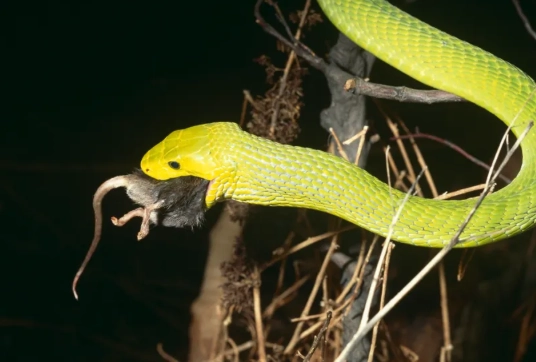
Rough green snake, Ringneck snake, Many small/young snakes
Earthworms, slugs, crickets, caterpillars, spiders
Small size, often foraging actively rather than ambushing.
Reptile Eaters (Ophiophagy)
Kingsnakes, Mussurana, King cobra
Other snakes, lizards
Immunity to venom (in some species), powerful jaws.
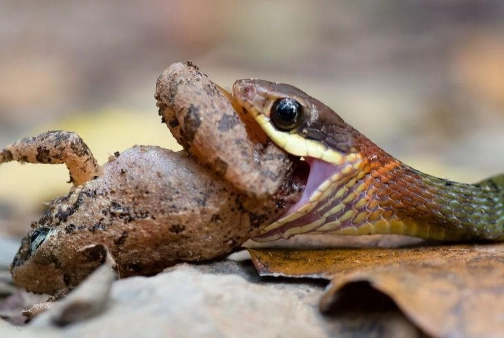
How Do Snakes Hunt and Eat Their Prey? The Mechanics of a Meal
1. The Ambush Predator: Sit and Wait
2. The Active Forager: The Seeker
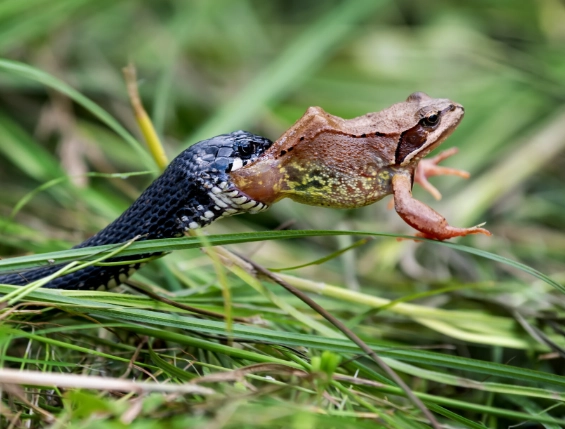
What Do Pet Snakes Eat? Translating the Wild to the Terrarium
The Staple Diets for Popular Pet Snakes
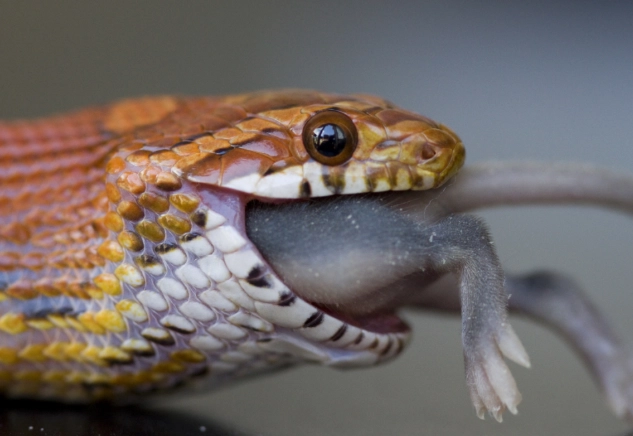
The Feeding Process: A Step-by-Step Walkthrough
2. Warm It Up: Before offering, warm the prey under hot tap water or with a hairdryer (not too close) to about 100°F (38°C). Snakes hunt by heat signature.
3. Use Tools: Always offer with long feeding tongs. This protects your fingers and prevents the snake from associating your hand with food (which can lead to defensive bites).
4. Offer in the Enclosure: Contrary to old advice, feeding in their home is less stressful than moving them to a separate bin. Just avoid handling them when they're in "feeding mode."
5. Walk Away: Leave them completely alone. No tapping the glass, no staring.Common Feeding Mistakes and How to Avoid Them
Your Snake Feeding Questions Answered