Parrot Lifespan: How Long Do Parrots Live and How to Extend Their Lives
So, you're thinking about bringing a parrot into your home. Or maybe you already have one perched on your shoulder. Either way, one question inevitably pops up: How long do parrots live? It's a simple question, but the answer is anything but. It's a question that carries decades of responsibility, joy, and potential heartache. The truth about parrot lifespan isn't just a number – it's a story written by species, care, and a bit of luck. Let's unravel that story together, from the tiny budgie to the majestic macaw. I remember when I first got into parrots. I read somewhere that a well-cared-for budgie could live 7-10 years. Mine made it to 12. I felt like a champion. Then I met people with cockatiels pushing 20, and macaws that were older than I was. That's when I realized the numbers we often see are averages, sometimes dangerously low ones. They're a starting point, not a finish line. Here's the deal: asking "how long do parrots live?" is like asking "how long do humans live?" It depends. A lot. But we can talk ranges, expectations, and most importantly, how you can influence which side of the range your bird falls on. Let's cut straight to the chase with a table. This isn't the whole story, but it's the foundation. Lifespans are often given as averages, but in the world of parrots, the outliers are what make headlines. Look at the budgie. 5-8 years is the common average. But dig into any serious budgie forum, and you'll find stories of birds hitting 12, 15, even 18. Why the huge gap? It often comes down to a subtle mistake many new owners make: treating them as "starter birds" with "starter care." That mindset alone can shave years off their life. Now, compare that to an African Grey. 40-60 years is a commitment that spans most of an adult human's life. I've met Greys in their 50s that are sharper than I am. Their potential to reach 80+ isn't just a possibility; it's a probability with dedicated, informed care. This is where the idea of "average" becomes almost meaningless. Your care dictates their reality. If I had to pick one factor that's most misunderstood, it's this: genetics sets the stage, but environment and care write the play. You can have a parrot from a lineage of centenarians, but if you keep it in a cramped cage with a poor diet, you're not going to see that potential. Let's break down the key factors. I'll share an insight that took me years to appreciate. Most articles talk about diet, vet care, and safety. Those are crucial, but they're the baseline. The real lifespan extenders are more nuanced. This is the biggest determinant, and it's non-negotiable. A budgie is not going to live 80 years. Knowing the natural lifespan range of your species is step one. But here's the non-consensus view: within a species, individual genetics matter less than we think for the average pet owner. Why? Because the care variability is so high that it often swamps genetic advantages. Sure, seek out a healthy bird from a reputable breeder, but don't obsess over finding "the one with good genes" at the expense of evaluating its current health and upbringing. Here's a mistake I see all the time. An owner proudly tells me, "I feed my parrot a high-quality pellet diet. Why do articles still say diet is a problem?" The pellets are great. They're a foundation. But they are not the entirety. Think of them as a multivitamin for humans. We still need fresh fruits, vegetables, and variety. Parrots are foraging animals. Their digestive systems and mental health thrive on variety and the physical act of working for food. A pellet-only diet misses essential nutrients, enzymes, and mental stimulation found in a diverse mix of fresh, bird-safe produce, nuts, seeds (in moderation), and even cooked grains and legumes. This is the silent killer. A cage can be spacious, but if it's barren, it's a prison. I've seen too many beautiful, large cages filled with... nothing. No foraging toys, no puzzles, no shreddables. The parrot spends its day pacing or sitting quietly. This chronic boredom and stress leads to feather plucking, self-mutilation, and a suppressed immune system. The mental environment is as critical as the physical space. Rotating toys, introducing novel foraging challenges daily, and providing social interaction (with you or another bird) are not luxuries; they are necessities for psychological well-being. Annual checkups are the bare minimum. I advocate for at least two visits a year for senior birds or those in challenging environments. But more importantly, it's about finding an avian vet before you have an emergency. Many general vets will see a parrot in a pinch, but their knowledge is limited. An avian specialist understands the unique physiology, common diseases, and subtle signs of illness that a parrot hides until it's often too late. Building a relationship with one means they get to know your bird's baseline, making it easier to spot deviations early. Parrots are not decorations; they are social flock animals. A parrot left alone for 10 hours a day is a stressed parrot. This stress might not manifest as screaming or biting immediately, but as chronic anxiety that erodes health from the inside. The quality and quantity of social interaction you provide directly impacts their mental state and, by extension, their physical health. This includes interaction with you, other birds (if appropriately introduced and supervised), or even the family dog or cat (again, with extreme caution and never unsupervised). Okay, so you know the factors. How do you translate that into daily action? Here's a plan that goes beyond the basics. I'll structure this as if we're building a care routine from the ground up, but I'll inject the non-consensus views I've picked up over the years. Diet: The Foraging Imperative Don't just put a bowl of pellets in the cage and call it a day. That's like feeding a human the same meal replacement shake every meal. It's nutritionally complete but psychologically deadening. Here's my concrete advice: Make them work for at least 30% of their daily food. This doesn't have to be complicated. Use a foraging toy, hide treats in crumpled paper, or simply scatter their pellets around the cage floor instead of in a dish. This mental work burns energy, prevents boredom, and stimulates their natural foraging instincts. A common mistake is buying a few foraging toys and leaving them in the cage for weeks. Rotate them. Keep the environment dynamic. I aim to introduce one new foraging challenge every week, even if it's just a simple one. Cage and Environment: Size Matters, But So Does Complexity The biggest cage you can afford is a good start, but it's not enough. Think vertical. Parrots climb. They need height to feel secure and to exercise. But here's the subtle error: many owners focus on horizontal space and forget about vertical enrichment. Ladders, ropes, and perches at different heights create a dynamic environment. Also, perches. Please, vary the diameters. Using only one size perch leads to pressure sores and arthritis in their feet. Offer natural wood branches of varying thicknesses (from safe, untreated trees like apple, manzanita, or dragonwood) to keep their feet healthy and exercised. Mental Stimulation: It's a Daily Practice, Not a Toy Rotation This is where I see the most well-intentioned owners fail. They buy a bunch of toys, throw them in the cage, and think the job is done. Mental stimulation is about engagement, not just object variety. Spend 15 minutes a day actively training your parrot. It doesn't have to be complex. Target training (touching a stick), recall training, or even teaching them to turn around on a perch builds communication and trust. This mental engagement is more tiring and satisfying than any number of toys left alone. Veterinary Care: Find an Avian Vet Before You Need One This is non-negotiable. Don't wait until your parrot is sick to search for a vet. Find one now, schedule a well-bird checkup, and establish a relationship. During that visit, discuss common issues for your species, ask about diet and weight management, and get a baseline health report. This proactive approach can catch potential problems early and save you heartache and money down the line. Let's get real for a moment. Parrots live a long time. This isn't a hamster we're talking about. It's a commitment that can span decades, sometimes even outliving their owners. This reality brings with it several considerations that often get glossed over in the excitement of bringing a new bird home. Planning for the Future: The Uncomfortable Conversation No one likes to think about it, but it's essential. What happens to your parrot if you outlive it? Or if you become unable to care for it? This isn't just about finding a new home; it's about legal and financial planning. Include your parrot in your will. Set up a trust or identify a specific guardian who is willing and able to take on the responsibility. Have a care plan document written out, detailing their diet, routine, preferences, and veterinary information. This document should be updated regularly and kept with your important papers. The Financial Commitment: It's More Than Just Food and Cage Think about the ongoing costs: high-quality food, toys, cage replacements, and most importantly, veterinary care. Avian vets are specialists, and their services often come at a premium. Regular checkups, potential emergencies, and the cost of medications all add up over a lifespan that can span decades. Are you financially prepared for that? The Lifestyle Commitment: Your Life Adapts to Theirs Parrots are not low-maintenance pets. They require daily interaction, mental stimulation, and a significant amount of your time and attention. Their noise level, potential for destruction, and social needs mean you can't just go on vacation for two weeks without planning for their care. Your social life, travel plans, and even your daily routine will need to accommodate their needs. Are you ready for that level of adaptation? Owning a parrot is one of the most rewarding experiences I can imagine. The bond, the intelligence, the sheer personality are unlike anything else. But it's also a massive responsibility. By understanding the factors that influence their lifespan and committing to providing the best possible care, you're not just getting a pet; you're gaining a companion that could be with you for a very, very long time. And that's something truly special.What’s Inside: Your Quick Guide to Parrot Longevity
Understanding Parrot Lifespan Ranges: From Budgies to Macaws
Common Parrot Species
Average Lifespan in Captivity
Potential Lifespan (with exceptional care)
Budgerigar (Budgie)
5 - 8 years
12 - 15 years
Cockatiel
10 - 15 years
20 - 25 years
Lovebird
10 - 15 years
20+ years
African Grey Parrot
40 - 60 years
80+ years
Amazon Parrot
25 - 50 years
70+ years
Macaw (Large species)
30 - 50 years
80+ years
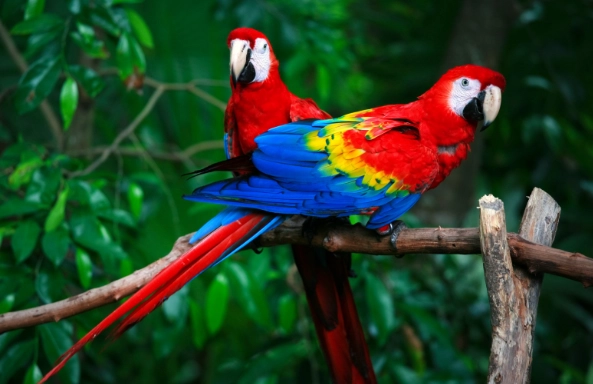
What Really Determines a Parrot's Lifespan? The Key Factors
1. Species and Genetics: The Starting Line
2. Nutrition: It's More Than Just Pellets
3. Environment and Mental Stimulation: The Cage is Not Enough
4. Veterinary Care: Prevention Over Treatment
5. Social Interaction and Bonding: The Underestimated Factor
How to Maximize Your Parrot's Lifespan: An Actionable Care Guide
The Reality of Parrot Lifespan: Commitment and Considerations