DHPP Vaccine for Dogs: A Complete Guide to Core Protection
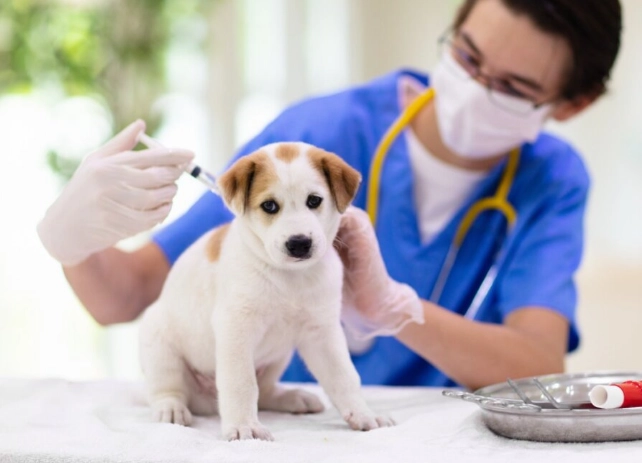
If you've brought home a new puppy or are reviewing your adult dog's medical records, you've almost certainly seen "DHPP" listed. It's the cornerstone of canine preventive care, but what does that alphabet soup actually mean? Simply put, the DHPP vaccine is a single shot that protects against four major, potentially life-threatening diseases: Distemper, Hepatitis (Adenovirus-2), Parvovirus, and Parainfluenza. Think of it as your dog's essential shield. Skipping it is a gamble with very high stakes. I've seen the consequences firsthand—a beautiful Labrador puppy named Max who came into the emergency clinic I worked with, stricken with parvovirus. His owners had delayed vaccinations, thinking he was safe in their backyard. The virus had other plans. The cost, both emotional and financial, was immense. That experience solidified for me why understanding this vaccine isn't just about checking a box; it's about making an informed choice for your dog's long-term health. Veterinary organizations like the American Animal Hospital Association (AAHA) classify vaccines as "core" or "non-core." Core means recommended for every dog, regardless of lifestyle or location, because the diseases are widespread, severe, and pose a significant public health risk (in some cases). DHPP is as core as it gets. Let's break down what each letter protects against, because knowing the enemy makes the defense strategy make sense. This is a nasty virus. It starts like a bad cold—runny eyes, fever, cough—but can attack the nervous system, leading to seizures, paralysis, and often death. Survivors may have permanent neurological damage. It spreads through the air and shared items, making it highly contagious. This isn't human hepatitis. It attacks a dog's liver, kidneys, eyes, and blood vessel linings. Symptoms range from mild fever to severe abdominal pain, vomiting, and liver failure. The Adenovirus-2 strain in the vaccine also protects against respiratory forms of the virus. This is the one that terrifies vets and responsible breeders. Parvo attacks the intestinal lining, causing severe, bloody diarrhea, vomiting, and rapid dehydration. It's especially deadly for puppies. The virus is incredibly tough, surviving in the environment for months or even years. A dog doesn't need direct contact with a sick animal—just sniffing the wrong patch of grass can be enough. This is one of the key players in "kennel cough" complex. It's a highly contagious respiratory infection causing a hacking cough. While not usually fatal on its own, it weakens the system and paves the way for secondary bacterial pneumonia. The schedule isn't arbitrary. It's designed to navigate around a puppy's maternal antibodies while ensuring lifelong protection with minimal, necessary boosters. Puppies get antibodies from their mother's first milk (colostrum). These protect them early on but also neutralize vaccines if given too soon. As these maternal antibodies fade between 6 to 16 weeks, we give a series of shots to "catch" the immune system as it becomes capable of responding. A typical, effective puppy schedule looks like this: That final booster at or after 16 weeks is critical. It ensures protection even if maternal antibodies were stubbornly hanging around. Your vet will give you a sticker or certificate with the due date for the next shot—put it in your calendar. After the puppy series, a booster is given at one year of age. Then, the conversation shifts. The old standard was annual boosters for everything. Modern guidelines, based on duration of immunity studies, support a 3-year interval for the core DHPP vaccine in healthy adult dogs. This is where a chat with your vet is key. They might use a 3-year vaccine labeled for such use, or they might recommend a titer test (a blood test to check immunity levels) in lieu of automatic vaccination. For senior dogs or those with chronic illnesses, the benefit vs. risk calculation is done at each visit. One nuance often missed: the "3-year" label refers to the minimum duration proven for that specific vaccine brand. Immunity often lasts longer. The three-year interval is a safe, conservative guideline, not a biological stopwatch. Most dogs handle the DHPP shot with zero issues. Maybe a nap in the car on the way home. But it's smart to know what's normal and what warrants a call to the vet. Common, Mild Reactions (Last 24-48 hours): You can let your dog rest, ensure they have water, and maybe skip the evening jog. A warm compress can help with soreness. Uncommon but Serious Reactions (Require Immediate Vet Attention): These severe allergic reactions usually happen within minutes to hours of the shot. This is why some vets suggest you wait in the clinic parking lot for 20-30 minutes after vaccination, especially if it's your dog's first time. The injection site lump deserves a special note. A small, pea-sized bump that goes away in a week or two is usually just local inflammation. If it grows, persists beyond a month, or changes texture, have your vet check it. In extremely rare cases, it can be associated with a tumor called a sarcoma. The risk is miniscule (far, far lower than the risk of the diseases), but awareness is part of responsible care. Cost varies wildly by location, clinic type (corporate vs. independent), and what's bundled in. A DHPP shot alone at a low-cost clinic might be $25-$35. At a full-service veterinary hospital, it's often part of a "wellness visit" package costing $50-$80, which includes the physical exam—the most valuable part. Don't skip the exam to save $30. That hands-on checkup is when your vet might catch a heart murmur, a skin issue, or dental problems early. The vaccine is the product, but the professional assessment is the service you're really paying for. For puppies, remember you're paying for the series (3 shots + the 1-year booster). Budget for the whole process. Some practices offer puppy plans that bundle all the vaccines, deworming, and exams for a flat fee, which can provide savings and predictability. Is the DHPP vaccine absolutely necessary for my dog? What is the typical DHPP vaccine schedule for a new puppy? My dog seems lethargic after the DHPP shot. Is this normal? My dog missed a DHPP booster. What should I do? Navigating your dog's healthcare can feel complex, but the DHPP decision is one of the clearest in veterinary medicine. It’s a preventative measure with a massive payoff. By understanding what it is, why it's given on a specific schedule, and what to watch for, you're moving from a passive pet owner to an active health advocate for your dog. That's the best care there is. Talk to your veterinarian at your next visit. Bring your questions. A good vet will welcome the dialogue and help you craft a plan that fits your dog's life perfectly. After all, that's the goal—a long, healthy, and happy life together, protected from preventable threats.
What’s Inside This Guide
Why the DHPP Vaccine is Non-Negotiable for Most Dogs

D – Canine Distemper
H – Hepatitis (Adenovirus-2)
P – Parvovirus
P – Parainfluenza
The DHPP Vaccination Schedule: Puppies to Seniors
The Puppy Series: Building the Foundation
Adult and Senior Dog Schedule: The Maintenance Phase
Life Stage
DHPP Recommendation
Key Notes
Puppy (6-16 wks)
Series of 3 shots, 3-4 weeks apart
Must complete series for reliable protection. Final shot ≥16 wks.
Adolescent (1 year)
1-year booster after puppy series
Completes the initial immunization protocol.
Healthy Adult (2+ years)
Booster every 3 years or per titer
Follow AAHA/AVMA guidelines. Discuss options with vet.
Senior/Compromised (7+ years)
Individualized plan
Health status, not just age, dictates need. Risk assessment is vital.
Recognizing and Managing Vaccine Side Effects
Breaking Down the Cost of DHPP Vaccinations
Your Top DHPP Questions Answered