Mange in Cats: Symptoms, Causes, and Effective Treatment Options
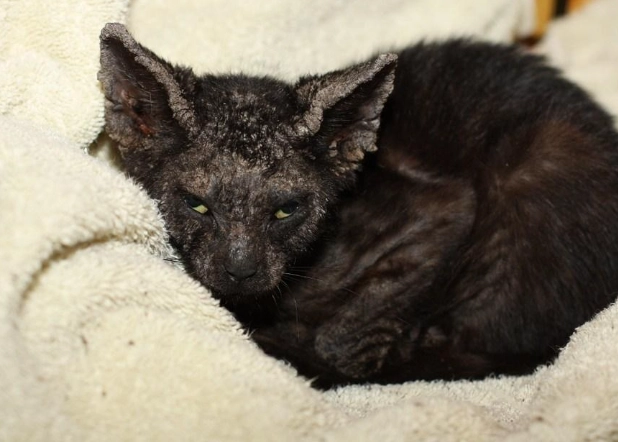
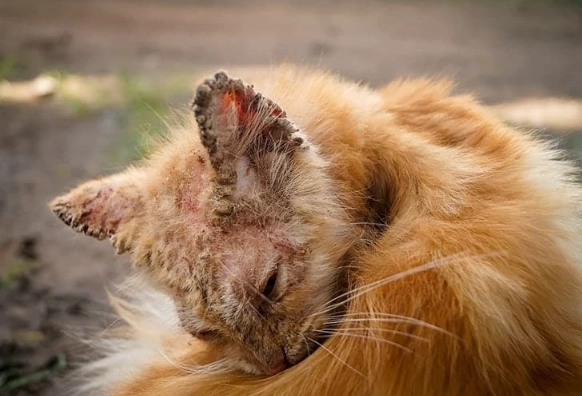
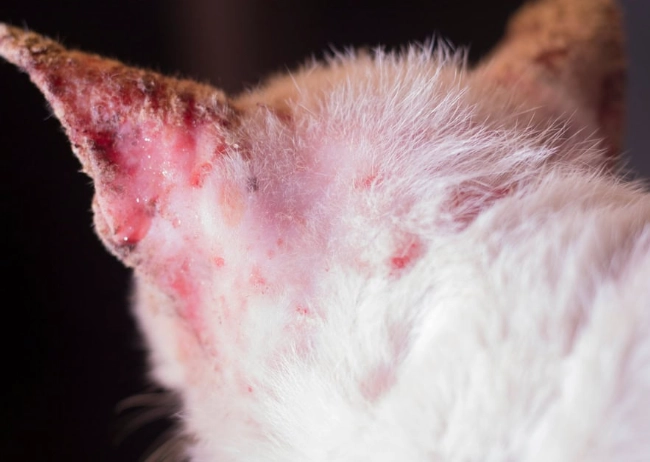
I remember the first time I saw a cat with mange. It wasn't my cat, but a friend's. She thought it was just a bad case of dandruff and allergies. "He's always been a bit itchy," she said. A month later, the cat had patches of raw, crusty skin and was miserable. The vet diagnosed sarcoptic mange. The treatment worked, but it was a longer, more stressful process than it needed to be. That experience taught me a hard lesson: mange in cats is often misunderstood, misdiagnosed, and underestimated until it becomes a serious problem. Let's get straight to the point. Mange is a skin disease caused by microscopic mites. It's uncomfortable, contagious in some forms, and won't go away on its own. But here's the good news: it's almost always treatable with proper veterinary care. The trick is knowing what to look for and acting fast. Forget the old-wives' tales about dirty animals. Mange has little to do with hygiene. It's an infestation. Tiny arachnids, related to spiders and ticks, burrow into or live on your cat's skin, causing intense irritation. There are two main culprits you need to know about, and they're very different. This one's sneaky. The Demodex cati mite is actually a normal resident of most cats' skin, living harmlessly in hair follicles. Problems arise when a cat's immune system can't keep the population in check. This often happens in kittens, elderly cats, or those with underlying illnesses like diabetes or FIV. It's usually not contagious to other healthy pets or people. There are two forms: localized (a few small patches, often on the face) and generalized (widespread). This is the nightmare scenario. Notoedres cati mites are highly contagious parasites that burrow into the skin, causing extreme, relentless itching. Unlike Demodex, these are invaders. They can spread rapidly through direct contact between cats and can even cause a temporary itchy rash in humans (a condition called "sarcoptic acariasis"). This type requires immediate, aggressive treatment and isolation. Early detection changes everything. The symptoms can overlap with allergies, fungal infections, or bacterial issues, but the pattern often tells the story. Look at the ears first. Sarcoptic mange has a weird affinity for the ear margins, causing crusty, thickened edges—a classic sign many vets recognize instantly. With Demodex, you might just see a little thinning of hair around the eyes, like your cat is going bald on the eyelids. The biggest mistake I see? Owners treating for "dry skin" or "allergies" with over-the-counter supplements for months while the mites multiply. If your cat is losing hair and scratching, a vet visit isn't optional. It's not just about "catching" mites. The cause is a combination of exposure and a compromised defense system. For Sarcoptic/Cheyletiella Mange: The primary cause is direct contact with an infected animal. This could be another cat, a stray, or even a wild animal like a fox. Boarding facilities, shelters, and multi-cat households are high-risk environments. The mites can survive in the environment (bedding, carpets) for a few days, making indirect transmission possible. For Demodectic Mange: Here's where it gets interesting. Every cat has Demodex mites. The trigger is almost always an internal problem that weakens the immune system's ability to regulate the mite population. Common underlying causes include: That last point is crucial. If your adult cat suddenly develops generalized demodectic mange, your vet must go on a detective hunt for an underlying illness. Treating the mites alone is like mopping the floor while the tap is still running. There is no one-size-fits-all cure. Treatment depends on the mite, the cat's health, and the infestation's severity. It always starts at the vet's office. Your vet will do a skin scraping. They'll gently scrape the surface of an affected area with a scalpel blade and examine the debris under a microscope. Finding mites confirms mange. Sometimes, mites are elusive, and a negative scraping doesn't rule it out. In those cases, vets may diagnose based on symptoms and response to treatment (a "therapeutic trial"). Modern treatment is thankfully less messy than the old lime-sulfur dips (though those are still effective). Common prescriptions include: Localized demodectic mange sometimes resolves on its own in kittens. But most vets will recommend treatment to prevent spreading. This is the step that separates a lasting solution from a temporary fix. For demodectic mange, this means comprehensive bloodwork (CBC, chemistry panel, FeLV/FIV testing) to find the immune weakness. For all mange cases, improving overall health is non-negotiable. Your vet might discuss: What you do at home is half the battle. Your cat is uncomfortable and stressed. Environmental Decontamination: For contagious mange (sarcoptic, cheyletiella), you must break the life cycle. Wash all bedding, blankets, and soft furnishings your cat uses in hot water (>130°F/55°C). Thoroughly vacuum carpets, furniture, and cat trees, and immediately dispose of the vacuum bag/canister contents. Some mites may survive, so repeat this weekly during treatment. In severe cases, environmental sprays approved for mite control may be needed. Supportive Care: Isolation is critical in multi-pet homes until your vet confirms the non-contagious nature of the mange or declares treatment successful. Mange in cats is a serious but manageable condition. The key is moving past the initial panic and into a mode of systematic action: vet diagnosis, targeted treatment, supportive home care, and addressing any underlying health gaps. By understanding the signs and causes, you become your cat's best advocate for a swift return to healthy, itch-free skin. Don't wait and see. If you suspect mites, get it checked. Your cat will thank you.
Quick Navigation
What Exactly Is Mange in Cats?
Demodectic Mange (Demodex cati)
Sarcoptic Mange (Feline Scabies)
Spotting the Signs: Symptoms You Can't Ignore
Symptom
Demodectic Mange
Sarcoptic Mange
Itching (Pruritus)
Mild to none in localized form; can be moderate in generalized.
SEVERE, constant, debilitating. The defining feature.
Hair Loss (Alopecia)
Patchy, often symmetrical. Common on face, ears, neck.
Intense, often starts on ear edges, spreading to face, neck, limbs.
Skin Appearance
Scaly, greyish skin; may have blackheads; redness is mild.
Thickened, wrinkled, crusty grayish-yellow skin ("crusts"). Red, inflamed sores from scratching.
Odor
Usually none.
Can develop a distinct, unpleasant odor due to secondary infection.
Onset & Spread
Slow, often limited to a few areas.
Rapid, aggressive spread over the body.
What Causes Mange in Cats?
How to Treat Mange in Cats: A Step-by-Step Plan
Step 1: Accurate Diagnosis
Step 2: Medical Treatment Protocols
Step 3: Addressing the Root Cause
Home Care and Environmental Management
Your Mange Questions Answered