Is Pumpkin Good for Dogs? Vet-Reviewed Benefits & Feeding Tips
Let's cut to the chase. Yes, plain pumpkin is excellent for most dogs. It's not some trendy superfood hype; it's a simple, fiber-packed kitchen staple that can genuinely help with common dog problems like diarrhea, constipation, and weight management. But—and this is a big but—how you feed it matters more than the fact that you're feeding it. Get it wrong, and you could make things worse. I've seen it happen. Over a decade of talking to vets and working with rescue dogs, I've used pumpkin more times than I can count. It's in my dog first-aid kit right next to the bandages. This guide will walk you through the real benefits, the precise "how-to," and the critical mistakes to avoid. Everyone talks about fiber. Sure, that's the star. Pumpkin is rich in soluble fiber, which absorbs water in the gut. This is why it's a bit of a digestive miracle worker—it can firm up loose stools and get things moving if they're stuck. But there's more in that orange flesh. Think of pumpkin as a multi-tool. The soluble fiber forms a gel-like substance that slows down digestion, which helps regulate blood sugar spikes after eating. This can be particularly useful for older or overweight dogs. It also helps your dog feel fuller on fewer calories, a neat trick for dieting pups. Then there are the vitamins. Beta-carotene (which converts to Vitamin A) supports eye health and the immune system. Vitamin C acts as an antioxidant. Potassium aids muscle function and hydration. It's a nutrient-dense, low-calorie package. Here’s a quick breakdown of what pumpkin can help with: A subtle point most guides miss: pumpkin's magic for anal glands. Impacted anal glands are a smelly, uncomfortable nightmare. Many vets, including sources I've consulted from the American Veterinary Medical Association (AVMA), recommend fiber as a first-line management tool. Firmer stools put more pressure on the glands during defecation, helping them empty naturally. It's a simple, preventive measure that can save you a vet visit for gland expression. This is where you can mess up. Good intentions, wrong execution. Let's get it right. 100% Canned Pumpkin Puree: This is the champion for convenience and consistency. The fiber content is reliable. Critical warning: You must read the label. It should say "100% Pumpkin" or "Pure Pumpkin." Do not, under any circumstances, buy "Pumpkin Pie Filling." It contains spices like nutmeg (toxic to dogs) and often sugar or xylitol (deadly). I keep a few cans in my pantry just for the dogs. Fresh Pumpkin: Great if you have it. Roast or boil chunks of plain sugar pumpkin or pie pumpkin (not the giant decorative ones, which are stringy and less nutritious), then mash it. It has more water, so the effect might be slightly less potent per spoonful. What about raw pumpkin? I don't recommend it. It's harder to digest and offers no real benefit over cooked. Cooking breaks down the cell walls, making the nutrients and fiber more accessible. More is not better. Too much fiber can backfire, causing gas, bloating, or even constipation. Start small. General Feeding Guideline: Add 1 teaspoon of plain pumpkin puree per 10 lbs (4.5 kg) of your dog's body weight to their regular food, once or twice a day. Do not exceed 1-2 tablespoons total per day for a large dog. For acute diarrhea, you might use this amount for 2-3 days. If things don't improve within 48 hours, call your vet—it could be something more serious. Let's put that into practice. Say you have a 30-pound Beagle with occasional soft stools. You'd start with about 1 tablespoon of puree mixed into its morning kibble. Watch the stool consistency and the dog's comfort. Adjust slightly up or down. You can just mix the puree into their kibble or wet food. But if you want to get creative: Pumpkin Kong Filler: Mix puree with a bit of plain yogurt, freeze in a Kong. Perfect for hot days or anxious chewers. Digestive Soother: For a dog with an upset tummy, mix the pumpkin dose with a little plain, boiled white rice and boiled chicken breast (no skin, no seasoning). This is the classic bland diet combo. Training Treats: Spread a thin layer of puree on a lick mat or use tiny dots as high-value, low-calorie rewards. One personal tip: I bake my own dog treats using pumpkin, oat flour, and an egg. They love them, and I know exactly what's inside. Pumpkin isn't a cure-all. It's a dietary supplement, not medicine. There are times it's ineffective or even risky. 1. Underlying Medical Conditions: If your dog has chronic diarrhea, diabetes, kidney disease, or pancreatitis, do not start adding pumpkin without your vet's explicit okay. The fiber and nutrient profile can interfere with medical management or specific prescription diets. 2. Severe or Sudden Illness: Pumpkin won't fix parvovirus, a blockage, poisoning, or a severe bacterial infection. If your dog is lethargic, vomiting, in pain, or has bloody diarrhea, go to the vet. Full stop. 3. Known Allergies: While rare, dogs can be allergic to squash or gourds. Signs include itching, hives, or gastrointestinal upset after eating it. 4. As a Meal Replacement: It lacks complete nutrition. Feeding too much pumpkin means your dog isn't eating enough of their balanced dog food. This can lead to deficiencies over time. The ASPCA Animal Poison Control Center lists many human foods that are toxic to dogs. While pumpkin itself is safe, the products we mix it with often aren't. This brings us to the next critical point. Some dogs turn their nose up at it. That's fine. Other high-fiber, dog-safe options can provide similar digestive benefits. The principle is the same: start with a small amount of any new food to see how your dog tolerates it. Can I give my dog pumpkin every day? What's the difference between canned and fresh pumpkin for dogs? My dog ate a whole pumpkin pie. What should I do? Are pumpkin seeds safe for dogs? So, is pumpkin good for dogs? Absolutely. It's a versatile, safe, and effective tool for a dog owner's toolkit. But remember its role. It's a helper, not a hero. It supports digestion, it doesn't replace a vet visit for serious issues. Get the type right, measure the dose, and watch your dog. When used smartly, that humble can of pumpkin can make life more comfortable for you and your best friend. I've seen it turn a messy situation around in a day. Just last month, a friend's dog got into the trash and had an upset stomach. A couple of meals with some pumpkin and rice did the trick. It's simple, but it works.
What You'll Find in This Guide
The Science-Backed Benefits (It's Not Just Fiber)
Common Issue
How Pumpkin Helps
Key Nutrient at Work
Diarrhea
Absorbs excess water, adds bulk to stools
Soluble Fiber
Constipation
Adds moisture and bulk to stimulate movement
Soluble Fiber & Water Content
Anal Gland Issues
Firms up stools, promoting natural expression
Soluble Fiber
Weight Management
Promotes satiety with minimal calories
Fiber & Low Calorie Density
Urinary Health
High moisture content supports hydration
Water & Potassium
Skin & Coat
Provides antioxidants and essential fatty acids (in seeds)
Vitamins A, C, E; Omega-6

How to Feed Pumpkin to Your Dog: A Step-by-Step Plan
Choosing the Right Pumpkin Product
Determining the Correct Dosage
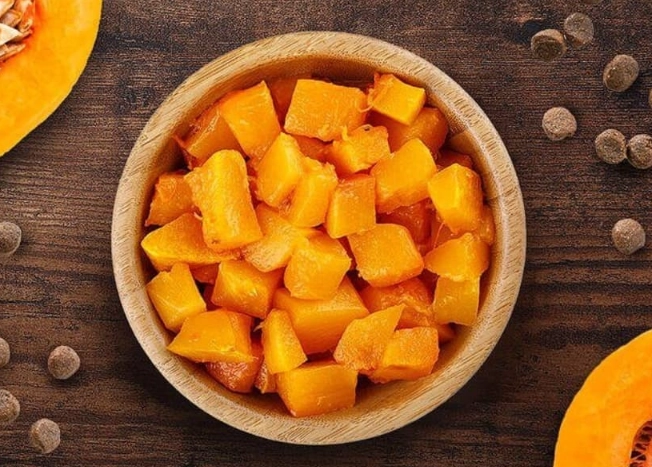

Preparation and Simple Recipes
When You Should NOT Feed Pumpkin to Your Dog
What If My Dog Hates Pumpkin? Safe Alternatives
Your Top Pumpkin-for-Dogs Questions, Answered