How Much Does a Horse Weigh? Average Weight & Breed Chart
What You'll Find in This Guide
So, how much does a horse weigh? The short answer is: it depends. Most horses fall between 900 and 2,200 pounds, but I've seen ponies under 500 pounds and draft giants pushing 2,500. If you're like most horse owners, you're not just curious—you need to know for health, feeding, and care. In this guide, I'll break down everything from average weights by breed to practical tips you won't find in generic articles. Let's cut to the chase.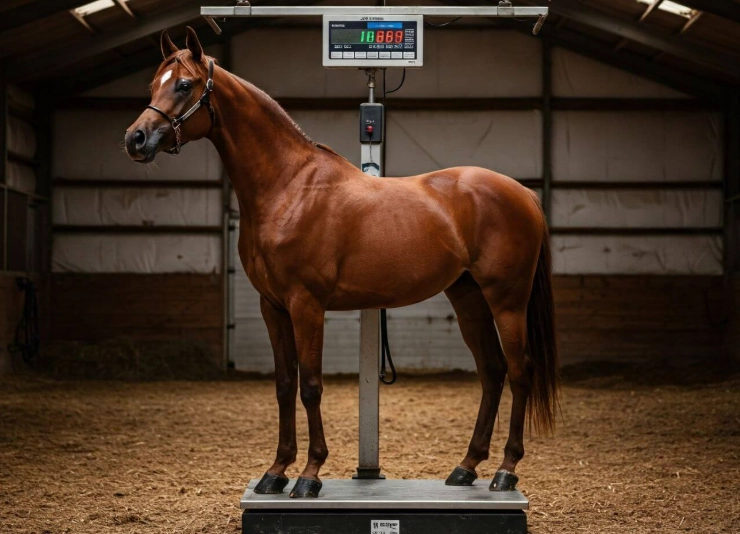
Understanding Horse Weight: Why It Matters
Weight isn't just a number. It's a direct window into your horse's health. Get it wrong, and you risk everything from laminitis to poor performance. I remember a client whose show jumper kept losing stamina; turns out, the horse was 150 pounds underweight because the owner misjudged its breed needs. According to the American Association of Equine Practitioners, weight management is a cornerstone of preventive care. It affects digestion, joint stress, and even mood.
Key Factors Affecting a Horse's Weight
Several things play into that scale reading. Breed is the big one—a Shetland pony won't weigh like a Percheron. Age matters too; young horses gain as they grow, seniors might drop weight due to dental issues. Sex can influence it, with stallions often heavier than mares. Then there's diet, exercise, and health conditions like Cushing's disease. One subtle mistake I see? Owners forget to account for seasonal changes. Horses naturally carry more weight in summer, less in winter, but over-supplementing in cold months can lead to obesity.
Pro tip: Don't rely on visual checks alone. Even experienced hands can be off by 10-15%. Use a weight tape or formula, and track trends over months.
How to Measure Your Horse's Weight Accurately
You can't manage what you don't measure. The gold standard is a livestock scale, but let's be real—most of us don't have one in the barn. Here's what works in the real world.
Tools and Methods for Weighing a Horse
Weight Tapes: Cheap and easy. Wrap it around the heart girth (just behind the withers). The reading gives an estimate. From my tests, it's within 5% of actual weight if done right. Keep the tape snug but not tight.
Formula Calculation: Use this: Weight (lbs) = (Heart Girth in inches x Heart Girth x Body Length in inches) / 330. Body length is from point of shoulder to point of buttock. It sounds technical, but with a helper, it takes 5 minutes. I've found it's surprisingly accurate for average-bodied horses.
Scenario: Imagine you have a 15-hand Thoroughbred. Girth is 70 inches, length 65 inches. Plug in: (70 x 70 x 65) / 330 = about 1,150 pounds. That's in the ballpark for the breed.
For draft horses, these methods can undercut by 10%, so adjust mentally. A study from the University of Kentucky's Equine Research Center notes that digital scales are best for precision, but tapes suffice for routine checks.
The Ideal Weight for Your Horse: A Breed-Specific Look
Here's where generic advice fails. A "healthy weight" for an Arabian isn't the same for a Clydesdale. Below is a table I compiled from years of handling different breeds. It's based on averages, but use it as a starting point.
| Breed | Average Weight (lbs) | Typical Range (lbs) | Notes |
|---|---|---|---|
| Arabian | 900 | 800-1,100 | Light build, often underestimated |
| Thoroughbred | 1,100 | 1,000-1,300 | Racing types leaner, show types heavier |
| Quarter Horse | 1,150 | 950-1,300 | Muscular; weight varies with discipline |
| Draft (e.g., Clydesdale) | 2,000 | 1,800-2,400 | Can exceed 2,500 if overfed |
| Pony (e.g., Shetland) | 450 | 400-600 | Easy to overfeed—watch treats! |
| Warmblood | 1,400 | 1,200-1,600 | Sport horses need careful monitoring |
Signs of Underweight and Overweight Horses
Look beyond the scale. For underweight horses, ribs visible from a distance, hip bones protruding, and a dull coat are red flags. Overweight horses might have a cresty neck, fat pads over the ribs, and difficulty breathing during exercise. I've noticed many owners miss the "fat crest" on ponies, thinking it's normal—it's not, and it leads to metabolic issues.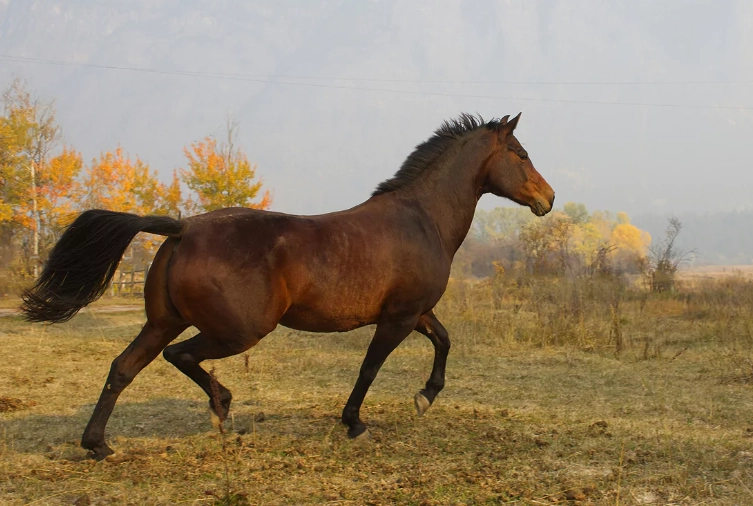
Body condition scoring (BCS) on a 1-9 scale is your friend. Aim for 4-6. The Henneke System is widely used; you can find charts online from sources like the Equine Science Society. But here's a non-consensus point: BCS isn't perfect for drafts. Their bulk can hide fat, so palpate the ribs—you should feel them with light pressure.
Personal story: My friend's Quarter Horse looked fine but scored a 7 on BCS. We adjusted hay intake, and within months, its energy improved. Small changes matter.
FAQ: Your Horse Weight Questions Answered

Wrapping up, knowing how much your horse weighs isn't just trivia—it's care. Start with the breed averages, measure regularly, and tweak diet and exercise. Remember, every horse is an individual. What works for one might not for another. Keep learning, stay observant, and your horse will thank you with years of health.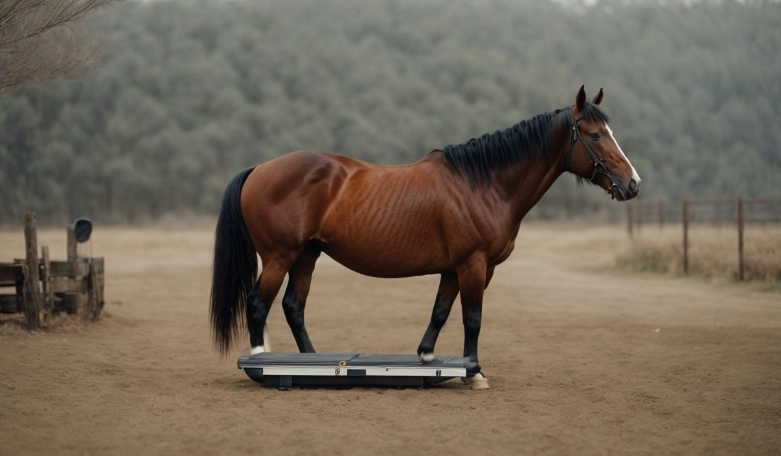
Related Articles