Worms in Cats: Symptoms, Treatment, and Prevention Guide
Let's talk about something a bit unpleasant but incredibly important: worms in cats. If you're reading this, you might be staring at something wriggly in your cat's litter box, or you've noticed your cat scooting across the carpet. Maybe your vet just mentioned "parasite prevention" at your last visit, and it got you thinking. Whatever brought you here, you're in the right place. I've been through this more times than I'd like to admit with my own cats over the years. The panic, the googling, the frantic vet calls. I want to save you some of that stress by breaking down everything you need to know about intestinal parasites in cats—not just the textbook basics, but the real-world stuff vets sometimes forget to mention.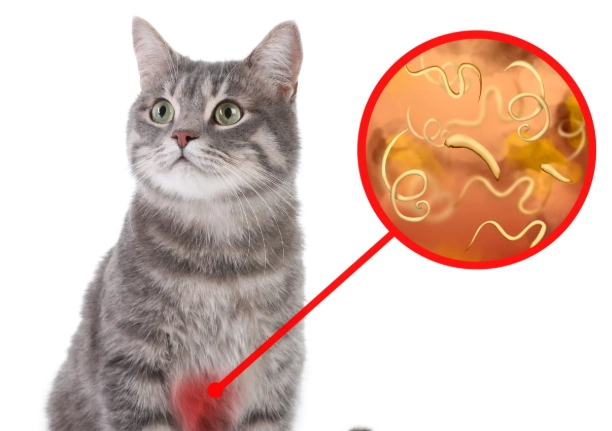
It's not just about a gross discovery. Worms can silently sap your cat's health, causing everything from a dull coat to life-threatening anemia. The good news? It's a manageable problem. Understanding the enemy is the first step to defeating it.
What’s Inside This Guide?
What Are the Most Common Worms in Cats?
Not all worms are created equal. They look different, cause different problems, and require specific approaches. Here’s a breakdown of the usual suspects you might be dealing with.
Roundworms: The Spaghetti-Like Invaders
These are the most common intestinal parasites in cats. They look like strands of cooked spaghetti, often 3-5 inches long. Kittens can get them directly from their mother's milk, which is why deworming schedules start so early. Adult cats pick them up from infected soil or by eating infected rodents. They live in the intestines and steal nutrients, leading to a pot-bellied appearance in kittens and weight loss in adults.
Tapeworms: The Segmented Hitchhikers
You won't usually see a whole tapeworm. What you see are small, white, rice-like segments near your cat's rear end or in their stool. They dry up and look like sesame seeds. The biggest myth? That only outdoor cats get them. The primary way cats get tapeworms is by ingesting a flea during grooming. One infected flea is all it takes. So, if you see tapeworm segments, you have a flea problem too.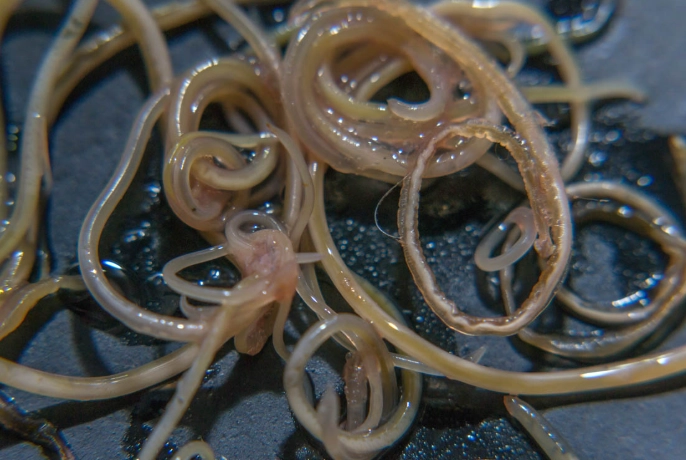
Hookworms: The Blood-Sucking Ninjas
These are small, thin worms that attach to the intestinal wall and feed on blood. They're particularly nasty because they can cause anemia, especially in kittens. Cats get them from contaminated soil, often through their skin or by ingestion. The signs can be subtle—weakness, pale gums—making them easy to miss until the problem is serious.
A Quick Note on Heartworm: While primarily a lung and heart disease, heartworm is transmitted by mosquitoes and is a growing threat to cats, even indoor ones. It's not an "intestinal" worm, but it's a critical part of any parasite prevention conversation. The American Heartworm Society recommends year-round prevention for all cats, regardless of lifestyle.
How Do Cats Get Worms? (The Real Transmission Routes)
"My cat is indoors only, so she's safe." I hear this all the time, and it's one of the most dangerous assumptions a cat owner can make. Let's break down the actual pathways.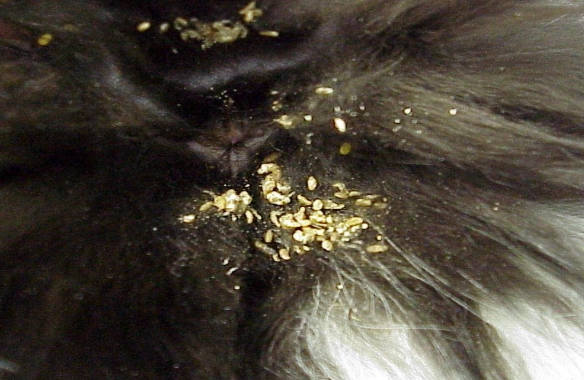
The Indoor Cat Risk: Your cat may never set paw outside, but the outside world comes to them. You walk outside. Your shoes pick up microscopic parasite eggs from soil. You walk inside. Your cat sniffs or licks your shoes. Transmission complete. Flies or other insects can also get inside and be hunted. And let's not forget the classic: a mouse or moth finds its way in and becomes a tasty, parasite-ridden snack.
The Flea-Tapeworm Cycle: This is non-negotiable. Tapeworm larvae develop inside fleas. Your cat grooms, swallows a flea, and the tapeworm is released. If you're treating worms but ignoring fleas, you're just spinning your wheels.
Hunting: This is the big one for outdoor or indoor/outdoor cats. Rodents, birds, and insects are common intermediate hosts for various parasites like roundworms and tapeworms.
What Are the Symptoms of Worms in Cats?
Sometimes the signs are obvious. Often, they're not. Cats are masters at hiding illness. Here’s what to look for, from the glaring to the subtle.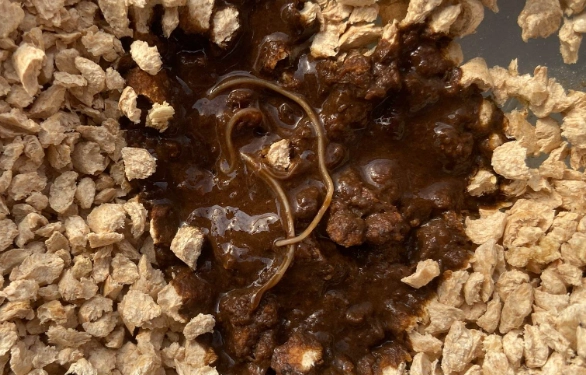
| Symptom | What It Might Look Like | Most Associated With... |
|---|---|---|
| Visible Worms | Whole worms or segments in vomit, stool, or around the anus. Tapeworm segments may move when fresh. | Roundworms, Tapeworms |
| Vomiting or Diarrhea | Vomit may contain worms. Diarrhea can be intermittent or chronic, sometimes with mucus or blood. | Roundworms, Hookworms |
| "Scooting" | Dragging their rear end along the floor. Often attributed to anal glands, but tapeworm segments can cause significant irritation. | Tapeworms |
| Change in Appetite & Weight | A bloated, pot-bellied look (especially in kittens) despite weight loss or poor growth. Some cats may eat more but still lose weight. | Roundworms, Hookworms |
| Dull Coat & Poor Condition | Fur looks unkempt, lacks luster. The cat just doesn't look "right." | General malnutrition from parasites |
| Lethargy & Weakness | Less playful, sleeping more. In severe cases, pale gums (sign of anemia) or collapse. | Hookworms, Severe Infestations |
The tricky part? A cat can have a mild worm burden and show no symptoms at all. That's why routine fecal exams and prevention are key, not just treatment when you see a problem.
How Do I Treat My Cat for Worms?
First, the golden rule: Don't guess. Over-the-counter dewormers from the pet store are often ineffective against all worm types and can be dosed incorrectly. Your vet needs to diagnose the specific parasite to prescribe the right medication.
The Diagnostic Step: The Fecal Exam
You'll bring a fresh stool sample to your vet. They'll use a microscope to look for parasite eggs. This is crucial because it tells you exactly what you're fighting. Some vets use in-house tests, others send it to a lab. Ask which they do.
Treatment Medications
Prescription dewormers are targeted and effective. Common active ingredients include:
- Pyrantel pamoate: Effective against roundworms and hookworms.
- Praziquantel: The go-to for killing tapeworms.
- Fenbendazole: A broad-spectrum option for roundworms, hookworms, and some tapeworms.
- Emodepside / Praziquantel (Profender): A topical "spot-on" treatment that's great for cats who are impossible to pill.
Treatment usually involves an initial dose, followed by a second dose 2-3 weeks later. Why the repeat? The first dose kills the adult worms. The second dose kills any larvae that have matured in the meantime. Skipping the second dose is a classic mistake that leads to reinfestation.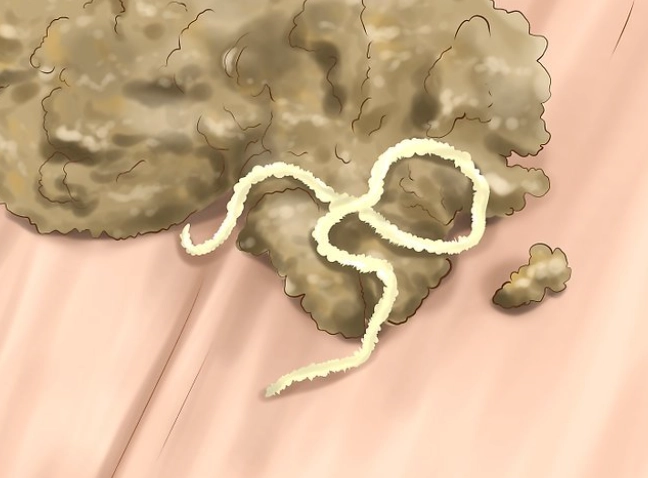
The Post-Treatment Cleanup: After deworming, thoroughly clean your cat's litter box. Wash their bedding in hot water. Vacuum carpets and upholstery well, especially if you saw tapeworm segments, as flea eggs will be present. This helps break the cycle and prevent reinfection from the environment.
How Can I Prevent My Cat from Getting Worms?
Treatment is reactive. Prevention is proactive and far less stressful. A solid prevention plan has multiple layers.
1. Year-Round Broad-Spectrum Parasite Prevention. This is your frontline defense. Many monthly topical or oral preventatives (like those containing selamectin or moxidectin) protect against heartworm, fleas, roundworms, and hookworms. You often need a separate product or a combination product for tapeworms. Discuss the best option for your cat's lifestyle with your vet.
2. Rigorous Flea Control. Since fleas = tapeworms, keeping your cat flea-free is non-negotiable. Use a vet-recommended product consistently, and treat your home if necessary.
3. Keep the Litter Box Immaculate. Scoop daily, change litter regularly, and disinfect the box periodically. This reduces environmental contamination.
4. Manage Hunting Behavior. For hunters, this is tough. Bell collars can help warn prey. Keeping cats indoors during dawn and dusk (prime hunting times) can reduce opportunities. Providing plenty of interactive play inside can satisfy their predatory instincts.
5. Regular Veterinary Check-ups. An annual or bi-annual wellness visit should include a discussion about parasite risk and a fecal exam. Don't wait for symptoms.
Your Burning Questions About Cat Worms Answered
Related Articles