Dog Liver Disease: Symptoms, Causes, and Lifesaving Treatments
You notice your dog isn't finishing his meals. He seems more tired than usual, maybe a bit wobbly. You brush it off as a bad day or getting older. But what if it's his liver whispering for help? Canine liver disease is a master of disguise. It doesn't shout; it hints. And catching those hints early can mean the difference between manageable care and a dire emergency. The liver is the body's chemical plant, handling everything from filtering toxins to digesting food. When it slows down, the whole system feels it. Let's cut through the confusion and talk about what liver illness really looks like in dogs, what causes it, and most importantly, what you can actually do about it.
What's Inside This Guide
The Symptoms You Might Miss
Forget the dramatic collapse you see in movies. Liver trouble starts quietly. The first sign is often just a loss of that spark. Your food-motivated pup turns his nose up at dinner. He sleeps a little longer, plays a little less. It's easy to attribute this to aging or a minor bug.
But then other clues trickle in. You might see a yellowish tint to his gums, the whites of his eyes, or even the skin inside his ears. That's jaundice, a classic sign that the liver isn't processing bilirubin properly. His belly might look swollen or feel tight – that's ascites, where fluid leaks into the abdomen because of pressure changes in the liver's blood vessels.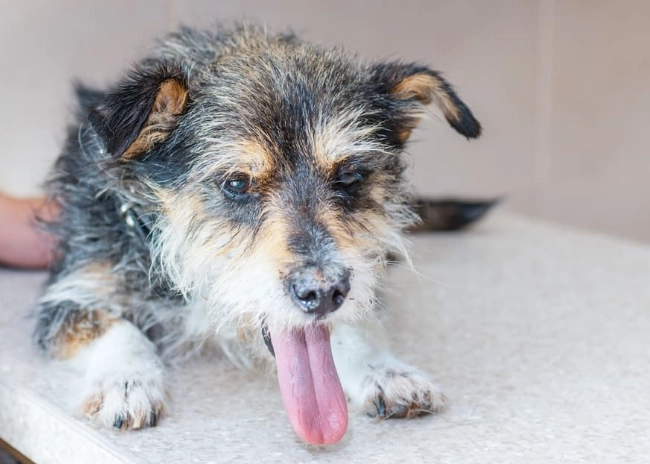
I remember a case, a sweet older Labrador named Bella. Her owner brought her in because she was "just being lazy" and had a potbellied look. The owner thought it was just weight gain from less exercise. We ran blood work, and her liver enzymes were through the roof. The potbelly was fluid, not fat. We caught it in time, but it was a close call. The owner felt terrible for missing it, but those early signs are so easy to explain away.
What's Actually Causing the Problem?
Pinpointing the cause is half the battle. It's not just one thing. Think of it in categories:
Toxins and Poisons
This is the sudden, acute cause. The liver works overtime to neutralize poisons and can get overwhelmed. Common culprits aren't always the obvious ones. Yes, rat poison is bad. But so are certain human medications (like acetaminophen or NSAIDs), xylitol (the sweetener in sugar-free gum and peanut butter), certain mushrooms, and even some seemingly harmless plants like sago palms. I've seen more liver cases from well-meaning owners giving a human painkiller than from intentional poisoning.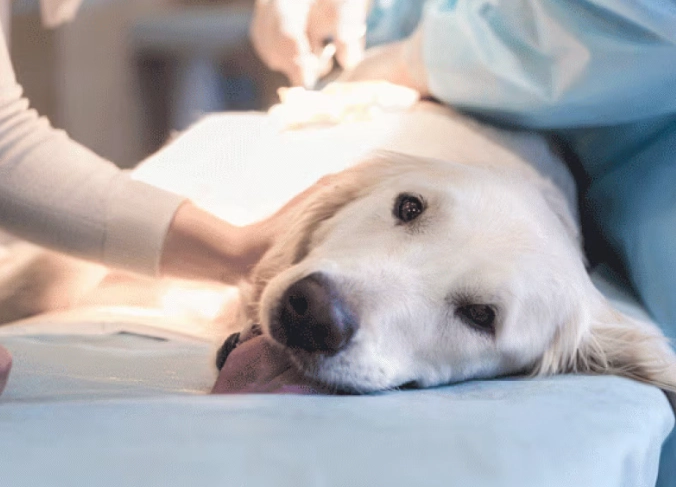
Infections and Inflammation
This is where terms like hepatitis come in. Infectious canine hepatitis (caused by a virus) is less common now due to vaccination, but bacterial infections can travel to the liver from elsewhere in the body. Leptospirosis, a bacterial disease from contaminated water, is a major one. Long-term, low-grade inflammation from an overactive immune system (chronic hepatitis) can also slowly scar the liver over years.
Metabolic and Breed-Related Issues
Some dogs are genetically wired for trouble. Copper storage disease, seen in Bedlington Terriers, Westies, and Dobermans, causes copper to build up in the liver, poisoning it from within. Portosystemic shunts (PSS), a birth defect where blood bypasses the liver, is another cause, especially in small breeds like Yorkies and Maltese.
And then there's hepatic lipidosis. This is a vicious cycle often triggered in overweight cats, but it happens in dogs too, usually secondary to another severe illness like pancreatitis or diabetes. The body dumps fat into the liver to use for energy, but the sick liver can't process it, so the fat just sits there and gums up the works.
Getting a Diagnosis: What to Expect at the Vet
You've noticed the signs and made the appointment. What now? Your vet won't just guess. Diagnosis is a step-by-step process to rule things out and find the root cause.
It starts with a detailed history. Be ready to answer: Any access to toxins? Any new foods, treats, or medications? Has there been vomiting or diarrhea? What's the color of his poop and urine? (Dark urine and pale, greyish poop are liver red flags).
Then comes the blood work. This is crucial. We look at specific liver enzymes (ALT, ALP), but here's a nuance many miss: high enzymes don't always mean current, active damage. They can stay elevated for weeks after an insult. More important are markers of liver *function*: albumin, cholesterol, bilirubin, and blood urea nitrogen (BUN). If these are off, the liver is struggling to do its job, not just irritated.
| Test | What It Measures | Why It Matters |
|---|---|---|
| ALT (Alanine Aminotransferase) | Liver cell damage | High levels mean liver cells are leaking contents; indicates active injury. |
| ALP (Alkaline Phosphatase) | Bile duct activity/cholestasis | Often elevated if bile flow is blocked. Can also rise with certain medications (like steroids). |
| Bilirubin | Bile pigment processing | High levels cause jaundice. Shows the liver can't excrete waste properly. |
| Albumin | Protein made by the liver | Low levels suggest the liver is failing to synthesize essential proteins. |
| Bile Acids Test | Liver's filtering capacity | A functional test. Blood samples taken before and after a meal show how well the liver is working. |
If blood work points to a problem, imaging is next. An ultrasound is invaluable. It's non-invasive and lets the vet see the liver's size, texture, and blood flow. They can check for masses, cysts, or that tell-tale shunt. Sometimes, they'll see a small, shrunken liver with a bumpy surface – that's cirrhosis, end-stage scarring.
The gold standard for many chronic liver diseases is a biopsy. Yes, it sounds scary. It involves a needle or small surgical sample. But it tells us exactly what kind of cells are involved, how much scarring there is, and can measure things like copper content. This information directly dictates the treatment plan. Is it an infection? An immune issue? Copper overload? The biopsy often has the answer when everything else is vague.
Treatment Options Beyond the Basics
Treatment isn't one-size-fits-all. It targets the specific cause, manages the symptoms, and supports the remaining healthy liver tissue.
For acute toxin exposure, it's all about decontamination and aggressive supportive care. Inducing vomiting, giving activated charcoal, IV fluids to flush the system, and specific antidotes if they exist (like N-acetylcysteine for acetaminophen).
For infections, it's antibiotics or antifungals. For chronic hepatitis, we often use anti-inflammatory drugs like prednisone or stronger immunosuppressants like azathioprine to calm the overzealous immune system attacking the liver.
A Note on Supplements: The supplement aisle is full of "liver support" products. S-Adenosylmethionine (SAMe) and silybin (the active part of milk thistle) have the most veterinary research backing them. They act as antioxidants and help protect liver cells and regenerate new ones. But here's my non-consensus point: Don't just grab any milk thistle from the health store. Many human formulations are poorly absorbed by dogs. Look for products specifically formulated for pets that use silybin bound to phosphatidylcholine for better bioavailability. And always, always run supplements by your vet first – what helps a healthy liver can sometimes stress a sick one.
Surgery is an option for specific cases. A portosystemic shunt can often be tied off or closed with a special coil, redirecting blood back through the liver. It can be curative. For some localized tumors or cysts, surgical removal might be possible.
The goal is always to manage the disease, reduce symptoms, and maintain quality of life. Sometimes, a cure isn't possible, but good management can give a dog years of happy, comfortable life.
Home Care and The Liver Support Diet
What you do at home is as important as the vet visits. Diet is the cornerstone of managing liver disease.
The liver's job is to process nutrients. A sick liver needs help. The ideal diet is:
- High in Quality, Digestible Calories: Weight loss is a huge enemy. We need to stop muscle wasting. Easily digested carbohydrates like rice or pasta provide energy without overtaxing the liver.
- Moderate in High-Quality Protein: Old advice said severely restrict protein. We've moved on. Too little protein causes muscle loss and worsens healing. We need enough high-quality, highly digestible protein (like eggs, dairy, or novel meats) to support repair, but not so much that it overwhelms the liver's processing capacity. Your vet will calculate the sweet spot.
- Lower in Sodium: This helps reduce fluid buildup (ascites) in the body.
- Supplemented with Zinc and B-Vitamins: Liver dogs are often deficient. Zinc can help reduce copper absorption and has antioxidant effects.
Many prescription diets (like Hill's l/d, Royal Canin Hepatic, or Purina Pro Plan NF) are formulated to hit these targets perfectly. They take the guesswork out. If you cook at home, you must work with a veterinary nutritionist. Getting the balance of nutrients wrong can do more harm than good.
Beyond food, monitor your dog closely. Weigh him weekly to catch subtle weight loss. Keep a log of his appetite, energy, and any vomiting. Watch for the emergency signs: sudden collapse, seizures, violent vomiting, or a distended, painful abdomen. That's a straight-to-the-emergency-vet situation.
Your Tough Questions Answered
Related Articles