Cat Vomiting: A Complete Guide to Causes and Home Care
You hear that sound. The hacking, the retching. You rush over, but it's too late. There's a wet pile on your favorite rug. Again. Cat vomiting is one of the most common, frustrating, and often worrying experiences for a cat owner. Is it just a hairball? Did they eat too fast? Or is it a sign of something serious? Let's cut through the guesswork. This guide isn't just a list of causes; it's a practical action plan drawn from years of dealing with finicky feline stomachs, helping you figure out when to grab a paper towel and when to grab your car keys.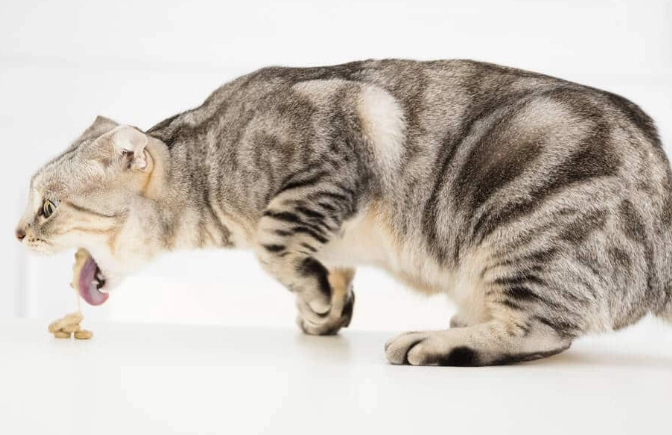
What's Inside?
The Usual Suspects: Most Common Reasons for Cat Vomiting
Not all vomit is created equal. The context—what it looks like, when it happens—holds the clues. Here’s a breakdown of the frequent culprits.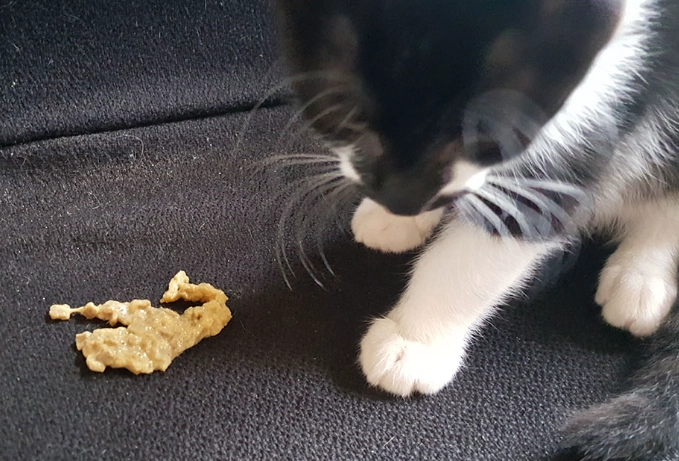
1. Hairballs: The Classic Culprit
This is often the first thing owners think of. Cats groom themselves constantly, swallowing loose hair. Usually, it passes through their system. When it doesn't, it forms a tubular mass in the stomach, leading to vomiting. The vomit typically contains a matted, cylindrical wad of hair, often with food or bile.
The subtle mistake: Assuming every episode of gagging and vomiting is a hairball. Many owners dismiss frequent vomiting as "just hairballs," potentially missing underlying issues like inflammatory bowel disease or food allergies that cause similar symptoms.
2. Dietary Indiscretion & Speed Eating
Cats can be their own worst enemies. Eating too fast, scavenging human food (especially fatty scraps), chewing on plants, or swallowing non-food items (like string or bits of toy) can irritate the stomach. "Bolt and barf" is a real phenomenon—a cat wolfs down food and vomits it back up, often undigested, minutes later.
3. Food Intolerance or Allergy
This is more than just a "sensitive stomach." An intolerance means difficulty digesting an ingredient (like certain proteins or grains), while a true allergy involves an immune response. Vomiting can be chronic and intermittent, often accompanied by diarrhea, itchy skin, or ear infections. It's a process of elimination to diagnose.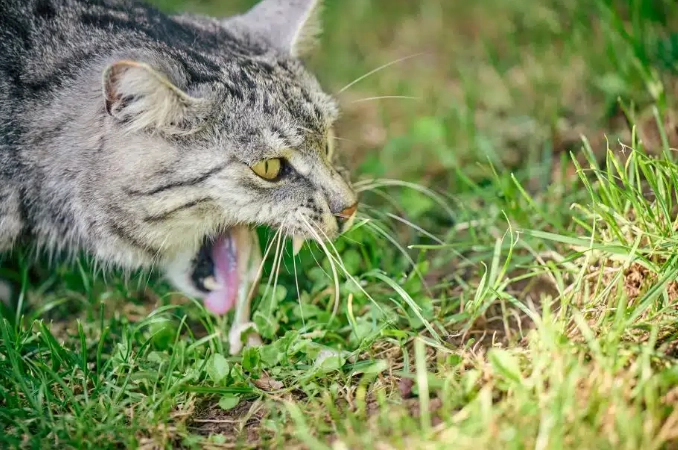
4. Underlying Medical Conditions
This is where we move from management to medicine. Persistent or severe vomiting can signal serious issues:
- Inflammatory Bowel Disease (IBD): A chronic inflammation of the digestive tract lining.
- Kidney Disease: Very common in older cats. Toxins build up in the bloodstream, causing nausea.
- Hyperthyroidism: An overactive thyroid gland speeds up metabolism, often leading to vomiting despite a ravenous appetite.
- Diabetes, Pancreatitis, Liver Disease: All can present with vomiting as a primary symptom.
| Vomit Appearance | Possible Cause | Typical Context |
|---|---|---|
| Undigested food, tubular shape | Hairball, speed eating | Soon after eating, occasional |
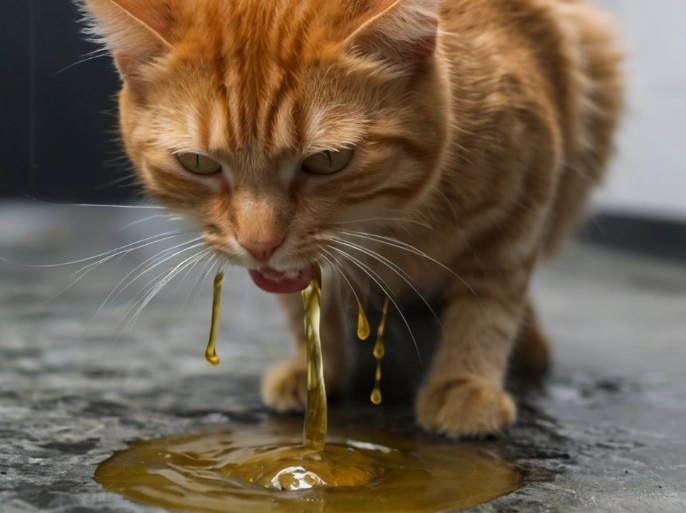
| Yellow fluid (bile) | Empty stomach, bile reflux | Early morning, between meals |
| White, frothy foam | Stomach acid irritation | Similar to bile vomiting |
| Partially digested food | Various (indiscretion, IBD, allergy) | Variable timing |
| Contains grass/plant material | Dietary indiscretion, self-medication | After outdoor access |
| Red or coffee-ground appearance | Blood in vomit – URGENT | Any time – requires immediate vet care |
Red Flags: How to Tell If Your Cat's Vomiting Is an Emergency
This is the most critical section. Knowing when to wait and when to act can be life-saving. If you see any of the following, contact your vet or an emergency clinic immediately.
- Frequency: Multiple episodes in a single day, or vomiting that persists for more than 24 hours.
- Blood: Fresh red blood or digested blood that looks like coffee grounds.
- Projectile Vomiting: Forceful expulsion, often indicating a blockage.
- Lethargy & Depression: Your cat is hiding, won't play, and seems "out of it." This is a huge red flag.
- Pain: Vocalizing, restlessness, or a hunched posture.
- Other Symptoms: Combined with diarrhea, refusal to eat or drink, or obvious abdominal swelling.
- Suspected Poison Ingestion: You know or suspect they ate something toxic (lilies, human medications, antifreeze).
A cat's body is small. They can become dehydrated and suffer organ damage from electrolyte imbalances much faster than a larger animal. Don't adopt a "wait and see" approach with these signs.
The First 24 Hours: A Step-by-Step Home Care Protocol
For a single, isolated episode where your cat otherwise seems normal (bright, alert, interested in food), you can try this conservative home management plan. This is not a substitute for veterinary advice.
Step 1: The Food & Water Reset
Withhold food for 4-6 hours, but NOT water. This gives the irritated stomach lining a chance to rest. Ensure fresh water is available. A common error is removing water, which can hasten dehydration.
Step 2: The Bland Meal Test
After the fast, offer a tiny amount of a bland, easily digestible food.
- What to use: Plain, boiled white chicken breast (shredded, no skin or seasoning) or plain, cooked white fish. A commercial veterinary gastrointestinal diet is ideal if you have it.
- How much: Start with a teaspoon-sized amount.
- What to watch: Wait 1-2 hours. If it stays down, offer another small amount. The goal is frequent, tiny meals.
Step 3: Gradual Reintroduction
If the bland food is tolerated for 24 hours, you can start slowly mixing in their regular food over the next 2-3 days. A sudden switch back can trigger vomiting all over again.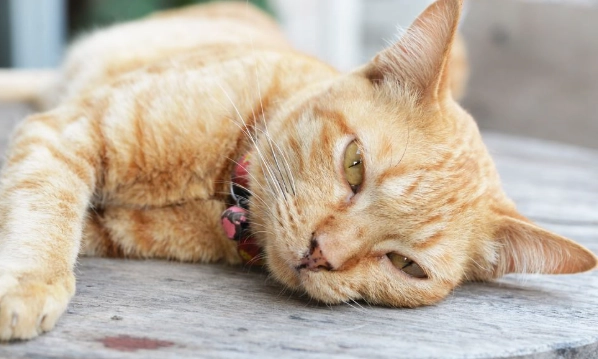
Beyond the Basics: What to Expect at the Vet
If home care fails or red flags are present, your vet will work like a detective. Be prepared to be a good witness. They'll likely ask:
- What does the vomit look like? (Photos help!)
- How often and when does it happen?
- What is your cat's diet (including treats)?
- Any access to plants, human foods, or small objects?
- Any changes in weight, appetite, water consumption, or litter box habits?
Diagnostic steps may include:
- Physical Exam: Palpating the abdomen, checking for dehydration, assessing overall condition.
- Bloodwork & Urinalysis: To check organ function (kidneys, liver, pancreas, thyroid) and for signs of infection or inflammation. Resources like the Cornell Feline Health Center emphasize the importance of baseline testing.
- Imaging: X-rays or ultrasound to look for foreign objects, masses, or intestinal abnormalities.
- Food Trial: For suspected allergies, a strict 8-12 week diet with a novel protein (like duck or rabbit) or hydrolyzed protein may be prescribed.
Long-Term Strategies: Preventing Future Episodes
Management is often key for chronic issues.
For Hairballs:
- Regular Brushing: This is the #1 most effective tactic. Less hair ingested means fewer hairballs.
- Hairball Diet or Supplements: High-fiber diets or gels (like petroleum-based laxatives) can help hair pass through the gut. Discuss options with your vet.
For Speed Eaters & Food Sensitivities:
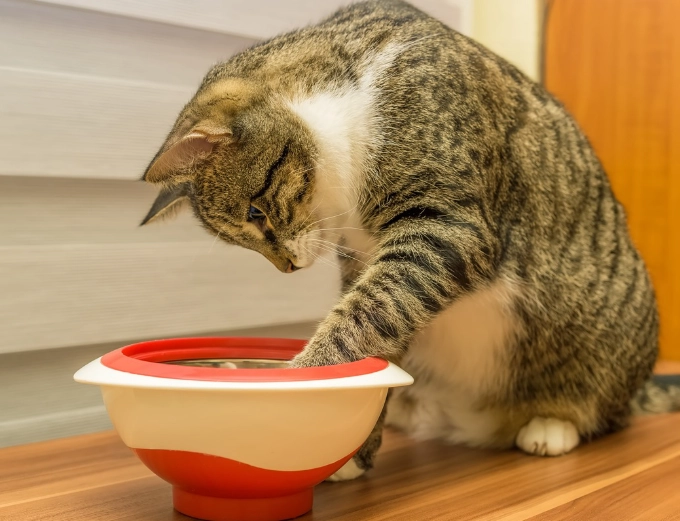
- Slow Feeder Bowls: Bowls with ridges or mazes force cats to eat slower.
- Frequent, Small Meals: Instead of one or two large meals, feed 3-4 smaller ones.
- Dietary Management: Work with your vet to identify a high-quality, appropriate diet your cat tolerates well. The American Animal Hospital Association (AAHA) provides guidelines on nutritional assessment.
Environmental Management:
Keep toxic plants, human medications, strings, and rubber bands out of reach. Be cautious with new treats or human food.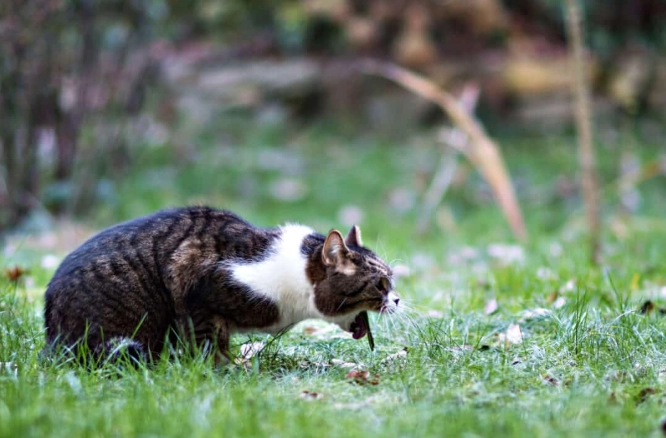
Your Top Questions, Answered
Dealing with cat vomiting is part science, part observation, and a lot of patience. Pay attention to patterns, trust your gut when something seems off, and build a good relationship with your veterinarian. Your cat's digestive health is a window into their overall well-being.
Related Articles