Dog UTI: Symptoms, Treatment, and Prevention Guide for Pet Owners
If your dog is peeing more often or having accidents inside, it might be a urinary tract infection. I've dealt with this twice with my own dogs, and let me tell you, catching it early saves a lot of hassle. UTIs are common but often misunderstood. This guide cuts through the noise to give you practical, vet-backed advice that works.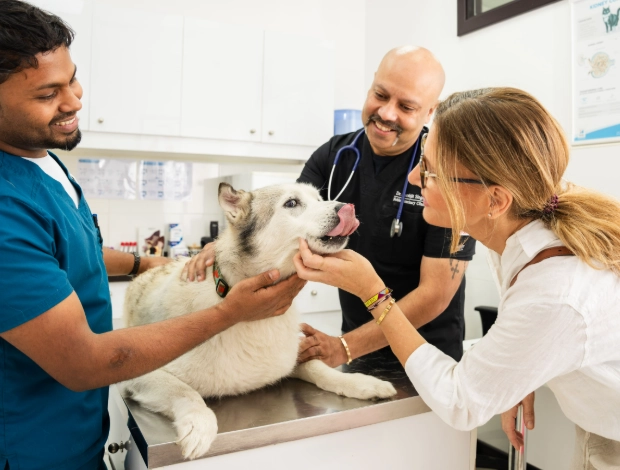
What You'll Find Inside
What Exactly is a Dog UTI?
A dog urinary tract infection is when bacteria, usually E. coli, gets into the urinary system. It can affect the bladder, urethra, or kidneys. Think of it like a plumbing issue—if there's a blockage or dirt, things don't flow right. Dogs don't show pain like humans do, so they might just seem off.
I remember my first dog, Max, acting lethargic. I thought he was just tired from play, but it was a UTI brewing. The American Veterinary Medical Association notes that UTIs account for a significant portion of vet visits, yet many owners miss the early signs.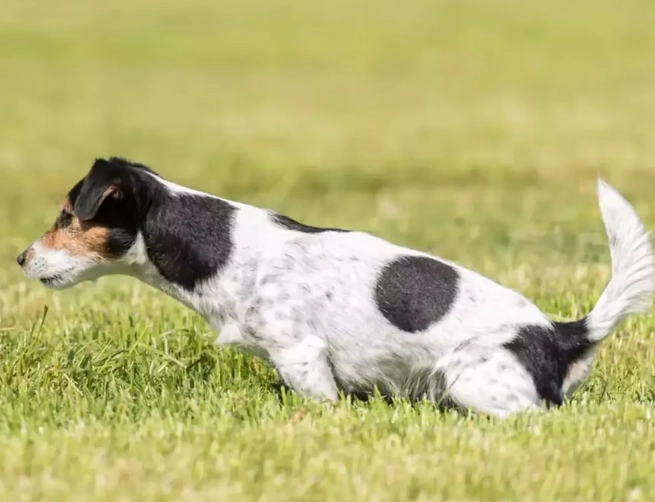
The Anatomy Behind the Infection
The urinary tract includes kidneys, ureters, bladder, and urethra. Infections often start in the bladder. Female dogs are more prone because their urethra is shorter, but males can get it too, especially if they have other health issues.
Symptoms of UTI in Dogs: What to Watch For
Spotting symptoms early is key. Here's a table of common signs, based on my experience and vet resources like the Merck Veterinary Manual.
| Symptom | What It Looks Like | Why It Matters |
|---|---|---|
| Frequent urination | Your dog asks to go out every hour, but only pees a little. | Indicates bladder irritation. |
| Accidents indoors | House-trained dog suddenly pees inside, maybe with a guilty look. | Loss of bladder control due to urgency. |
| Blood in urine | Urine looks pink or red—this scared me the first time I saw it. | Sign of inflammation or infection. |
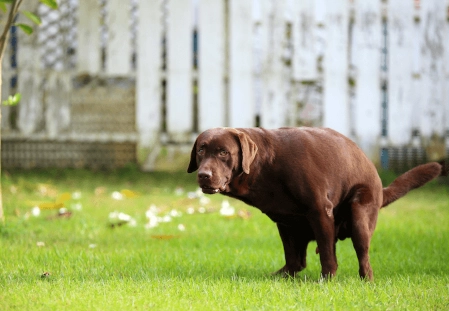
| Straining to urinate | Dog squats or lifts leg but nothing comes out, or just dribbles. | Could be a blockage, which is an emergency. |
| Licking genital area | Excessive licking down there, more than usual grooming. | Trying to soothe discomfort. |
| Lethargy or fever | Dog seems tired, less playful, or feels warm to the touch. | Body fighting infection. |
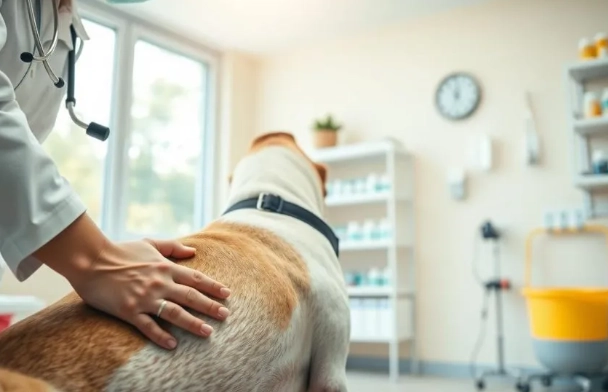
If you see these, don't wait. Call your vet. I learned this the hard way when I delayed for a day, and Max's infection spread.
Why Dogs Get UTIs: Causes and Risk Factors
It's not just bad luck. Several factors increase risk. Older dogs, females, and those with weak immune systems are more susceptible. Diet plays a role too—cheap kibble with fillers can lead to alkaline urine, which bacteria love.
Here's a quick list of common causes:
- Bacterial entry: From feces or dirty environment.
- Underlying conditions: Diabetes or kidney disease, as noted in studies from veterinary journals.
- Poor hydration: Dogs that don't drink enough water have concentrated urine.
- Anatomical issues: Like bladder stones or tumors.
My neighbor's dog got recurrent UTIs because she was using scented wipes on him—turns out, that disrupted his natural pH balance. A vet pointed this out after months of antibiotics.
How Vets Diagnose Dog UTI
Diagnosis isn't just a guess. Your vet will do a urinalysis, which checks for bacteria, white blood cells, and crystals. Sometimes, they'll culture the urine to identify the exact bacteria. This step is crucial because treating blindly with antibiotics can lead to resistance.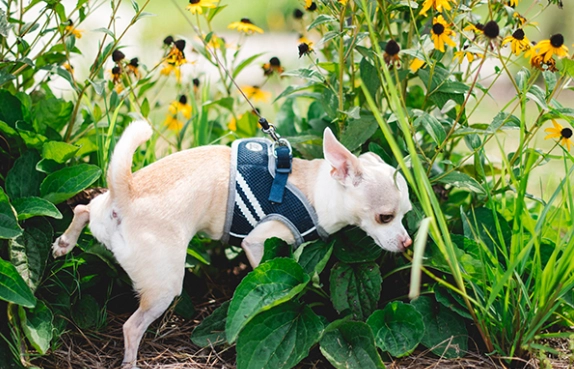
I've seen owners skip the culture to save money, but it often backfires. The culture tells which antibiotic works best. According to the American Animal Hospital Association, proper diagnosis reduces treatment failure by up to 30%.
At-Home Test Kits: Are They Worth It?
You can buy test strips online, but they're not reliable for diagnosis. They might show signs, but only a vet can confirm. I tried one once—it said negative, but Max had a UTI. False negatives happen.
Treatment Options for Dog UTI
Treatment depends on severity. Mild cases might need antibiotics, while severe ones require more. Here's a breakdown.
Conventional Veterinary Treatments: Antibiotics like amoxicillin or enrofloxacin are common. The vet will prescribe based on culture results. Always finish the full course, even if your dog seems better. Stopping early is a big mistake—it can cause recurrence.
For my dog Luna, the vet prescribed a 10-day antibiotic. I also added probiotics to her diet to gut health, which helped prevent side effects like diarrhea.
Supporting Recovery at Home: While antibiotics work, you can help with home care. Increase water intake—add broth to food or use a pet fountain. Cranberry supplements are popular, but research is mixed for dogs; ask your vet first. I found that plain pumpkin puree (not pie filling) helped Luna's urinary health due to its fiber content.
In recurrent cases, vets might suggest long-term low-dose antibiotics or dietary changes. Prescription diets like Hill's c/d or Royal Canin Urinary SO can help, but they're pricey. I switched Luna to a wet food diet with more moisture, and it made a difference.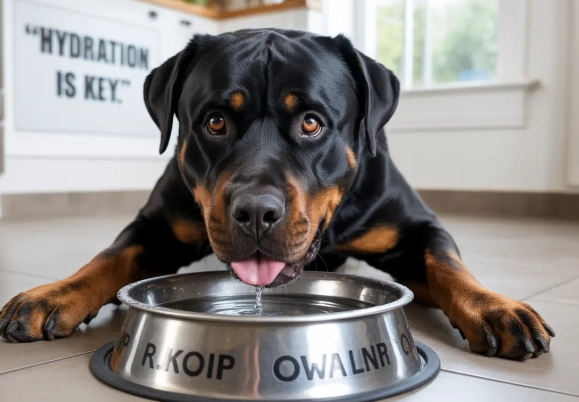
Prevention Strategies That Actually Work
Preventing UTIs is cheaper and easier than treating them. Focus on these steps:
- Hydration is king: Ensure fresh water always available. I clean water bowls daily to prevent bacterial buildup.
- Regular bathroom breaks: Let your dog out frequently to flush the system.
- Diet matters: Feed high-quality food with animal protein. Avoid fillers like corn or soy. Some studies suggest adding omega-3 fatty acids reduces inflammation.
- Hygiene: For female dogs, wipe after outdoor time with unscented wipes. Keep living areas clean.
- Monitor health: Regular vet check-ups catch issues early.
I started adding a teaspoon of apple cider vinegar to Luna's water (diluted, of course), and her UTIs stopped. But this isn't for every dog—check with your vet.
Common Mistakes Dog Owners Make
After years of talking to vets and other owners, I've noticed patterns. Here are pitfalls to avoid:
Over-relying on antibiotics without diagnosis: Some owners demand antibiotics at the first sign, but if it's not bacterial, it's useless. This wastes money and harms your dog's microbiome.
Ignoring water quality: I used to refill the water bowl without washing it for days. Bacteria can grow there, contributing to UTIs. Now, I wash it with hot water every day.
Assuming it's just aging: Older dogs might pee more, but it could be a UTI or worse. Don't dismiss symptoms as normal aging—get it checked.
Using human medications: Never give human UTI drugs to dogs. They can be toxic. I've heard horror stories from vets about owners trying this.
My own mistake was not noticing Luna's subtle signs until she was in pain. She'd just sit quietly instead of playing, and I thought she was being good. Lesson learned.
Frequently Asked Questions
Dealing with dog UTIs can be stressful, but with the right knowledge, you can manage it effectively. Keep an eye on your pet, trust your vet, and don't hesitate to ask questions. Your dog's health is worth it.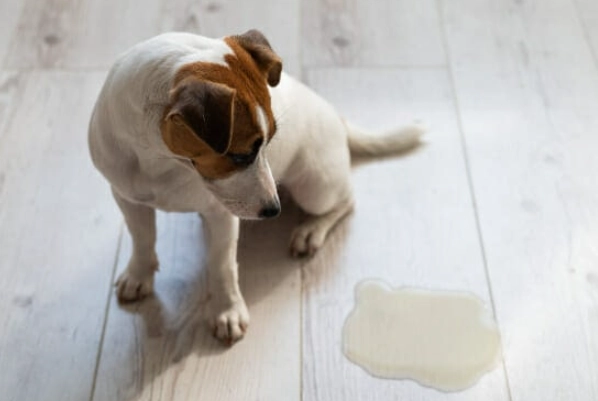
Related Articles