Dog Heat Cycle Explained: A Complete Guide for Pet Owners
So your girl dog is acting… weird. Maybe she’s suddenly glued to the window, whining at squirrels. Maybe there’s a mysterious spot on her bed, or her usual "good girl" manners have vanished. If you’re a first-time owner, it can be confusing and a little stressful. You’ve probably landed here searching for answers about the dog heat cycle. Let’s cut through the confusion.
This isn't just biology class. It's a practical, owner-focused guide to navigating your dog's reproductive cycle. We'll cover everything from the unmistakable signs she's in heat to the subtle changes you might miss, the crucial timing for spaying, and the real-world strategies for keeping her safe and comfortable. I’ve been through this with multiple dogs over the years, and I’ll share the stuff that actually matters, not just textbook definitions.
Quick Navigation: What You'll Find in This Guide
What Exactly Is a Dog Heat Cycle?
Think of it as your dog’s body preparing for a potential pregnancy. It's the entire reproductive sequence, not just the few days she can get pregnant. Unlike humans who cycle monthly, dogs typically go into heat, or estrus, about every six to eight months, though this varies wildly by breed and individual. Small breeds can cycle more frequently (every 4 months), while giant breeds might only have one cycle a year.
The first heat usually pops up between 6 and 15 months of age. Waiting for it can feel like watching a pot that never boils. A common mistake? Assuming a late first heat means something's wrong. Often, it's just genetics. But if your dog is over 18-24 months and hasn't had a heat cycle, a vet check is a good idea to rule out underlying issues.
Key Point: The heat cycle is driven by hormones—primarily estrogen and progesterone. These hormones don't just affect her ovaries; they influence her behavior, mood, and even physical health throughout the entire process. Understanding this hormonal rollercoaster is key to understanding why she acts the way she does.
Understanding the Four Stages of the Dog Heat Cycle
Breaking it down into stages makes it much less mysterious. Each stage has its own hormonal profile and physical signs. Missing the transitions between stages is where many owners get caught off guard.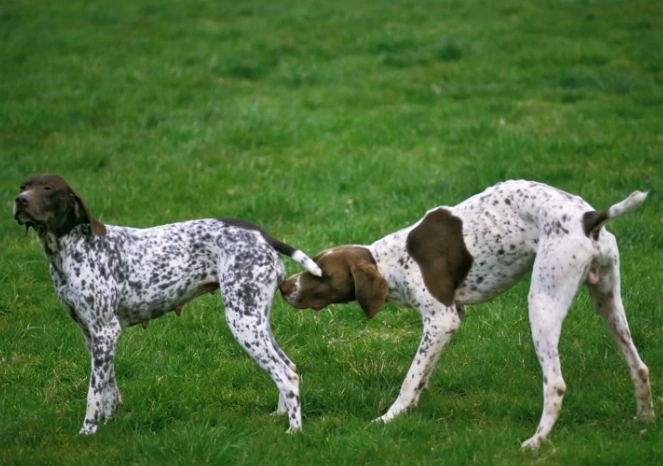
| Stage | Average Duration | Key Characteristics & Signs | Can She Get Pregnant? |
|---|---|---|---|
| Proestrus ("Coming In") | 7-10 days | Swollen vulva, bloody discharge, attractive to males but rejects advances, may be clingy or irritable. | No |
| Estrus ("Standing Heat") | 5-9 days | Discharge lightens (straw-colored), vulva softens, "flagging" tail, actively seeks males, fertile period. | YES |
| Diestrus ("Going Out") | ~60 days | Signs fade. Body acts as if pregnant (whether it is or not). Can lead to false pregnancy symptoms. | No |
| Anestrus (Resting Phase) | 3-4 months | Reproductive inactivity. No signs. The body rests and prepares for the next cycle. | No |
The table gives you the blueprint, but real life is messier. The proestrus bleeding can range from a few drops to what seems like a lot. I had a dog where it was barely noticeable, and another where I was glad for washable diapers. Don't panic at the amount unless it's excessive.
Estrus is the critical window. This is when ovulation happens. The most telltale sign isn't just a color change in discharge; it's her behavior. She'll stand still and deflect her tail to the side ("flagging") if you touch near her rear end. This is her body's "green light" signal.
Here’s the subtle error few talk about: assuming diestrus means you're in the clear. Hormones are still high. This is when some dogs develop a false pregnancy—nesting, carrying toys, even producing milk. It usually resolves on its own, but it stresses the dog. Providing distraction and comfort helps.
How to Spot the Signs Your Dog Is in Heat
Beyond the textbook definitions, here’s what to actually look and feel for in your daily life with your dog.
Behavioral Changes You Can't Ignore
She might become unusually affectionate, following you from room to room. Or she might become snappy and irritable—those lovely hormones. Increased urination is a big one; she’s leaving scent messages. Restlessness, whining, and a sudden intense interest in the backyard fence line are classic.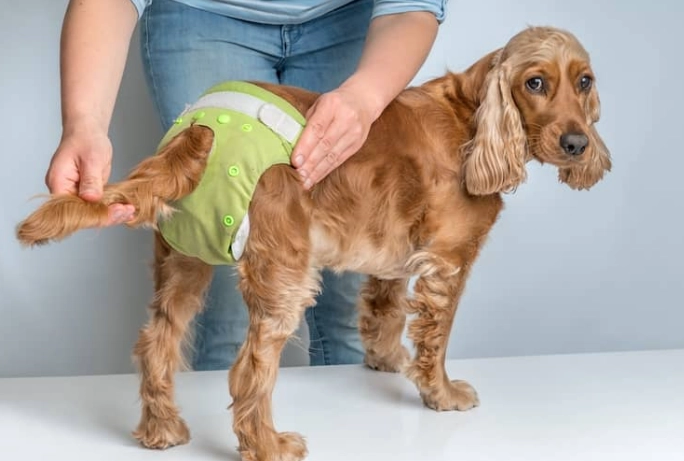
The Physical Evidence
A visibly swollen vulva is often the first physical clue. The discharge starts bloody and transitions to a lighter pink or straw color. You might notice her licking herself more frequently to stay clean.
The "Male Magnet" Effect
This is a dead giveaway. Suddenly, every intact male dog in the neighborhood seems to be congregating on your lawn. They can smell her pheromones from a staggering distance. I once had a dog in heat, and a male dog appeared at my gate who lived over a mile away. It’s a powerful instinct.
Essential Care Tips During Your Dog's Heat
This is where theory meets practice. Your goal is safety, cleanliness, and comfort.
Supervision is Non-Negotiable. Do not let her into the yard alone, even for a minute. A determined male dog will find a way. Leash walks only, and be hyper-vigilant.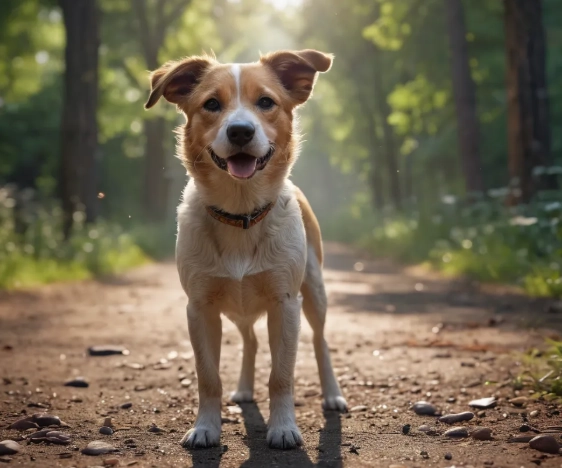
Contain the Mess. Dog diapers or reusable belly bands are lifesavers for your carpets and furniture. Get a few so you can wash and rotate. Make sure they fit well to prevent chafing.
Comfort is Key. She might feel off. Provide a quiet, comfortable space with her favorite bed. An old towel or blanket you don't mind washing frequently is perfect for her resting area.
Exercise Adjustments. She still needs mental and physical stimulation, but ditch the dog park and group walks. Focus on indoor games, training sessions for treats, or controlled, solitary walks in quiet areas.
A resource I often recommend for authoritative health info is the American Veterinary Medical Association (AVMA). They have excellent materials on responsible pet ownership that align with everything here.
Spaying and the Heat Cycle: Getting the Timing Right
The big question: when to spay? The old rule was "before the first heat." The current conversation is more nuanced.
Spaying before the first heat virtually eliminates the risk of mammary cancer later in life. That’s a huge pro. However, some emerging studies, like those referenced by the American Kennel Club, suggest for some large breeds, allowing hormonal maturity (letting one heat cycle pass) might benefit joint and ligament health.
This is a decision for you and your vet, based on your dog’s breed, size, and lifestyle. There is no universal "best" answer anymore.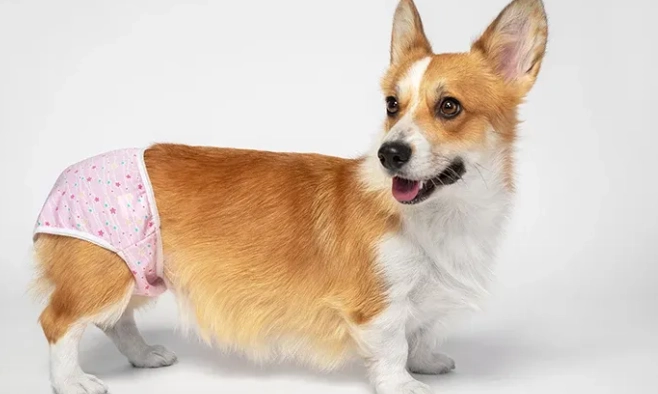
Can you spay a dog while she is in heat? Technically yes, but most vets prefer to wait. The surgery is more complex due to increased blood flow to the reproductive organs, which can mean a slightly longer procedure and recovery. The common advice is to schedule the spay for about 2-3 months after her heat ends.
Your Top Dog Heat Cycle Questions Answered
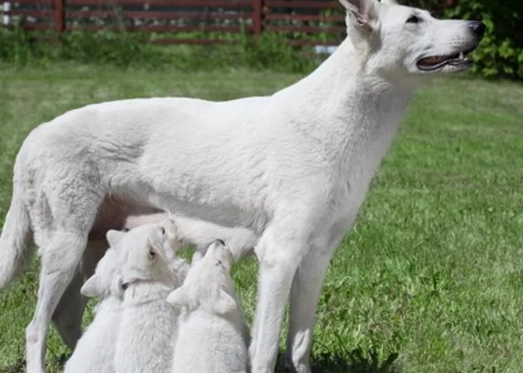
Navigating your dog's heat cycle is a blend of science, vigilance, and a lot of common sense. It’s a natural process, but one that requires you to step up as a manager. By knowing the stages, recognizing the signs, and implementing practical care, you can ensure this time passes smoothly and safely for both of you. The goal isn't just to get through it, but to provide the care that keeps your dog healthy and happy for the long run.
Related Articles