Diagnosing and Treating Cushing's Disease in Dogs: A Complete Guide
You notice your dog is always thirsty. The water bowl empties faster than ever, and you're letting them out to pee what feels like every hour. Maybe their belly looks a bit pot-bellied, or their coat seems thin and dull. You brush it off as old age—your pup is getting up there, after all. But here's the thing I've seen too many times in the exam room: what looks like "just getting old" is often the slow, sneaky creep of Cushing's disease.
Cushing's disease, or hyperadrenocorticism, is a common endocrine disorder in middle-aged and older dogs. It happens when the body produces too much cortisol, a stress hormone. The trick is, it doesn't show up overnight. It's a master of disguise, mimicking normal aging so well that diagnosis often comes late.
What's Inside This Guide
Spotting the Signs: Is It Old Age or Cushing's?
The classic symptoms are a cluster. Seeing one might not ring alarm bells, but seeing three or more? That's your cue to call the vet.
Increased thirst and urination (PU/PD) are almost always the first red flags. We're talking about a dog that suddenly needs to go out in the middle of the night again, or has accidents indoors after years of being housebroken. The cortisol interferes with a hormone that helps the kidneys conserve water.
A ravenous appetite is another big one. Your dog acts like they're starving all the time, scavenging for crumbs, begging relentlessly. Cortisol stimulates appetite.
Then there are the physical changes:
- A pot-bellied appearance: This isn't just weight gain. Muscle weakness in the abdomen combined with an enlarged liver from the hormone excess gives that distinctive saggy belly.
- Hair loss and skin changes: Hair thins symmetrically, often on the flanks and belly. The skin itself can become thin, darkly pigmented, and slow to heal. You might see blackheads or calcium deposits.
- Panting excessively: For no apparent reason, like heat or exercise.
- Lethargy and reduced activity: They seem stiff, reluctant to jump on the couch or go for long walks.
A subtle point most miss: Many owners think the hair loss is an allergy. The key difference? Allergic dogs are itchy. Dogs with Cushing's-related hair loss typically are not. They're just bald. If your dog is losing hair but isn't constantly scratching, mention Cushing's to your vet.
How is Cushing's Disease Diagnosed in Dogs?
This is where it gets technical, and frankly, where a lot of confusion and frustration sets in for owners. There's no single perfect test. Diagnosis is a puzzle, and your vet is putting the pieces together.
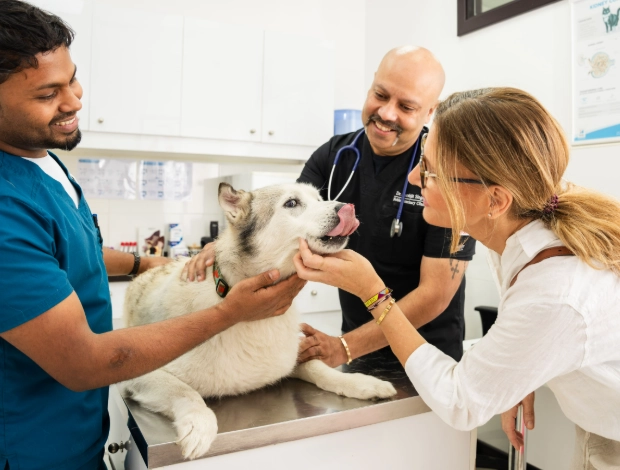
It always starts with a conversation and a physical exam. Your vet will feel that pot belly, note the thin skin, and listen to your story about the water consumption.
Next comes basic bloodwork and a urinalysis. These often show suggestive changes like elevated liver enzymes (ALP), high cholesterol, and dilute urine. But these findings aren't conclusive for Cushing's.
To confirm it, we need specific endocrine tests. Here’s the breakdown that vets use:
| Test Name | What It Does | Pros & Cons |
|---|---|---|
| Low-Dose Dexamethasone Suppression Test (LDDS) | The most common confirmatory test. Measures how well the adrenal glands "turn off" after a synthetic hormone injection. | Pros: Highly accurate for diagnosing Cushing's. Can sometimes pinpoint the cause (pituitary vs. adrenal). Cons: Takes 8 hours. Can have false positives if the dog is stressed or has another illness. |
| ACTH Stimulation Test | Measures the adrenal glands' response to a stimulating hormone. Checks their functional capacity. | Pros: Shorter (2 hours). The best test for monitoring treatment with trilostane or mitotane. Cons: Less sensitive than the LDDS; can miss some mild cases. |
| Urine Cortisol:Creatinine Ratio (UCCR) | A simple screening test done on a single urine sample collected at home. | Pros: Easy, non-invasive, good for ruling Cushing's out. Cons: Not for diagnosis. A high result just means more testing is needed, as stress can also elevate it. |
An abdominal ultrasound is a fantastic complementary tool. It lets us visualize the adrenal glands. Are both enlarged (suggesting pituitary-dependent Cushing's, which is most common)? Or is just one enlarged with a tumor (adrenal tumor)? It also checks the liver and rules out other issues.
Navigating the Diagnostic Maze
Here's my take after seeing hundreds of these cases: Don't get hung up on one slightly abnormal test result. The LDDS test is the workhorse for a reason. If the symptoms are classic and the LDDS is positive, you very likely have your answer. Pushing for more and more tests before starting treatment often just adds cost and delay without changing the outcome.
The one exception is if an adrenal tumor is suspected on ultrasound. In that case, more precise imaging like a CT scan might be discussed, as surgery could be an option.
Understanding Your Dog's Treatment Options
Treatment isn't about curing Cushing's; it's about managing it. The goal is to reduce the excessive cortisol production to a normal level, control the symptoms, and improve your dog's quality of life. The two main medical options are oral medications.
Trilostane (Vetoryl)
This is the most commonly prescribed medication today. It works by inhibiting an enzyme in the adrenal glands needed to produce cortisol.
- How it's given: Once or twice daily with food. Consistency with meals is critical.
- Monitoring: Essential. An ACTH stimulation test is needed 10-14 days after starting, then every few months once stable, to ensure the dose is correct.
- What I see in practice: It's generally very effective. The biggest mistake owners make is not doing the follow-up ACTH tests. Without them, we're flying blind—the dose could be too low (no improvement) or, more dangerously, too high.
Mitotane (Lysodren)
An older, still effective drug that actually destroys the cortisol-producing layer of the adrenal gland.
- How it's given: Has a more intensive initial "loading" phase, followed by lower weekly maintenance doses.
- Monitoring: Also requires careful monitoring with ACTH tests.
- My perspective: It's a powerful drug that requires strict owner compliance. It's often less expensive than trilostane, which matters to some. However, the risk of over-suppression (causing the opposite problem, Addison's disease) can be higher if protocols aren't followed to the letter.
For the rare adrenal tumor, surgery (adrenalectomy) performed by a specialist can be curative. It's a major surgery with risks, but for a good candidate, it's a one-time fix.
Let's talk about "natural" remedies. You'll find blogs touting melatonin, lignans, or various herbs. Look, I get the appeal. But here's the blunt truth: there is no robust scientific evidence that these supplements normalize cortisol levels in dogs with true Cushing's disease. They might help with very mild, subclinical cases or coat quality, but for a dog with full-blown symptoms and a positive LDDS test, relying on them alone is, in my opinion, a disservice to your pet. They don't replace vet-prescribed medication for controlling the disease.
Life After Diagnosis: Management and Care
Managing a dog with Cushing's is a partnership between you and your vet. The medication does the heavy lifting, but your daily care makes all the difference.
Diet: There's no specific "Cushing's diet," but a high-quality, moderately protein-restricted senior diet is often recommended. The main goal is to help manage the weight gain and pot-belly. Avoid free-feeding. Measured meals are your friend.
Exercise: Keep it gentle and consistent. Short, frequent walks are better than one long, exhausting one. The muscle weakness and panting mean they tire easily.
Monitoring at Home: Keep a simple log. Note water intake (refill the bowl with a measured amount), appetite, energy level, and any panting. This log is gold for your vet appointments—it's objective data.
The Financial Reality: Let's not sugarcoat it. Cushing's is a commitment. Initial diagnostics can run $500-$1000. Monthly medication (trilostane) might be $80-$200. Required monitoring ACTH tests are around $150-$250 each. Over a year, you could be looking at $1500-$3000. Pet insurance, if you have it before diagnosis, is a lifesaver. If not, talk to your vet about care plans or payment options.
The payoff? With good management, most dogs live out their normal lifespan with a greatly improved quality of life. The excessive drinking and peeing stop. The energy comes back. They're comfortable again.
Your Cushing's Disease Questions Answered
My dog was just diagnosed. Should I start treatment immediately, or can I wait and see?
This depends entirely on how severe the symptoms are. If your dog is miserable—soaking the house, restless, skin infections brewing—starting sooner is better. If symptoms are very mild (slightly increased thirst, minor hair loss), some vets and owners opt for a short monitoring period. However, Cushing's is progressive. Waiting usually means the symptoms will worsen, and the disease can predispose dogs to serious issues like diabetes, pancreatitis, and blood clots. My advice is rarely to wait more than a few weeks.
My dog on trilostane seems lethargic and wobbly. What's happening?
Stop the medication and call your vet immediately. These are classic signs of cortisol dropping too low (iatrogenic Addison's). It's the most serious side effect of treatment. Your dog likely needs an immediate ACTH test and may need prednisone supplementation temporarily. This is why follow-up testing isn't optional—it's there to prevent this exact scenario.
Are there any specific ingredients or foods I should avoid in my Cushing's dog's diet?
Focus more on what to include than what to avoid. Ensure the diet is complete and balanced. The one thing I'd be cautious about is over-supplementing with high-dose omega-3s or vitamin A without vet guidance, as they can interact with blood clotting, which can already be a subtle issue in Cushing's dogs. Stick with a reputable commercial diet or a recipe formulated by a veterinary nutritionist.
My 12-year-old dog has Cushing's. Is treatment worth it at their age?
Age is just a number; health is what matters. I've treated many 12, 13, even 14-year-olds successfully. The question isn't "How old are they?" but "How are they otherwise?" If your older dog is still enjoying life—greeting you, eating, going for short strolls—then treating Cushing's can remove the burdens of constant thirst, discomfort, and weakness, giving them more good quality time. It's absolutely worth discussing with your vet.
Can Cushing's disease be prevented?
No, not really. The vast majority of cases (85%) are caused by a benign pituitary tumor, which we don't know how to prevent. The adrenal tumor form is also spontaneous. The best "prevention" is awareness. Knowing the signs and getting your senior dog regular check-ups (at least twice a year) means you'll catch it early if it develops, which makes management smoother and more effective.
Related Articles