How Long Is a Dog in Heat? A Complete Guide to the Canine Estrous Cycle
If you're asking "how long is a dog in heat?", here's the quick answer: the entire heat cycle, called the estrous cycle, typically lasts between 2 to 4 weeks, with the most fertile period (when she will accept a male) usually spanning about 5 to 9 days within that timeframe. But that's just the headline. The real story is more nuanced, and getting it wrong can lead to unplanned puppies or unnecessary worry. I've been through this with multiple dogs over the years, and the standard advice often misses the subtle signs that things are starting or ending.
In This Article
Total Duration: Average is 21 Days, But Variation is the Rule
Let's get specific. The average canine heat cycle is about 21 days, or three weeks. I've had dogs stick to that schedule like clockwork, and others who kept me guessing. The range is broad—anywhere from 18 to 28 days is considered normal for a complete cycle.
The part most people think of as "being in heat"—the visible swelling and bloody discharge—is just one phase. The entire biological process is longer and includes a preparation phase and a winding-down phase that have no outward signs. This is where many owners get tripped up. They think the heat is over when the bleeding stops, but their dog might still be fertile for several more days. It's a common misconception that can have big consequences.
Key Takeaway: Never assume the heat is over just because you stop seeing blood. The most critical management period often extends beyond the visible discharge.
The Four Stages of the Heat Cycle: A Map of What's Happening
To truly understand how long your dog is in heat, you need to know the four distinct stages. Think of it like a play with four acts. The table below breaks it down, but I'll add some color commentary after.
| Stage | Duration | Key Signs & What's Happening | Is She Fertile? |
|---|---|---|---|
| Proestrus | 3-17 days (Avg: 9) | Swollen vulva, bloody discharge, attracts males but rejects them. Estrogen levels peak. | No. This is the "get ready" phase. |
| Estrus (TRUE HEAT) | 3-21 days (Avg: 9) | Discharge lightens (straw-colored), vulva softens, "flagging" tail, actively seeks and accepts males. Ovulation occurs. | YES. This is the fertile window. |
| Diestrus | ~60 days | Signs fade. Body acts pregnant whether she is or not. Progesterone is high. | No. The "recovery" phase begins. |
| Anestrus | ~4-5 months | Reproductive rest. No signs, no hormonal activity. | No. The quiet time between cycles. |
See the tricky part? The first two stages—Proestrus and Estrus—are what we colloquially call "the heat," and they can last anywhere from 14 to 28 days combined. The shift from Proestrus to Estrus isn't marked by a calendar date; it's marked by her behavior and the change in discharge. That's why counting days is less reliable than observing her.
I remember my friend's Labrador. The bleeding stopped on day 10, so she thought it was safe to resume normal walks. On day 12, a male dog from three houses down managed to get into her yard. The lesson? Estrus (the fertile stage) often begins after the heavy bleeding subsides.
Spotting the Transition to the Fertile Phase
This is the expert tip most guides gloss over. Don't just watch for blood stopping. To pinpoint the fertile Estrus phase, do this two-part check:
- The Discharge Test: The blood will lighten to a pinkish or straw-colored discharge. It's less volume.
- The Tail Test ("Flagging"): Gently press on the base of her tail or stroke her lower back. If she's in Estrus, she'll often stand still, hold her tail stiffly to the side, and raise her rear. This is a clear "green light" signal to male dogs.
If she's still snapping or sitting down when a male approaches, she's likely still in Proestrus.
What Affects How Long a Dog Stays in Heat?
It's not one-size-fits-all. Several factors can stretch or shorten the cycle.
Breed and Size: Smaller breeds (like Chihuahuas, Yorkies) often have more frequent cycles, but the heat duration itself isn't drastically shorter. Large and giant breeds (Great Danes, Saint Bernards) may have less frequent cycles. There's a myth that small dogs are "in heat" for a shorter time—not necessarily true. The variation is more individual than size-based.
Age: A young dog experiencing her first heat (which can happen as early as 6 months or as late as 18 months) may have an "irregular" first cycle. It might be shorter, longer, or have very subtle signs. This "silent heat" is common in first-timers and catches many owners off guard.
Individual Biology: This is the biggest wild card. Just like human menstrual cycles, every dog has her own rhythm. One of my dogs had a textbook 7-day Proestrus, 9-day Estrus cycle every time. Another was all over the map, with a long, drawn-out Proestrus that made management feel endless.
Overall Health and Nutrition: An obese dog or a malnourished dog may have irregular cycles. Underlying health issues like thyroid problems can also disrupt the cycle. The American Kennel Club notes that maintaining ideal body condition supports regular reproductive health.
What Should You Do During Your Dog's Heat?
Knowing the duration is pointless without a management plan. Here’s what you actually need to do, based on the stage.
1. Mark Your Calendar & Observe Closely. Day 1 is the first day you see noticeable swelling or blood. Note the color and volume of discharge daily. Watch her behavior around other dogs like a hawk. This log is invaluable for predicting future cycles or discussing issues with your vet.
2. Implement Strict Containment. From the first sign until at least a week after all swelling is gone:
- Leash-walk only, even in your yard if it's not fully secure.
- No dog parks, group classes, or daycare.
- Consider baby gates to keep her separate from resident male dogs.
Male dogs can smell a female in heat from miles away and will become escape artists. I've seen them scale fences they never attempted before.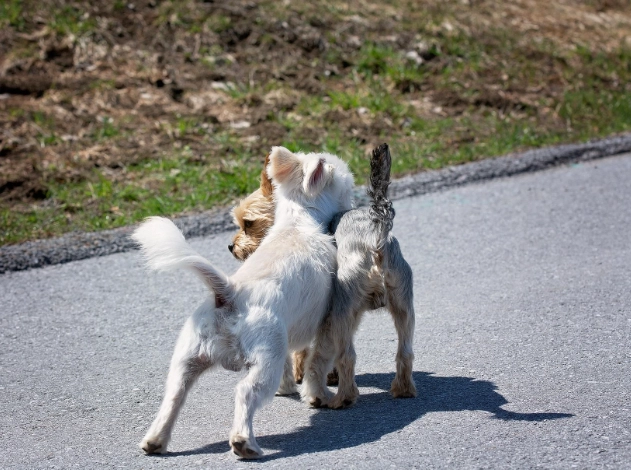
3. Manage the Mess Comfortably. Doggie diapers (reusable or disposable) are a lifesaver. Get ones with a hole for the tail. Also, old towels or washable blankets on her favorite sleeping spots are essential. Keep her clean with gentle, vet-approved wipes around her vulva to prevent infection.
4. Consider Spaying. If you do not plan on responsible, ethical breeding, spaying is the most effective way to prevent heat cycles, pyometra (a life-threatening uterine infection), and mammary tumors. The discussion on timing is complex. While traditional advice was to spay after the first heat, current research from institutions like the UC Davis School of Veterinary Medicine suggests the ideal timing may vary by breed and size for long-term health. This is a conversation for you and your vet.
Your Top Questions, Answered
My dog's heat seems to last over a month. Is that normal?
A heat cycle lasting longer than 28 days (from first sign to end of receptivity) is unusual and warrants a vet visit. Prolonged bleeding or signs could indicate a condition like ovarian cysts, a uterine infection (pyometra), or a hormonal imbalance. Don't wait it out; get it checked.
Can I walk my dog in heat if I keep her on a leash?
You can, but you must be hyper-vigilant. Choose off-peak hours and less frequented routes. Even on a leash, male dogs may approach aggressively. Be prepared to change direction or cut the walk short. The scent she leaves can also cause disruptions in the area for days.
How soon after a heat can she be spayed?
Vets typically recommend waiting until the heat cycle is completely over—about 8-12 weeks after the first signs. This allows the swollen uterine blood vessels and tissues to return to a normal, less fragile state, making surgery safer and less complicated.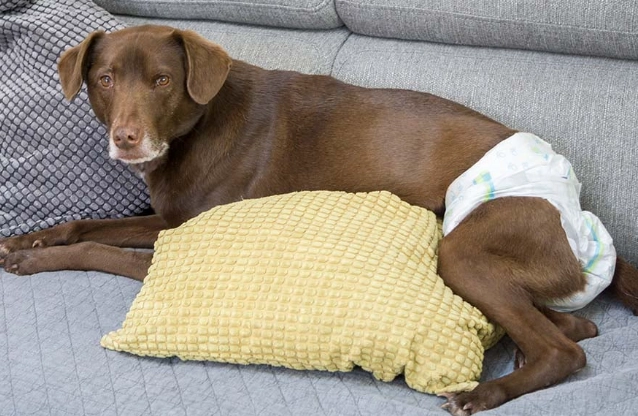
What are the signs of a "silent heat"?
This is a big one owners miss. Signs are incredibly subtle: maybe a slightly enlarged vulva with no visible blood, a slight increase in licking herself, or a sudden clinginess. Sometimes, the only sign is that male dogs are suddenly very interested in her. If you suspect a silent heat, assume she is fertile and manage her accordingly for a full 3-week period.
Is it okay to bathe a dog while she's in heat?
Yes, but with caution. Use lukewarm water and a mild shampoo. Avoid getting water forcefully into the vaginal opening. It's best to do it during a lighter discharge day (often mid-to-late Estrus) and ensure she's thoroughly dried. The warm, moist environment can be a breeding ground for bacteria if she stays damp.
Understanding the length and phases of your dog's heat cycle is more than just trivia—it's a core part of responsible pet ownership. It empowers you to prevent unwanted litters, keep her comfortable, and spot potential health issues early. Track her cycle, watch her more than the calendar, and when in doubt, your veterinarian is your best resource. It might feel like a long few weeks while you're in it, but with the right knowledge, you can navigate it smoothly.
Related Articles