German Shepherd Lab Mix: The Complete Guide to This Popular Hybrid
So you're curious about the German Shepherd Lab Mix. Maybe you've seen one at the park—a striking dog with a shepherd's attentive gaze and a lab's friendly wiggle. Let's cut to the chase: this mix is a powerhouse of intelligence, loyalty, and energy. It's not a dog for couch potatoes, but for the right active person or family, it can be an incredible companion. I've lived with and trained this mix for over a decade, and I'll tell you the stuff you won't find on a generic breed profile page.
In This Article
- Where Did This Mix Come From?
- What Does a German Shepherd Lab Mix Look Like?
- The Real Deal on Temperament
- How to Train Your German Shepherd Lab Mix
- Exercise: Non-Negotiable Daily Requirements
- Health and Lifespan: What to Watch For
- Grooming and Daily Care
- Is a German Shepherd Lab Mix Right For You?
- Your Questions, Answered
Where Did This Mix Come From?
The German Shepherd Lab Mix, sometimes called a Sheprador, isn't a recognized purebred. It's a first-generation cross between a purebred German Shepherd Dog (GSD) and a purebred Labrador Retriever. The trend likely took off with the rise of "designer dogs" in the last few decades, aiming to blend the GSD's protective instincts and trainability with the Lab's famously outgoing and gentle nature.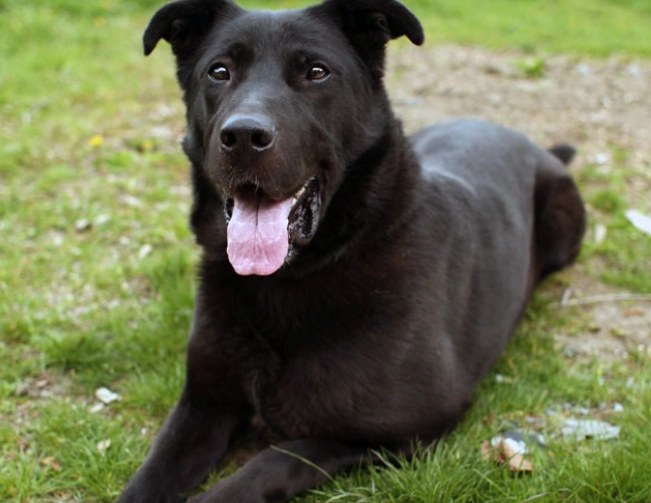
But here's a nuance often missed: the outcome depends heavily on which parent is the sire and which is the dam. Puppies from a German Shepherd mother might inherit stronger herding/guarding tendencies from that maternal environment. It's not just genetics; those early influences matter.
What Does a German Shepherd Lab Mix Look Like?
Predicting the look of a mixed-breed puppy is a bit of a lottery. They can favor one parent strongly or be a perfect blend. Most fall in the 60-90 pound range, standing 22 to 26 inches tall at the shoulder—a substantial, athletic dog.
Common Physical Traits:
- Coat: Usually medium-length and double-layered. Colors are a wild card: black, tan, sable, chocolate, or a mix (like a black saddle on a tan body). I've even seen a few with the classic Lab yellow coat and a GSD's black mask.
- Ears: This is a fun one. They can be fully erect like a Shepherd's, fully floppy like a Lab's, or something in between—"rose ears" that fold over at the tips. The in-between stage during teething can look adorably awkward.
- Build: Typically muscular and athletic, inheriting the Labrador's sturdy frame and the Shepherd's agile silhouette. The tail is often long and may have a slight curve.
- Eyes: Usually brown, but the expression often carries the intelligent, assessing look of the German Shepherd.
You can't choose the looks, and that's part of the adventure. Focus less on getting a specific color and more on the dog's health and temperament.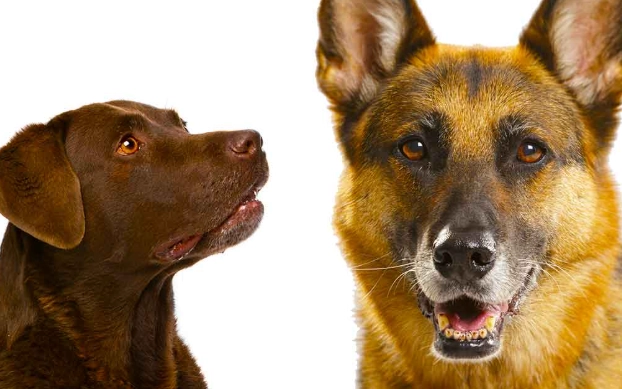
The Real Deal on Temperament
This is where the magic—and the challenge—happens. You're merging two incredibly smart, people-oriented breeds. The result is a dog that is intensely loyal, eager to please, and highly energetic. They often form a deep bond with one person but are affectionate with the whole family.
But let's get specific about the blend. The German Shepherd brings vigilance, a potential for protective instincts, and a sometimes aloof demeanor with strangers. The Labrador brings a social, goofy, food-motivated, and universally friendly attitude. Which side wins? In my experience, most Shepradors lean towards the Lab's friendliness but retain the Shepherd's wariness. They'll alert bark when someone's at the door, but are more likely to wag than growl once you welcome the guest in.
A critical point many owners overlook: Both parent breeds are prone to anxiety if under-stimulated. A bored Sheprador isn't just a chewer; they can develop neurotic behaviors like shadow chasing, excessive barking, or even guarding resources. Their mind needs a job as much as their body needs a run.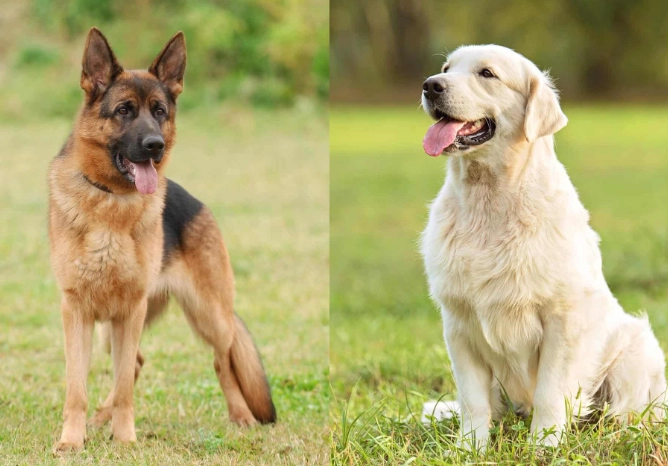
How to Train Your German Shepherd Lab Mix
You hit the intelligence jackpot. This dog learns commands frighteningly fast. The flip side? They learn bad habits just as quickly. Start training the day you bring your puppy home.
Foundational Commands That Are Non-Negotiable
Recall (Come): This is your #1 priority. With their high prey drive (from the Shepherd) and love of adventure (from the Lab), a reliable recall is a safety must. Practice in low-distraction areas first, with insane-value rewards like boiled chicken.
Leave It/Drop It: Labs are mouthy, Shepherds are mouthy. This mix will put everything in its mouth. This command can prevent them from swallowing a sock or a chicken bone on a walk.
Place/Settle: Teaching an "off switch" is crucial. Use a specific mat or bed and train them to go there and relax. This manages excitement at the door and teaches calmness.
I recommend positive reinforcement methods—clicker training works wonders. Their sensitivity means harsh corrections can backfire, causing shutdown or anxiety. Be firm, be consistent, but be kind.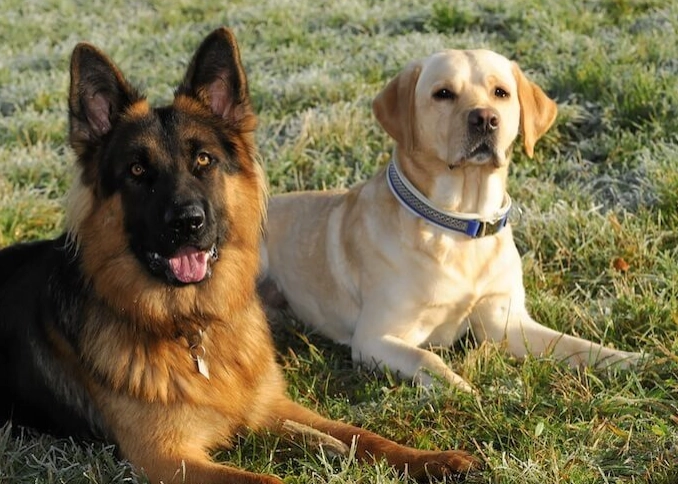
Socialization: It's Not Just About Playdates
Socialization before 16 weeks is critical. But it's not about letting every dog and person greet your puppy. It's about positive exposure. Let them see skateboards, umbrellas, men in hats, children playing at a distance—and pair those sights with treats. The goal is a confident, neutral dog, not necessarily the life of the dog park party.
Exercise: Non-Negotiable Daily Requirements
Think 90+ minutes of dedicated activity daily. A walk around the block won't cut it. This is a working dog mix.
| Activity Type | Examples | Why It Works |
|---|---|---|
| Physical Exercise | Running, hiking, long fetch sessions, swimming, agility courses. | Burns raw energy, maintains muscle tone and joint health. |
| Mental Exercise | Nose work (find the treat), puzzle toys, advanced obedience training, learning new tricks. | Exhausts their brilliant mind, prevents boredom and destructive behavior. |
| Job-Based Exercise | Carrying a backpack on hikes, retrieving the newspaper, participating in canine sports like rally or dock diving. | Taps into their innate drives (retrieving, herding) and gives them a purpose. |
A tired Sheprador is a happy, well-behaved Sheprador. An under-exercised one is a tornado of mischief.
Health and Lifespan: What to Watch For
With a lifespan of 10-14 years, they're generally robust. However, they can inherit health issues from both parent breeds. Reputable breeders will screen parent dogs for these conditions. Always ask for health clearances.
- Hip and Elbow Dysplasia: This is the big one for both breeds. It's a malformation of the joints that can lead to arthritis and pain. Keep puppies lean during growth, avoid forced running on hard surfaces, and provide joint supplements as they age. The Orthopedic Foundation for Animals (OFA) maintains databases on these conditions.
- Bloat (Gastric Dilatation-Volvulus): A life-threatening emergency more common in deep-chested dogs. Feed multiple small meals a day, avoid vigorous exercise right after eating, and know the symptoms (restlessness, unproductive vomiting, distended abdomen).
- Allergies and Skin Issues: Labs are notorious for skin and food allergies. You might see itchy skin, ear infections, or paw licking. A high-quality diet and regular grooming help manage this.
- Degenerative Myelopathy: A progressive neurological disease more associated with German Shepherds. There is a genetic test for it.
Find a vet who understands large, active breeds. Annual check-ups are a must.
Grooming and Daily Care
Get a good vacuum. They shed—a lot. Seasonal "blows" of their undercoat (especially in spring and fall) will cover your furniture in fur. Weekly brushing is mandatory; daily during shedding season is better. It keeps mats away, distributes skin oils, and is a great bonding activity.
Other essentials: trim nails every few weeks, check and clean ears weekly (floppy ears can trap moisture), and brush teeth several times a week. Start all grooming routines when they're puppies to build positive associations.
Is a German Shepherd Lab Mix Right For You?
Let's be brutally honest. This mix is not for everyone.
Choose a Sheprador if you: Lead an active, outdoor lifestyle. Have experience with large, strong dogs. Have time for daily training and mental engagement. Want a versatile companion for adventures. Have a securely fenced yard.
Reconsider a Sheprador if you: Are a first-time dog owner (their intelligence and energy can be overwhelming). Live in a small apartment without an exercise plan. Are gone for 8+ hours a day regularly. Want a low-maintenance, low-energy lap dog.
If you're still nodding yes, your next step is critical: finding a responsible source. Avoid pet stores and online brokers. Seek ethical breeders who health-test their parent dogs and raise puppies in a home environment, or better yet, check local shelters and breed-specific rescues. Adult dogs in rescue often have known personalities, which removes the puppy lottery factor.
Your Questions, Answered
Bringing a German Shepherd Lab Mix into your life is a commitment to an active partnership. It's not always easy—there will be chewed shoes, muddy paw prints, and stubborn teenage phases. But for those who can meet their needs, the reward is an unmatched companion: a loyal shadow on the trail, a clever partner in training, and a loving friend who will fill your home with life (and fur) for years to come.
Related Articles