Morkie Dog Breed: Complete Owner's Guide & Care Tips
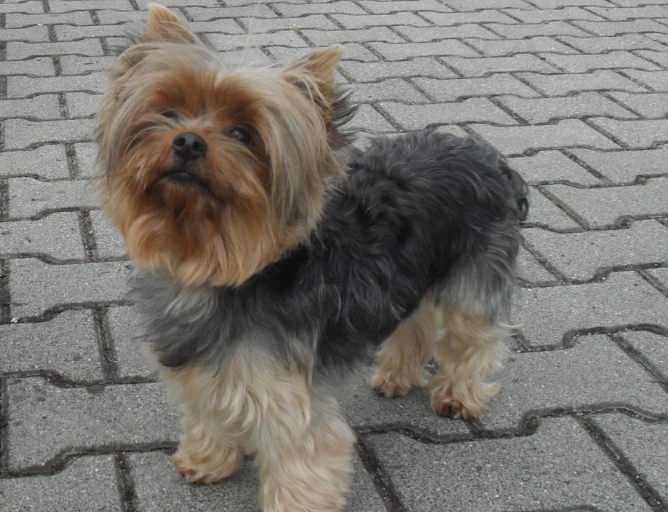
Let's talk about the Morkie. You've probably seen them – those impossibly cute little dogs with fluffy hair and big, dark eyes that look like living teddy bears. Officially a cross between a Maltese and a Yorkshire Terrier, this designer dog has skyrocketed in popularity. But is that fluffy coat as easy to maintain as it looks? Is their personality all sweetness, or is there a bit of terrier spice in there? I've spent over a decade working with small breeds, and I've seen firsthand what makes a Morkie relationship thrive or struggle. This isn't just a breed overview; it's the manual I wish I had when I got my first client with a Morkie puppy ten years ago. A Morkie is a hybrid dog, a deliberate cross between a purebred Maltese and a purebred Yorkshire Terrier. They're not recognized as a standalone breed by major kennel clubs like the American Kennel Club (AKC), but they are incredibly popular as companion animals. You'll sometimes see them called Malti-Yorkies or Yorktese. Because they're a mix, predicting their exact size and look can be a bit of a lottery. Most end up in the toy category. A full grown Morkie typically weighs between 4 to 8 pounds and stands around 6 to 9 inches tall at the shoulder. Their coat is usually long, silky, and can range from straight (like a Maltese) to slightly wavy. Colors vary wildly – you might get the classic Maltese white, Yorkshire Terrier tan and blue, or any beautiful combination in between. People often describe Morkies as affectionate and loyal. That's true. They form incredibly strong bonds with their person and love to be involved in everything you do. Don't expect a dog that's happy to be alone in the yard; they are velcro dogs through and through. But here's where the Yorkie side comes in loud and clear. That "terrier" in their lineage isn't just for show. Morkies can be surprisingly bold, curious, and even a bit stubborn. They have a watchdog instinct and will absolutely bark to alert you of anything unusual. This isn't necessarily a bad trait, but it needs managing. I've seen too many owners treat their Morkie like a fragile doll, which can lead to a tiny tyrant with separation anxiety. They are more resilient than they look. Socialization is non-negotiable. Expose your Morkie puppy to different people, sights, and sounds in a positive way. A well-socialized Morkie is a confident, happy dog. An unsocialized one can become nervous and yappy. Let's break it down simply: This is the big one. That gorgeous hair doesn't maintain itself. The most common mistake I see? Owners thinking they can brush once a week. For a Morkie with a full coat, that's a one-way ticket to painful mats, especially behind the ears, under the legs, and around the sanitary area. Here’s a realistic grooming breakdown for different coat styles: You'll need the right tools: a high-quality slicker brush and a metal comb. The comb is your truth-teller – if it doesn't glide through the hair to the skin without catching, you have a tangle starting. Don't forget eye cleaning. Their light-colored fur around the eyes stains easily. A daily wipe with a soft, damp cloth is better than trying to remove severe stains later. Mixed breeds often benefit from hybrid vigor, but they can inherit issues common to their parent breeds. Being proactive is key. A reputable breeder will test their parent dogs for specific conditions. Always ask for health clearances. Patellar Luxation: This is a big one for small dogs. It's where the kneecap slips out of place. You might see your dog skip or hop on a leg for a few steps. Mild cases are managed with weight control and supplements, but severe cases need surgery. Dental Problems: Toy breeds are notorious for crowded teeth, which leads to rapid tartar buildup and gum disease. Start brushing their teeth early – I mean, as soon as you bring your Morkie puppy home. Use a dog-specific toothpaste. Annual dental check-ups with your vet are a must. Tracheal Collapse: That delicate little windpipe can weaken, causing a chronic, dry, honking cough. Using a harness instead of a collar is critical to avoid pressure on the trachea. Portosystemic Shunt (PSS): A serious liver condition more common in Yorkies. Symptoms in a puppy can include stunted growth, confusion, and seizures. A good breeder will have screened for this. Regular vet check-ups, a high-quality diet appropriate for small breeds, and keeping them at a lean weight are your best defenses. They're smart. Sometimes too smart for their own good. The key is consistency and positive reinforcement. They don't respond well to harshness. Housebreaking: This can be challenging. Small bladders mean frequent trips outside. Take them out immediately after waking up, after eating, after playing, and every 1-2 hours in between. Crate training is a lifesaver here, as it taps into their instinct not to soil their den. Barking: This is the number one behavioral complaint. You can't eliminate it entirely—it's in their DNA to alert. But you can manage it. Teach a "quiet" command. When they bark, say "quiet" calmly, wait for a second of silence, then immediately reward with a high-value treat. Also, manage their environment. If they bark at the window, close the blinds. If they bark at sounds, provide white noise. Basic Obedience: Start early. Sit, stay, come, and leash walking are essential. Use tiny, soft treats they love. Keep sessions short (5 minutes) and fun. Their attention span is short, but their ability to learn is huge. The biggest training mistake? Letting them get away with behaviors because they're small and cute. Jumping, nipping, or demand barking are not cute when it's a habit at two years old. Let's be brutally honest. A Morkie is not for everyone. Choose a Morkie if: You want a devoted, affectionate shadow. You're home a lot or can take your dog with you. You're committed to a daily grooming routine (or a grooming budget). You live in an apartment or small space. You're patient with training and don't mind a bit of sass. Think twice about a Morkie if: You're away from home for 8+ hours regularly. You have very young children who might accidentally handle them roughly. You want a low-maintenance, wash-and-go dog. You are sensitive to barking noise. You want a dog for vigorous outdoor adventures. They are fantastic companions for retirees, singles, couples, and families with older, gentle children. They bring an enormous amount of joy, but they ask for a fair amount of care in return. Bringing a Morkie into your life means welcoming a big personality in a tiny, fluffy package. They demand attention, care, and understanding. But in return, they offer unwavering loyalty, endless entertainment, and a love that fills your home. Do your homework, find a responsible source (consider rescues too – organizations like the Maltese Rescue often have mixes), and be ready for a wonderful, sometimes hairy, adventure.
What's Inside This Morkie Guide?
What is a Morkie?

Morkie Temperament and Personality: More Than Just a Lapdog

The Good, The Challenging, and The Adorable
How to Groom Your Morkie: A Realistic Schedule
Coat Style
Brushing Frequency
Bathing Frequency
Professional Grooming
Best For...
Full, Long Coat
Daily
Every 2-3 weeks
Every 4-6 weeks for trim & tidy
Show look, dedicated owners
Puppy Cut / Trimmed Short
2-3 times per week
Every 3-4 weeks
Every 6-8 weeks for haircut
Active families, low-maintenance
"Teddy Bear" Face & Body
Every other day
Every 3 weeks
Every 6 weeks for shaping
Balanced look and manageability

What are Common Morkie Health Issues?

Training Your Morkie: Tips and Tricks That Actually Work

Is a Morkie the Right Dog for You?
Your Morkie Questions, Answered