Managing Feline Herpes: Symptoms, Treatments, and Home Care
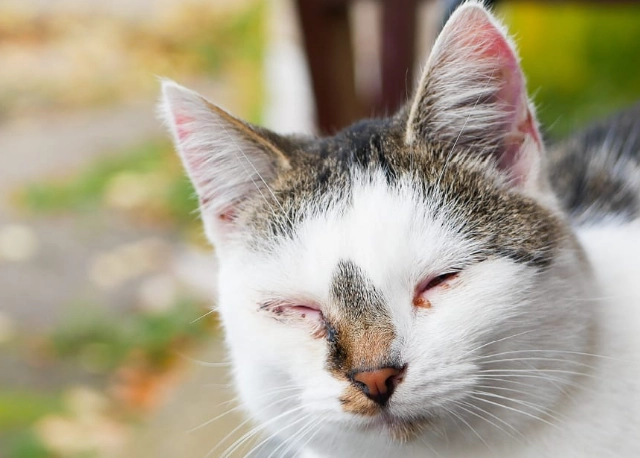
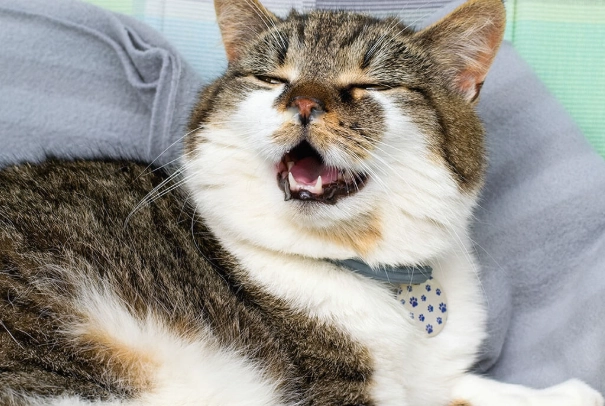
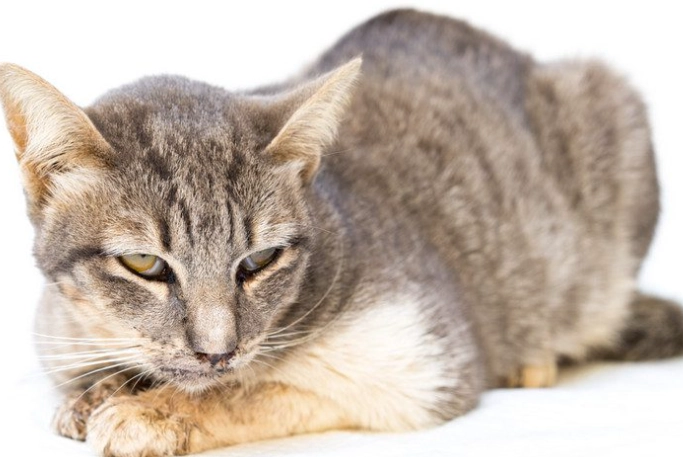
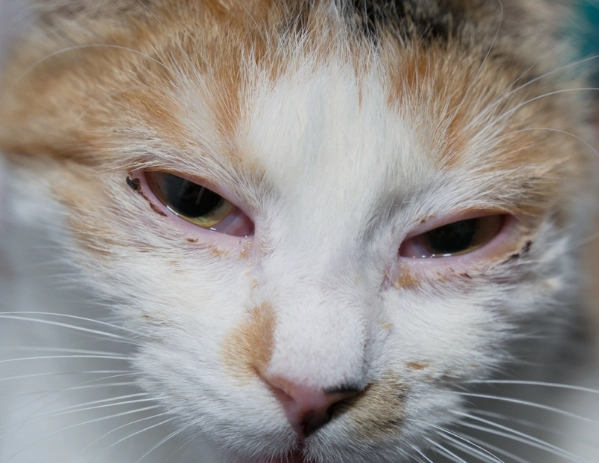
If you've found yourself searching for answers because your cat is sneezing, has goopy eyes, or just seems "off," you might be dealing with feline herpesvirus. Let's cut through the confusion. Feline herpesvirus type 1 (FHV-1) isn't a rare, scary disease. It's incredibly common—studies from places like the Cornell Feline Health Center suggest most cats are exposed in their lifetime. The real challenge isn't the initial infection; it's managing a virus that loves to hide and come back when your cat is stressed. I've seen too many owners panic or get stuck in a cycle of vet visits without a long-term plan. This guide is about moving from crisis management to confident, daily care. Think of FHV-1 like chickenpox in humans. After the first big infection (usually a nasty upper respiratory illness in kittenhood), the virus doesn't leave. It retreats into nerve cells, lying dormant. It's not actively making your cat sick every day. The problem is reactivation. Stress is the biggest trigger for bringing the virus out of hiding. A trip to the vet, a new pet in the house, even a change in your work schedule can be enough. This "latent" nature is what makes feline herpes so frustrating and chronic. You're not just treating one illness; you're managing a cat's lifelong relationship with a virus. Transmission happens through direct contact with infected saliva, eye/nose discharge, or even shared bowls and bedding. Kittens often get it from their mom. Once a cat has it, they have it for life. That's the hard truth, but it's not a death sentence—far from it. Key Point: Feline herpes is a viral infection. Antibiotics don't treat the virus itself. They are only used if a secondary bacterial infection sets in, which is common because the virus damages delicate respiratory tissues. This is a crucial distinction many owners miss. Symptoms can range from "Is he just sniffly?" to "I need to get to the emergency vet now." Knowing the spectrum helps you react appropriately. These are what most people associate with a feline herpes flare-up: These indicate a more severe infection or complications: I once fostered a cat, Whiskers, who had a mild flare-up. I thought it was just the "sniffles." Two days later, he was squinting badly. The vet found a deep ulcer. We saved his eye, but it was a lesson in not underestimating even subtle eye changes. There's no single perfect test. Diagnosis is often based on a combination of factors, which can feel vague but is standard practice. 1. History and Clinical Signs: Your vet will ask about your cat's background (shelter cat? multi-cat home?) and the pattern of symptoms. Recurrent eye/respiratory issues in an otherwise healthy cat is a major clue. 2. PCR Testing: This is the most common specific test. A swab from the eye, nose, or throat is sent to a lab to detect viral DNA. It's good for confirming an active infection. A negative test doesn't 100% rule it out, though. 3. Response to Treatment: Sometimes, if a cat improves dramatically on antiviral medication (like famciclovir), it's considered a strong indicator of herpes. 4. Ruling Out Other Causes: Other bugs like Chlamydia, Calicivirus, or Mycoplasma can look similar. Your vet might test for these too. The American Association of Feline Practitioners has guidelines on navigating these differential diagnoses. Treatment focuses on supporting the cat, managing symptoms, and fighting the virus directly during flare-ups. Here’s a look at what your vet might prescribe and why. A common mistake I see? Owners stop antiviral medication as soon as symptoms improve. Herpes needs a full course, often 2-3 weeks, to truly suppress the active replication. Stopping early invites a quick relapse. When your cat is sick, what you do at home is as important as the medication. 1. The Steam Room Effect: Run a hot shower, close the bathroom door, and sit with your cat in the steam for 10-15 minutes, 2-3 times a day. This loosens thick nasal discharge like nothing else. A cool-mist humidifier by their favorite sleeping spot works wonders too. 2. The Appetite Battle: If they can't smell, they won't eat. Warm up stinky, wet food (pate style is best) for a few seconds. Try offering tuna juice, chicken baby food (no onions/garlic), or a veterinary prescription appetite stimulant if needed. 3. Eye and Nose Duty: Gently wipe away crusty discharge with a soft, warm, damp cloth. Use a separate corner for each eye. Don't use over-the-counter human eye drops unless your vet specifically recommends one. 4. The Isolation Question: If you have other cats, isolate the sick one if possible. Herpes is highly contagious during an active flare-up. Use separate food bowls, water bowls, and litter boxes, and wash your hands. Since stress triggers reactivation, your long-term job is to be a stress-reduction manager. I advised a friend whose cat flared up every time she traveled. We set up a detailed sitter schedule mimicking her routine, left her worn t-shirt for scent, and used a pheromone diffuser. The next trip? No flare-up. It's about the details. Living with a cat with feline herpes requires a shift in mindset. It's not about achieving a magical cure. It's about building a resilient, low-stress life for your cat and having a clear action plan for when the virus rears its head. You become an expert in your cat's normal, so you can spot the abnormal early. With that knowledge, you can move from anxiety to confident management.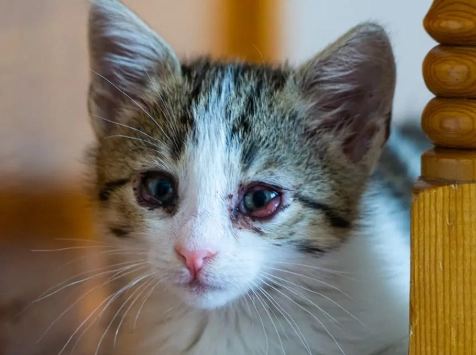
What You'll Find in This Guide
What Exactly Is Feline Herpesvirus (FHV-1)?
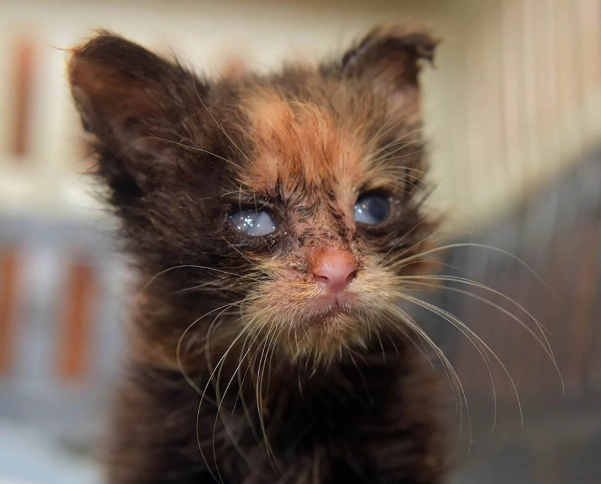
Spotting the Symptoms: From Mild Sneezes to Serious Trouble
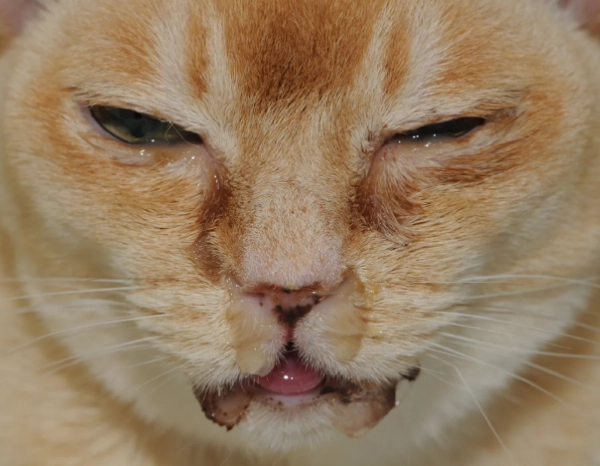
The Classic Signs (The "Usual Suspects")
The Signs You Can't Ignore (Time for the Vet)
How Vets Diagnose Feline Herpes
Treatment Options: A Practical Breakdown
Treatment Type
Common Examples
What It Does & Key Considerations
Antiviral Medications
Famciclovir (pills), Idoxuridine/Trifluridine (eye drops)
Attacks the virus directly. Famciclovir is often the first-line systemic drug. Important: Dosing for cats is different than for humans/dogs. A vet must calculate it.
L-Lysine Supplements
Powders, pastes, treats
An amino acid thought to inhibit viral replication. The evidence is mixed, but many vets and owners find it helpful for maintenance. It's very safe.
Supportive Care
Antibiotics (for bacteria), Eye lubricants, Appetite stimulants
Manages secondary issues. Antibiotics (like doxycycline) treat bacterial infections, NOT the herpes virus itself.
Immune Support
Interferon-omega, Probiotics
Modulates the immune response. Interferon is used more in Europe but available in some US clinics. Probiotics support overall gut health, linked to immunity.
Your Home Care Toolkit: The Non-Negotiables
Preventing Flare-Ups: It's All About Stress
Your Questions, Answered