Biggest Dog in the World: Breeds, Records, and Essential Care Tips
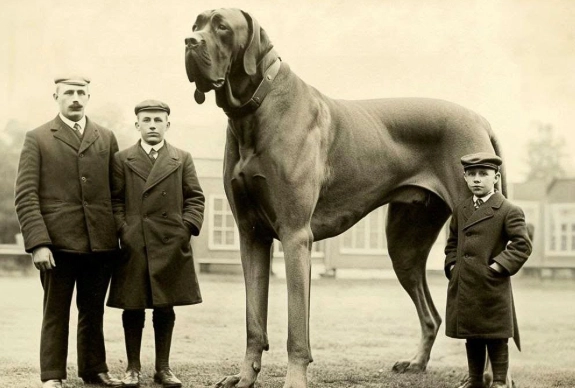
Let's cut to the chase: when people ask about the biggest dog in the world, they're usually thinking of the Great Dane or the English Mastiff. But it's not just about height or weight—it's about which breed consistently produces giants, and honestly, the Great Dane often takes the crown for tallest, while the English Mastiff wins for bulk. I've seen both up close; a friend's Mastiff once sat on my foot and I couldn't move for a minute. That's the reality of these dogs. According to Guinness World Records, the tallest dog ever was Zeus, a Great Dane who stood 44 inches at the shoulder. But the heaviest? That's an English Mastiff named Aicama Zorba, weighing over 340 pounds. These numbers aren't just trivia; they shape how you live with such a dog. If you're considering a giant breed, you need to know more than just stats—you need to understand the daily grind, the costs, and the joys that come with a canine the size of a small pony. Here's a quick table to show you the contenders. I based this on average height and weight from the American Kennel Club, but keep in mind individual dogs can vary wildly. Notice how the Great Dane leads in height, but the English Mastiff dominates in weight. I've met Leonbergers too—they're like big teddy bears, but they shed enough fur to stuff a pillow every week. That's something breed guides often gloss over. Great Danes are iconic for their height. They can tower over most humans when standing on hind legs. But here's a non-consensus point: many owners assume their size means they need a huge yard. Actually, Danes are couch potatoes indoors; they're prone to bloat, so vigorous exercise right after eating is a no-go. A neighbor of mine learned this the hard way when her Dane needed emergency surgery. Space matters, but structured routines matter more. English Mastiffs are all about mass. They have a wrinkled face and a calm demeanor, but their drool is legendary—I'm talking slobber on ceilings if they shake their head. Weight-wise, they can exceed 200 pounds easily. The trick with Mastiffs is joint care; their hips and elbows suffer under that weight, so supplements and controlled growth are critical. Most breeders I've talked to emphasize slow feeding to prevent obesity, which is a silent killer for these giants. Zeus the Great Dane holds the Guinness World Record for tallest dog at 44 inches (111.8 cm) from foot to shoulder. He lived in Michigan and passed away in 2014. But let's talk about the elephant in the room: record-holders often have unique genetics or care, and it doesn't mean every dog of that breed will hit those sizes. For instance, Zeus ate 30 pounds of food every two weeks—a cost many overlook when dreaming of a record-breaking pet. Another notable giant was Aicama Zorba, an English Mastiff from the UK, weighing 343 pounds. His size was partly due to lineage, but also careful nutrition. However, big isn't always better; Zorba faced mobility issues later in life. That's a trade-off: extreme size can shorten lifespan or increase health risks. In my experience, aiming for a healthy mid-range weight is smarter than chasing records. Fun fact: The term "biggest dog" can refer to height, weight, or length. Most records focus on height, but some enthusiasts track length too—like a Dachshund might be longest relative to breed, but for giants, it's usually height that wins. Owning a giant dog isn't just about feeding them more. It's a lifestyle shift. Here are the essentials, broken down: One subtle mistake: people buy giant breeds for protection, but these dogs are often too friendly to be guard dogs. A Saint Bernard is more likely to lick an intruder than bite them. Let's debunk some myths. First, "big dogs are aggressive." Nope—breeds like Great Danes and Leonbergers are known for gentle temperaments. Aggression often stems from poor training, not size. Second, "they need tons of exercise." Actually, many giants are couch potatoes; overworking them can cause joint stress. Third, "they live as long as smaller dogs." Sadly, giant breeds have shorter lifespans, often 8-10 years. That's a heartbreak owners should prepare for. From my observations, the biggest misconception is that size equals strength for tasks like pulling sleds. But giant breeds aren't built for endurance; they're for companionship or guarding. An Irish Wolfhound might look rugged, but they're sprinters, not marathon runners. Wrapping up, the biggest dog in the world isn't just a curiosity—it's a commitment. Whether you're drawn to the towering Great Dane or the massive English Mastiff, understand that their care demands attention to detail. Start with reputable breeders who health-test, and join online communities for support. I've learned more from fellow giant dog owners than any book. If you're still on the fence, volunteer at a shelter that has large breeds. Getting hands-on experience beats all the research. And remember, size doesn't define personality; these giants often have hearts to match their stature.Jump Straight to What Matters
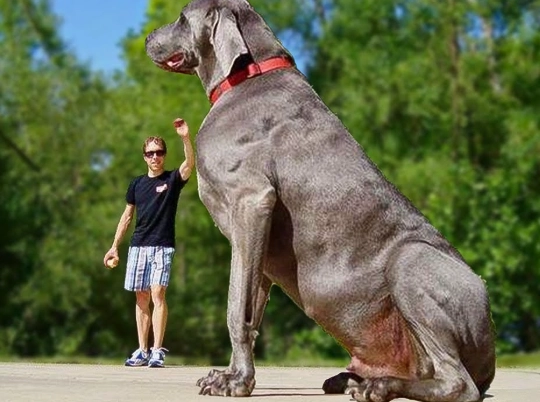
Top 5 Largest Dog Breeds Ranked
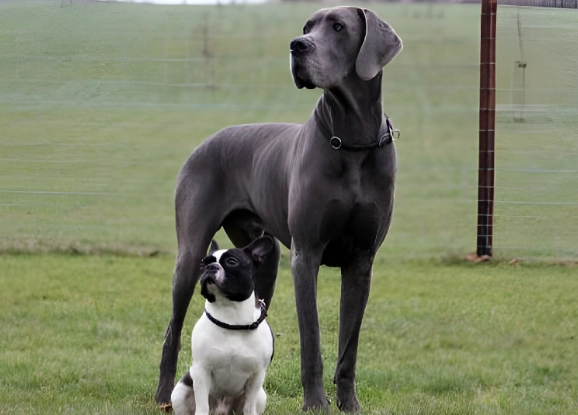
Breed
Average Height (inches)
Average Weight (pounds)
Key Trait
Great Dane
30-34
140-175
Tallest, often called "gentle giant"
English Mastiff
27-30
160-230
Heaviest, massive bone structure
Saint Bernard
26-30
140-180
Powerful rescue dog, thick coat
Irish Wolfhound
32-34
115-180
Tall and lean, built for speed
Leonberger
28-31
110-170
Family-friendly, lion-like appearance
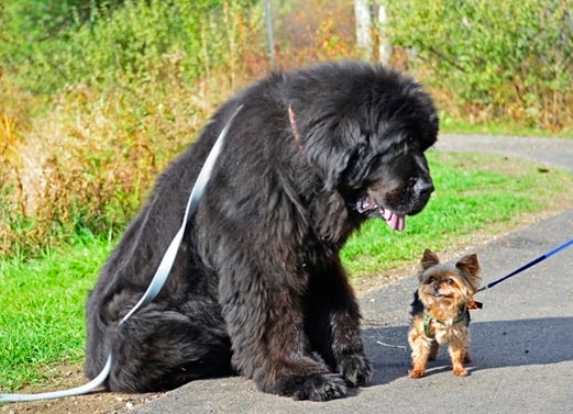
Great Dane: The Apollo of Dogs
English Mastiff: The Gentle Behemoth
The Record Holder: Biggest Dog Ever
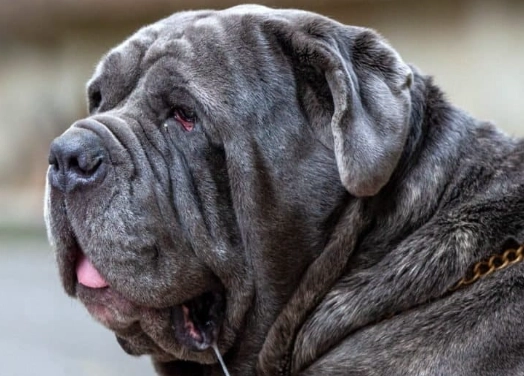
Caring for a Giant Dog: What You Need to Know
Common Misconceptions About Big Dogs
Your Giant Dog Questions Answered