Understanding Hamster Lifespan: How Long Do Hamsters Live?
Let's be honest upfront – a hamster's life is short. Much shorter than many first-time owners expect when they bring that fluffy ball of energy home. The typical hamster lifespan ranges from 1.5 to 3.5 years, with most living around 2 to 2.5 years. That's the hard truth. But within that range, there's a world of difference between a hamster that just survives and one that thrives for its full, natural potential. The gap often comes down to care, knowledge, and avoiding some subtle mistakes even well-meaning owners make. Not all hamsters are created equal when it comes to longevity. The species you choose sets the baseline. This is the single biggest factor you control before even getting the pet. See that Roborovski lifespan? It's a common point of confusion. People see "dwarf" and think "more delicate, shorter life," but it's the opposite. Their metabolism and hardiness in captivity often give them an edge. The flip side is that the popular Campbell's dwarf often lands on the shorter end, partly due to rampant inbreeding in large-scale commercial breeding. Where you get your hamster matters. A hamster from a responsible, small-scale breeder focusing on health and temperament often has stronger genetics and a better start than one from a crowded pet store enclosure. I've seen the difference in robustness firsthand. It might cost a bit more upfront, but you're investing in potentially healthier years. Genetics and species give you the starting line. Everything else that happens from there is the race. Think of these as the dials you can turn to optimize your hamster's life. This is where I see the most consistent, subtle error. It's not just about "feeding enough." It's about feeding right. A seed-only mix is like letting a kid live on candy – it's deficient in protein, encourages picky eating, and leads to obesity and malnutrition. A proper, high-quality lab block or pellet as a base, supplemented with a small amount of a varied seed mix, fresh veggies (like broccoli florets, cucumber), and occasional protein (mealworm, plain cooked chicken) is the gold standard. Overfeeding fruits or sugary treats (carrots, corn) is a huge, silent problem, especially for dwarf species prone to diabetes. You won't see the blood sugar spikes, but you'll see the impact over time. Stress kills, slowly. A hamster in a cramped, barren, or constantly disrupted cage is under chronic stress. This suppresses the immune system. The minimum cage size recommendation from organizations like the Royal Society for the Prevention of Cruelty to Animals (RSPCA) is 100cm x 50cm of unbroken floor space, but bigger is almost always better. Deep bedding (6+ inches) for burrowing isn't a luxury; it's a core behavioral need that reduces stress. Noise and light matter. Placing the cage in a high-traffic family room with a blaring TV, or in a room that stays brightly lit past dusk, disrupts their nocturnal rhythm and keeps them on edge. Many hamsters never see a vet. Owners assume small pet = no care needed, or that vets can't help. This is wrong. Annual check-ups with an exotic vet (not all vets are skilled with hamsters) can catch early dental issues, heart problems, or tumors. Respiratory infections, common in damp or drafty conditions, need antibiotics to resolve. Leaving a "sniffle" untreated can shorten a hamster's life significantly. This is the actionable part. Here’s your checklist for giving your hamster its best, longest life. Start with Real Estate. Get the biggest, most appropriate enclosure you can. A large bin cage or a tank with a mesh lid often works better than many commercially sold "hamster cages" which are tragically too small. More space means more room for exercise wheels (solid-surface, 8-12 inches diameter), hides, and foraging areas. Master the Diet. Ditch the sugary, seed-only mixes. Use a high-quality commercial block as 70-80% of the diet. Scatter-feed the rest to encourage natural foraging behavior. Fresh water, changed daily, in a bottle and a dish gives them options. Think Like a Hamster. Provide deep, paper-based bedding. Give them multiple hides (ceramic, wood). Offer a sand bath for cleaning (chinchilla sand, not dust). Rotate safe chew toys to prevent boredom and overgrown teeth. This environmental enrichment isn't just fun; it's preventative healthcare. Handle with Care & Consistency. Gentle, predictable handling builds trust and reduces stress. Never wake a sleeping hamster abruptly. Support their entire body. For nervous hamsters, try taming in a small, neutral play area instead of reaching into their home. Be a Detective. Weigh your hamster weekly with a kitchen scale. A sudden weight loss is often the first sign of illness. Check their fur, eyes, and activity level daily. Know what's normal for your pet so you spot deviations fast. Around 18-24 months, you might notice changes. It's gradual. They sleep a bit more, run on the wheel a bit less. Their fur might lose some luster or thin slightly. They might be less agile climbing. Appetite can decrease. These are normal signs of aging, not necessarily illness. The key is differentiating aging from sickness. Lethargy paired with hunched posture, wet tail fur (diarrhea), labored breathing, or lumps are red flags needing a vet. For an aging hamster, focus on comfort: easier access to food and water, softer bedding, lowering platform heights to prevent falls, and even more gentle handling. Indirectly, yes, in a significant way. A larger, properly enriched cage drastically reduces chronic stress. Lower stress means a stronger immune system, less compulsive bar-chewing or pacing (stereotypical behaviors), and more natural exercise. It's the foundation of preventative health. Think of it as providing a healthy hometown rather than a stressful prison cell. This is heartbreakingly common. Without knowing specifics, the usual suspects are a combination of factors: genetics from a poor breeding source, an inadequate diet high in sugars and fats, a cage that was too small and stressful, and possibly an undetected illness like a respiratory infection that wasn't treated. Often, it's not one big mistake but several smaller ones that compound. It's a tough lesson, but one that emphasizes how crucial proper research is before bringing any pet home. There's a concerning link, particularly in dwarf hamsters. Certain desirable "fancy" colors like Campbell's dwarf "platinum" or "argente" are linked to specific genes. The breeding for these coat colors can sometimes inadvertently pair genes that also carry a predisposition for conditions like diabetes or neurological issues. It's not that the color itself causes the problem, but the genetics behind it. This is a strong argument for choosing a hamster from a breeder who prioritizes health over rare coloration. Be kind to yourself. Hamsters are prey animals and hide illness brilliantly, so sometimes things happen quickly. Reflect on the care you provided against current best practices (like those from the ASPCA's small pet care guides). If you provided a large cage, proper diet, vet care when needed, and a low-stress environment, you likely gave them a good life, and genetics or an unlucky illness were the culprit. Guilt isn't helpful, but honest evaluation is how we learn to do better for the next pet. An older hamster's digestive system is less resilient. A sudden, complete switch in diet can cause digestive upset, diarrhea (which is very dangerous for hamsters), and refusal to eat. If you need to change food, do it over 7-10 days by slowly mixing increasing amounts of the new food with the old. For senior hamsters, even slower is better. Their habits are set, and stability is key to their comfort and health.
Quick Guide: What You'll Learn
Lifespan by Breed: Which Hamster Lives Longest?
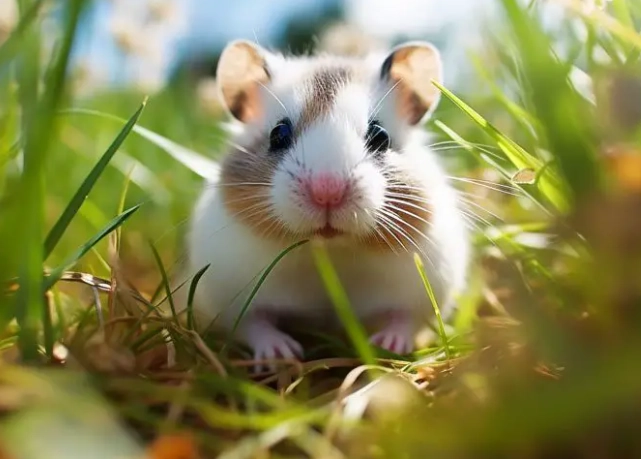
Hamster Species
Average Lifespan
Key Characteristics
Lifespan & Care Focus
Syrian (Golden) Hamster
2 - 3 years
Largest common pet hamster, solitary, generally docile.
Often reaches the upper end of the range with good care. Prone to diabetes if diet is poor.
Roborovski Dwarf Hamster
3 - 3.5+ years
Tiny, very fast, can be skittish, sometimes kept in pairs.
The longevity champions. Their small size and high energy need a very secure, spacious setup.
Campbell's & Winter White Dwarf Hamsters
1.5 - 2.5 years
Small social dwarfs, often confused, can be kept in same-sex pairs.
Particularly susceptible to diabetes (Campbell's). Lifespan heavily influenced by genetics from the breeder.
Chinese Hamster
2 - 3 years
Longer, mouse-like tail, solitary, agile climbers.
Need vertical space and climbing opportunities. A stressed Chinese hamster is more prone to illness.
What Determines How Long a Hamster Lives?
Diet: The Fuel That Builds Health or Disease
Environment: More Than Just a Cage

Veterinary Care: The Overlooked Factor
How to Extend Your Hamster's Lifespan

How Can I Tell If My Hamster Is Getting Old?
Your Hamster Lifespan Questions Answered