Can Dogs Eat Beans? A Vet's Guide to Safe & Unsafe Beans
Yes, dogs can eat certain beans, but it's not a simple yes or no. Think of beans like a toolbox – some tools are perfect for the job, others are useless, and a few are downright dangerous if you don't know how to handle them. The short answer is that plain, cooked beans like black beans, kidney beans, or pinto beans can be a safe, occasional treat. But raw beans, canned beans loaded with salt and preservatives, or certain seasoned bean dishes are a hard no.
I've seen too many well-meaning owners cause their dogs unnecessary discomfort by misunderstanding this. Let's clear it up.
What's Inside?
The Good, The Bad, and The Toxic: A Bean-by-Bean Breakdown
Not all beans are created equal in a dog's world. Here’s a quick reference table, then we'll dive into the details.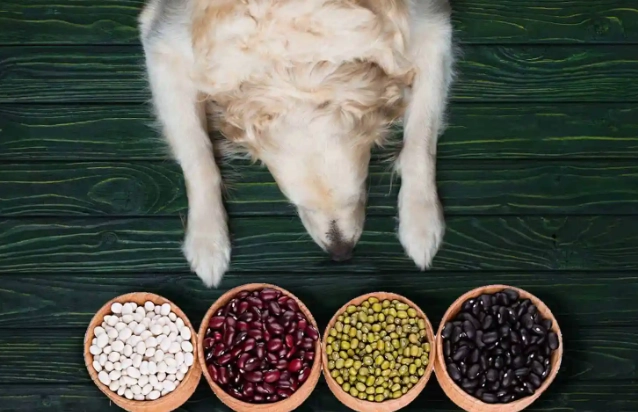
| Bean Type | Safe for Dogs? | Key Notes & Precautions |
|---|---|---|
| Black Beans | Yes | Must be fully cooked, plain, and unsalted. A good source of fiber and protein. |
| Kidney Beans | Yes (Cooked) | Raw or undercooked are toxic. Contain phytohaemagglutinin. Always cook thoroughly. |
| Pinto Beans | Yes | Plain, cooked, and rinsed. Easy on digestion in small amounts. |
| Chickpeas (Garbanzo) | Yes | Cooked and plain. Avoid hummus (contains garlic, lemon, tahini). |
| Lentils | Yes | Cooked and plain. Can cause gas if introduced too quickly. |
| Green Beans | Yes | Excellent low-calorie treat. Can be raw, steamed, or canned (no salt). |
| Baked Beans | No | Loaded with sugar, onions, garlic, and tomato sauce – all problematic. |
| Canned Beans (in sauce) | No | High sodium, preservatives, and often contain onion/garlic powder. |
| Coffee Beans | No (Toxic) | Contain caffeine, which is poisonous to dogs. |
| Raw Kidney Beans | No (Toxic) | Extremely high in lectins, causing severe GI upset. |
See the pattern? Processing and additives are often the real villains.
Why Green Beans Are a Superstar
Green beans deserve their own shout-out. They're crunchy, low in calories, and most dogs love them. I often recommend them as a filling snack for dogs on a diet. You can use them as training treats. Just snap them into small pieces.
One client replaced a third of her Labrador's kibble with steamed green beans. The dog lost the extra weight without feeling hungry all the time. It worked because the beans added bulk and fiber with minimal calories.
The Kidney Bean Trap
This is a classic mistake. Raw or undercooked kidney beans contain high levels of a natural toxin called phytohaemagglutinin. It can cause severe vomiting and diarrhea. Proper boiling (at 100°C/212°F for at least 10 minutes) destroys this toxin completely.
If you're cooking dried kidney beans for yourself, make sure they reach a full, rolling boil for that time. Don't just simmer them from the start. That quick soak-and-simmer method isn't enough to neutralize the lectins for your dog.
How to Safely Feed Beans to Your Dog
Okay, so you've got some plain, cooked black beans. Now what? Throwing a handful into the bowl isn't the best approach.
The Golden Rule: Beans should be a treat, not a meal replacement. They should never make up more than 10% of your dog's daily caloric intake. For a medium-sized dog, that's about a tablespoon or two of beans, a few times a week at most.
Here’s your safe-serving checklist:
- Cook Them Thoroughly: Always. No raw beans, ever. This improves digestibility and kills toxins.
- Rinse Them Well: If using canned beans (choose low-sodium or no-salt-added), rinse under cold water for a minute to wash away excess sodium and the starchy liquid that causes gas.
- Keep It Plain: No salt, no sugar, no butter, no oils, no onions, no garlic, no spices. Just the bean itself.
- Start Small: Introduce a single bean or a teaspoon-sized amount. Watch for any signs of gas, bloating, or loose stools over the next 24 hours.
- Mash or Crush Them: This makes it easier for your dog to digest and helps prevent choking, especially for smaller dogs.
I mix a spoonful of mashed pinto beans into my own dog's food maybe once a week. He gets the variety and fiber benefit without his system getting overwhelmed.
The Hidden Dangers Most Owners Miss
Beyond the obvious toxins, there are subtler risks that don't get enough attention.
The Gas and Bloat Problem. Dogs have shorter digestive tracts than humans. Complex sugars in beans (oligosaccharides) ferment in their gut, producing gas. For some dogs, this is just a bit of flatulence. For deep-chested breeds like Great Danes or German Shepherds, excessive gas can contribute to the serious, life-threatening condition called Gastric Dilatation-Volvulus (GDV), or bloat. If your dog is prone to gas, beans might not be worth the risk.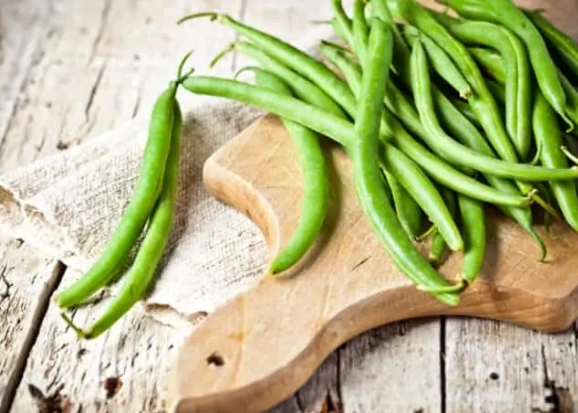
A Real Story: A friend thought she was being healthy by giving her Boxer some of her homemade “healthy” baked beans. She didn't realize the recipe contained onion powder. The dog spent the night at the emergency vet with vomiting and elevated heart rate. Onion toxicity is cumulative and can damage red blood cells over time. It wasn't a huge amount, but it was an entirely preventable scare.
Phytic Acid and Nutrient Blocking. Beans contain phytic acid, which can bind to minerals like zinc, iron, and calcium, preventing your dog from absorbing them fully. This isn't a big deal for an occasional treat, but if beans became a daily staple, it could theoretically contribute to mineral deficiencies over a long period.
The Protein Misconception. Some owners look at the protein content in beans and think they're a great meat substitute. They're not. Dog protein must be primarily animal-based. Plant proteins like those in beans are incomplete for dogs and lack essential amino acids like taurine, which is critical for heart health. Relying on beans for protein is a nutritional dead-end for your dog.
Your Bean Questions, Answered

So, can dogs eat beans? With the right knowledge, yes – but it's a conditional yes. Stick to plain, cooked varieties, treat them as a minor supplement, and always be more cautious than you think you need to be. Your dog's digestive system will thank you.
Related Articles