Can Dogs Eat Olives? Vet-Approved Safety Guide & Risks
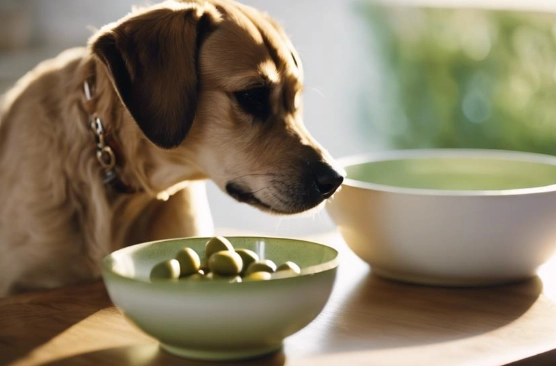
Most olives are safe for dogs in tiny amounts, but here's the catch: it's not about the olive itself most of the time. The real risks come from pits, salt, garlic, and other additives. I've seen dogs get into trouble over seasoned olives more than once. Let's cut to the chase so you know exactly what to do. Plain, pitted olives in moderation? Generally fine. But most olives aren't plain. The olive fruit itself isn't toxic to dogs. According to the ASPCA, olives aren't listed as poisonous plants. However, that's just the start. The problem is how olives are prepared for humans. I remember a client's Labrador who ate a whole jar of garlic-stuffed olives. That led to a rushed vet visit for garlic toxicity. So, safety depends entirely on the type and amount. Olives offer little nutritional value for dogs. They have some healthy fats and vitamins, but dogs get those from their regular diet. There's no real benefit to feeding olives, so why risk it? If you do, keep it minimal. Not all olives are created equal. Here's a quick table to show the differences based on my experience and vet resources. Green vs. black olives? Color doesn't matter much—it's about ripeness. Both have similar risks if processed. The real issue is the brine or stuffing. A subtle mistake many owners make: thinking "organic" olives are safe. Organic doesn't mean low-salt or pit-free. Always check the label for ingredients. Salt poisoning in dogs is serious. Symptoms include vomiting, diarrhea, tremors, and even seizures. Just a few salted olives can push a small dog over the limit. I've treated a Pomeranian who ate three salted olives and needed IV fluids. It's not worth the risk. Olive pits can cause blockages that require surgery. Even if your dog chews it, sharp fragments might damage the intestines. Always pit the olive yourself—don't rely on store-bought "pitted" ones; sometimes pits are missed. If you insist on giving olives, follow these steps. But honestly, there are better snacks out there. First, assess your dog's size. A large breed like a German Shepherd might handle one olive, but a Chihuahua? Half an olive is pushing it. As a rule, olives should be less than 10% of your dog's daily calories. For most dogs, that's one small olive per week at most. Preparation steps: Why chop it? Dogs tend to swallow things whole. I've seen a dog gulp down an entire olive and then cough for minutes. Chopping reduces that risk. Monitor your dog after feeding. Look for signs like gas or loose stools. If anything seems off, skip olives in the future. Even with precautions, things can go wrong. Here's what to watch for if your dog eats olives, especially the wrong kind. Symptoms of olive-related issues: If your dog eats a large amount of risky olives, don't wait. Call your vet or an animal poison control center right away. Have the olive packaging ready—ingredients matter. I recall a case where a dog ate marinated olives with unknown spices. The owner delayed calling because the dog seemed fine initially. By day two, there was liver inflammation. Early intervention is key. Vets might induce vomiting if ingestion was recent, provide activated charcoal, or offer supportive care like IV fluids. For pit blockages, X-rays and surgery may be needed. It's costly and stressful, so prevention is better. Why bother with olives when there are safer options? Here are some vet-approved snacks that dogs love and are actually beneficial. Stick to treats made for dogs. Human food always carries hidden risks. If you want to give something special, consult your vet first. Ultimately, olives are a human snack with little upside for dogs. When in doubt, skip it. Your dog won't miss out, and you'll avoid potential vet bills. Focus on a balanced diet and safe treats designed for canines.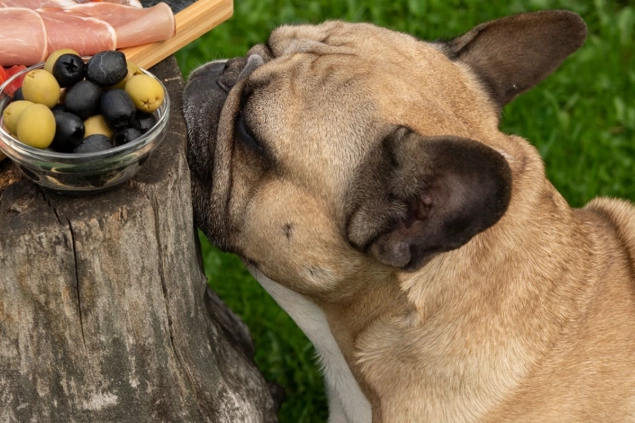
What You'll Learn in This Guide
Are Olives Safe for Dogs? The Basic Answer
Olive Types Breakdown: What's Safe and What's Not

Olive Type
Safe for Dogs?
Key Risks
Vet Recommendation
Plain, Pitted Olives (no salt added)
Yes, in tiny amounts
Low risk; watch for digestive upset
One or two max, occasionally
Salted Olives
No
High sodium can cause salt poisoning
Avoid completely
Garlic or Onion Stuffed Olives
No
Toxic; can cause anemia
Never feed; emergency if ingested
Olives with Pits
No
Choking hazard, intestinal blockage
Remove pits always
Marinated Olives (with herbs/spices)
No
Unknown seasoning risks, high fat
Best to avoid
Canned Olives (in brine)
No
Excess salt and preservatives
Not recommended

Why Salted Olives Are Dangerous
The Pit Problem: More Than Just Choking
How to Feed Olives to Your Dog Safely
Risks and Symptoms You Should Watch For
What Vets Do in Emergency Cases
Better Snack Alternatives for Dogs
Common Questions Answered