Are Roses Toxic to Cats? What Every Cat Owner Must Know
You just got a beautiful bouquet, or maybe your garden roses are in full bloom. Your cat gives it a curious sniff. A wave of panic hits you. Wait, are roses toxic to cats? Let's cut straight to the chase. The short answer is: the rose plant itself (Rosa species) is considered mildly toxic to cats. But here's the crucial part most articles miss – the primary danger often isn't the rose's inherent toxicity. It's the thorns, the pesticides, and the floral preservatives in that vase. If your cat just took a tiny nibble of a petal from an organic, thornless rose you grew yourself, you can probably breathe. But if they chewed on a stem with thorns or a store-bought rose treated with chemicals, that's a different story. I've been writing about pet safety for a decade, and I've seen too many owners focus on the wrong thing. We obsess over lists of "toxic" and "non-toxic" plants (which are important!), but we forget about physical trauma and chemical contamination. This guide will walk you through exactly what parts of the rose pose a risk, what symptoms to watch for, the immediate steps to take, and how to create a safer environment. Because keeping our cats safe isn't about living in a sterile bubble; it's about managing real-world risks intelligently. Let's break down the rose. The plant itself contains compounds that can irritate a cat's digestive system. The main culprits are found in higher concentrations in the leaves and stems. The petals are generally the least problematic part, but they can still cause issues if eaten in quantity. The ASPCA lists roses as non-toxic, but they classify them in a way that means they're not considered a severe poison. The Pet Poison Helpline notes they can cause gastrointestinal upset. This discrepancy confuses owners. Think of it like this: roses aren't a deadly poison like lilies, but they're an irritant that can make your cat feel pretty miserable. Key Takeaway: The rose's toxicity is primarily gastrointestinal. It's unlikely to cause organ failure, but it can definitely lead to a bad day of vomiting and diarrhea for your kitty. The real risk level shifts dramatically based on other factors we'll discuss next. If your cat decides to sample your roses, symptoms usually appear within a few hours. Severity depends on how much they ate, their individual sensitivity, and what else was on the plant. Common signs of rose ingestion include: Now, here's where it gets more serious. If the problem is not the rose itself but something on it, symptoms can be more severe or different. Don't panic. Follow these steps methodically. Your calm response is key. When to Go Straight to the Emergency Vet: If your cat is showing any neurological signs (tremors, seizures, wobbliness), having difficulty breathing, has visible mouth injuries from thorns, or is repeatedly vomiting and seems in distress, skip the call and go directly to the nearest emergency animal hospital. Time is critical. This is the expert-level insight many miss. The rose plant's mild toxicity is often the least of your worries. Rose thorns aren't just sharp; they're dirty. A puncture wound inside the mouth or esophagus can easily become infected. I once spoke with a vet who treated a cat for a severe abscess deep in its cheek from a tiny, almost invisible rose thorn puncture. The cat had been listless and off food for days before the cause was found. Thorns can also cause corneal scratches if a cat brushes against a bush. This is the biggest hidden risk, especially with store-bought or commercially grown roses. You have no way of knowing what chemicals are on a bouquet. Assume they are present. Even "organic" garden centers may use pesticides approved for organic use that are still not safe for ingestion by pets. You don't have to live in a flowerless house. Plenty of stunning plants pose little to no risk to cats. The ASPCA website is an invaluable resource for checking specific plants. Here's a curated list of truly safe bets that still give you that pop of color and life. My personal strategy? I keep my living room full of spider plants and orchids. For cut flowers, I stick to snapdragons or sunflowers from my own pesticide-free garden. It's about creating a compromise that keeps everyone happy and healthy. My cat just ate a single rose petal from my Valentine's bouquet. Is this an emergency? A single petal is unlikely to cause more than a minor stomach upset, if anything. The bigger concern is the bouquet's source. Was it from a grocery store or florist? It's almost certainly treated with preservatives and possibly pesticides. Watch your cat closely for the next 6-12 hours for vomiting, drooling, or diarrhea. If you see any of those symptoms, or if your cat acts lethargic, call your vet. For peace of mind, you can always call a poison control hotline and describe the bouquet's origin. Are some rose varieties safer than others for cats? In terms of the plant's inherent toxicity, not really. All Rosa species contain similar irritating compounds. However, you can manage risk by choosing thornless rose varieties for your garden (like many Floribunda or some Knock Out® roses). This eliminates the physical injury risk. The safest rose is one you grow yourself without any chemical sprays. Even then, expect some GI upset if your cat decides to make a meal of it. What's more dangerous: the rose plant or the water in the vase? In most cases involving store-bought bouquets, the vase water is the greater hazard. Floral preservative packets contain a mix of sugars (to feed the flower), acidifiers, and antimicrobial agents (like bleach or quaternary ammonium compounds). This cocktail is extremely irritating and potentially toxic if ingested. Cats are often drawn to drink from vases. Always keep vases in inaccessible places and change the water frequently if you must have risky flowers, but better yet, use safe alternatives. How can I cat-proof my garden roses? Complete cat-proofing outdoors is tough, but you can deter them. Plant roses in a raised bed or dedicated area you can surround with chicken wire or decorative fencing. You can also interplant roses with strong-smelling cat deterrents like lavender, rosemary, or lemon thyme—many cats dislike these scents. Most importantly, commit to never using systemic pesticides. Use organic gardening methods and physical pest removal (like hosing off aphids) instead. Providing a dedicated, attractive patch of cat grass or catnip away from the roses can also give them a preferred alternative to chew on.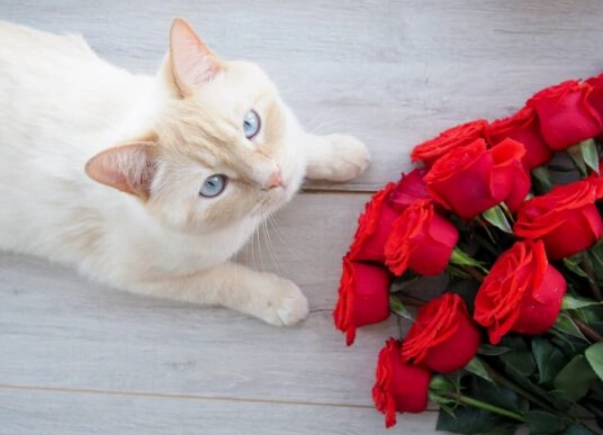
What You'll Find in This Guide
What Makes Roses a Problem for Cats?
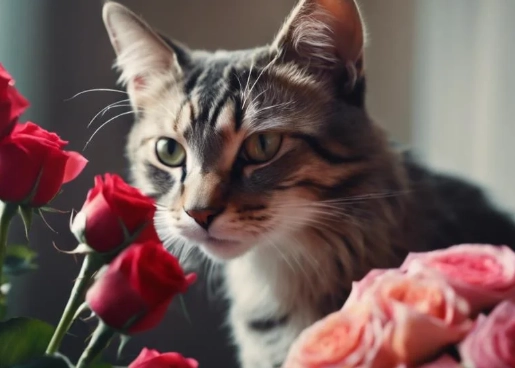
Symptoms: What Happens If a Cat Eats a Rose?
My Cat Ate a Rose! What Do I Do Right Now?
The Greater Dangers: Thorns, Pesticides, and Preservatives

The Thorn Hazard
The Invisible Chemical Threat

Chemical Source
Why It's Dangerous
Common Signs of Exposure
Systemic Pesticides (in the plant)
Absorbed by the plant, so washing doesn't remove them. Can include neonicotinoids or other insecticides toxic to nerves.
Tremors, seizures, salivation, vomiting, weakness.
Surface Pesticides/Fungicides (on the plant)
Sprayed on leaves and petals. While sometimes water-soluble, they are highly concentrated.
Oral irritation, drooling, vomiting, diarrhea.
Floral Preservatives (in vase water)
Contain biocides and sugars. If a cat drinks the vase water, it can cause severe GI upset.
Vomiting, diarrhea, possible kidney issues from certain preservatives.

Safe & Beautiful Flower Alternatives for Cat Homes

Your Burning Questions Answered