Ear Lice in Dogs: A Vet's Guide to Symptoms & Safe Treatment
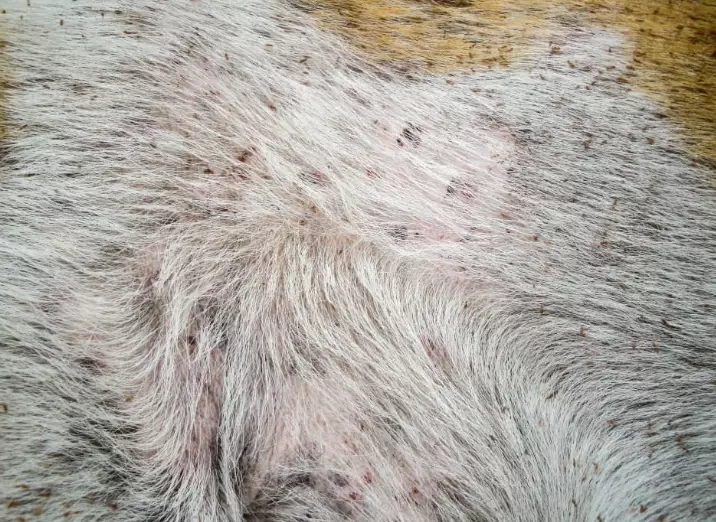
Let's clear something up right away. If you searched for "ear lice in dogs," you're likely dealing with a different, but very common, problem. True lice (the kind that infest human heads) are species-specific. Dogs get their own kind of lice, but they're rarely found solely in the ears. What most owners describe as "ear lice" are almost always ear mites (Otodectes cynotis). These tiny parasites are a major cause of that frantic ear scratching and head shaking you're seeing. I've been a vet for over a decade, and the confusion between lice and mites is incredibly common. It matters because the treatment approach differs. This guide will cut through the jargon, show you exactly what to look for, and walk you through the steps to get your dog comfortable again. We'll cover everything from the gritty details of diagnosis to the treatment options your vet will recommend (and a few they might not). Ear mites are like tiny vampires for your dog's ear canal. They feed on skin debris and tissue fluids, and their presence causes intense irritation. Here's the classic picture: A Crucial Distinction: Many other conditions mimic ear mites. A yeast infection, bacterial infection, or even a grass seed stuck in the ear can cause similar scratching. The "coffee ground" debris is the biggest clue pointing toward mites, but it's not 100% definitive. I've seen plenty of yeast infections with dark discharge that owners were sure were mites. Dog lice (Trichodectes canis or Linognathus setosus) are less common than mites, especially in well-cared-for pets. They tend to spread in crowded, unsanitary conditions like some shelters or puppy mills. If present, you'd see them on the body, not isolated to the ears. They look like small, slow-moving, tan or gray specks glued to the hair shafts. You'd see more generalized itching, a rough/dull coat, and possibly hair loss. It's a different ballgame. Don't just guess and buy an over-the-counter product. Misdiagnosis leads to wasted money, prolonged suffering, and can make other conditions worse. Here's the professional process. Your vet will use an otoscope to look deep into the ear canal, checking for mites, debris, and the state of the eardrum (crucial, as some medications can't be used if it's ruptured). The gold standard is taking a sample of that dark discharge, placing it on a slide with mineral oil, and examining it under a microscope. Under the microscope, ear mites are unmistakable. You'll see tiny, white, moving specks. Sometimes you can even see them scurrying away from the light of the otoscope. Can you see ear mites with the naked eye? Barely. They're about the size of a pinhead. You might see them as tiny white moving dots against the dark debris if you have phenomenal eyesight, but the microscope is the only way to be sure. A common home "test" is to take some debris on a dark paper towel and wait a minute. If you see tiny white specks moving, that's suggestive, but still not as reliable as a vet's exam. Why go to the vet? Because that microscope check also looks for yeast and bacteria. Many dogs have a mixed infection—mites PLUS yeast/bacteria. Treating only for mites leaves the other half of the problem raging. Information from the American Animal Hospital Association (AAHA) emphasizes the importance of accurate diagnosis for effective otitis treatment. Once diagnosed, treatment is usually straightforward but requires consistency. Gone are the days of messy, daily ear drops that dogs hate. Modern medicine is much easier. Here's a step-by-step for home care during treatment: 1. The Clean (If Advised by Your Vet): Squeeze a good amount of cleaner into the ear canal. Gently massage the base of the ear for 20 seconds—you'll hear a squishing sound. Stand back and let your dog shake. Use a cotton ball or gauze to wipe out the loosened gunk from the outer ear folds. Don't probe deep. 2. The Medication: Wait 10-15 minutes after cleaning if using separate drops. Apply the exact number of drops prescribed, deep into the canal. Massage again. 3. The Environment: Mites can live off the host for a limited time. Wash your dog's bedding in hot water. Vacuum carpets and upholstery. If you have other pets (especially cats, who are mite magnets), they likely need treatment too, even if they show no symptoms. Your vet can advise. Prevention is simpler than treatment. Since ear mites are highly contagious between pets, the key is routine care and parasite control. The bottom line is this: what people call "ear lice" in dogs is almost always ear mites. They're a pain, but they're treatable. Don't waste time and risk your dog's comfort with guesswork or old wives' tales. A quick trip to the vet for a proper look under the microscope will get you the right diagnosis and the most effective, modern treatment to stop the scratching and get those ears healthy again. Your dog will thank you for it.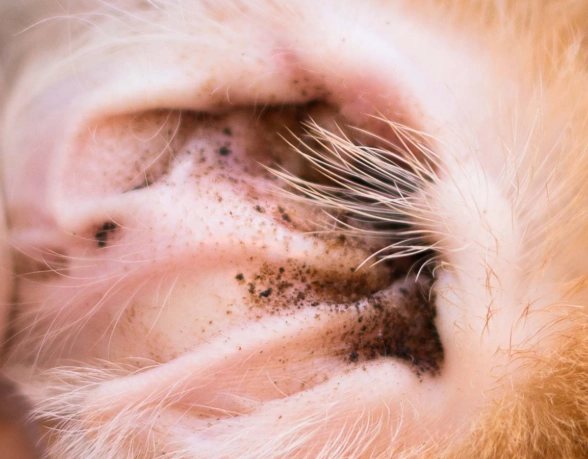
What You'll Find in This Guide
The Real Symptoms: Is It Ear Mites or Something Else?

What About Actual Dog Lice?
Getting a Diagnosis: What the Vet Does (And What You Can Do at Home)

Treatment Options: From Prescription Drops to Home Care
Treatment Type
How It Works
Pros
Cons / Vet's Note
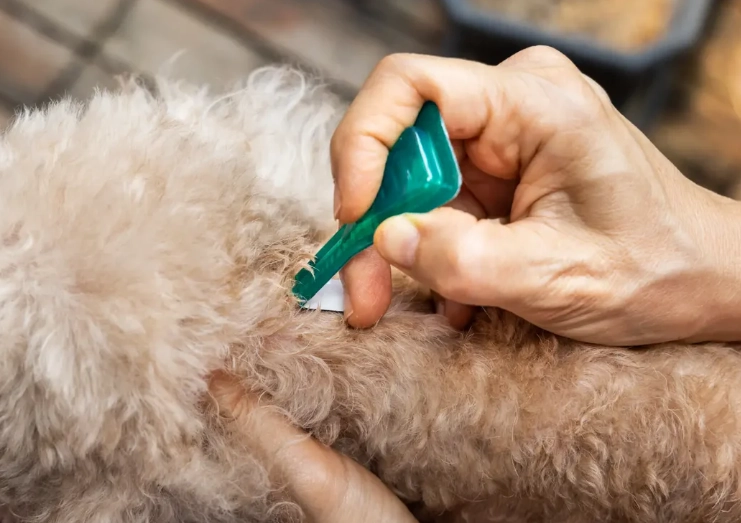
Single-Use Prescription Drops (e.g., products containing selamectin, moxidectin, fluralaner)
Applied directly into the ear canal or on the skin (systemic). Kills mites with one dose.
Extremely effective, convenient, less stressful. Often treats other parasites (fleas, worms) too.
Requires a prescription. More expensive upfront, but often cheaper than a long course of older medicines.
Multi-Week Prescription Ear Drops (e.g., Tresaderm, Acarexx)
Applied daily or weekly for 2-4 weeks. Contains an insecticide to kill mites.
Can be effective if applied correctly for the full duration.
Stressful for dog and owner. Easy to miss doses. Often contains antibiotics/antifungals for mixed infections.
Over-the-Counter (OTC) Miticides
Various insecticides sold at pet stores.
Readily available, no prescription needed.
I rarely recommend these. They are often ineffective against modern mites, can be harsh, and if the eardrum is damaged, they can cause deafness or severe toxicity. They treat symptoms, not the root cause if a secondary infection exists.
Thorough Ear Cleaning
Using a vet-recommended ear cleaner to remove debris before medication.
Essential for any treatment to work. Removes mite food source and lets medication contact the skin.
Must be done gently. Never use Q-tips deep in the canal. Just flush, massage, let dog shake, wipe the outer flap.
Prevention: How to Stop Ear Parasites From Coming Back
Your Top Questions, Answered by a Vet