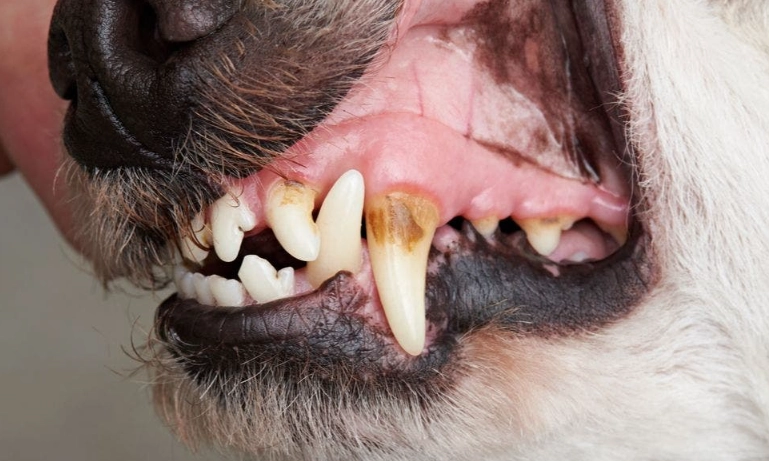
How Many Teeth Do Dogs Have? A Complete Guide to Canine Dentition
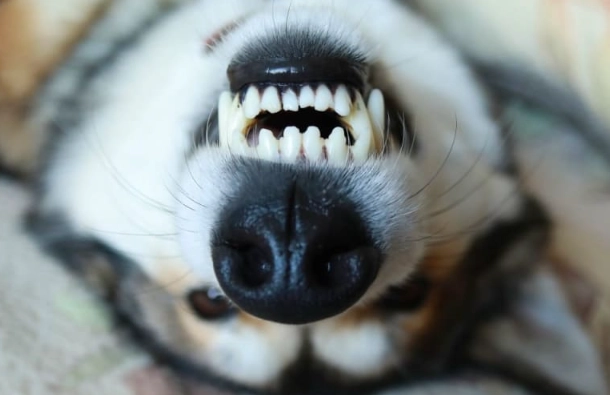
If you're here, you probably just peeked into your dog's mouth and thought, "Wait, how many teeth do dogs have?" Let me cut to the chase: adult dogs have 42 teeth, while puppies start with 28 baby teeth. But that number alone doesn't tell the whole story. As someone who's worked with dogs for over a decade, I've seen too many owners miss the subtle signs of dental trouble until it's too late. This guide dives deep into canine dentition, from the basics to the nitty-gritty care tips that most blogs gloss over. Puppies are born toothless, but those tiny teeth start popping up around 3 to 6 weeks old. By 8 weeks, most pups have a full set of 28 deciduous teeth—that's the fancy term for baby teeth. Here's the breakdown: 12 incisors, 4 canines, and 12 premolars. No molars yet; those come later with the adult set. I remember when my Labrador, Max, started teething. He chewed everything, from shoes to furniture legs. Many owners panic at this stage, but it's normal. The key is to provide safe chew toys. Avoid hard bones; they can damage those delicate puppy teeth. A common mistake I see is assuming puppy teeth don't need care. Wrong. Even baby teeth can develop plaque, setting the stage for future problems. Puppies begin losing teeth around 12 to 16 weeks old, and by 6 months, most have all their adult teeth. You might find tiny teeth on the floor—it's like a canine version of the tooth fairy. If you don't, don't worry; dogs often swallow them, which is harmless. But if adult teeth come in before baby teeth fall out, it can cause crowding. I've had clients bring in dogs with double teeth, requiring vet intervention. Keep an eye out. Adult dogs have 42 permanent teeth, which usually erupt by 7 months. This set includes more molars for grinding. Here's a quick table to visualize it: Notice the asymmetry? The lower jaw has two extra molars. That's not a typo; it's a quirk of canine anatomy that helps with chewing tough food. When I first learned this, it blew my mind—most people think dog teeth are symmetrical, but they're not. This detail matters because those extra molars are prone to tartar buildup if neglected. Dental health isn't just about fresh breath; it's linked to overall well-being. Studies from the American Veterinary Dental College show that over 80% of dogs show signs of dental disease by age 3. Left unchecked, it can lead to heart, kidney, or liver issues. I've seen dogs with perfectly good appetites suddenly lose weight because painful teeth made eating a chore. Here's a non-consensus point: many owners rely on dry kibble to clean teeth. It's a myth. While some dental diets help, they're no substitute for brushing. Think about it—you wouldn't eat crackers to clean your teeth, right? Dogs need active care. I once met a dog whose owner only fed "dental" treats, and the vet found severe gingivitis. It's a subtle error that's rarely mentioned. Let's get practical. Caring for your dog's teeth isn't rocket science, but consistency is key. Follow these steps, and you'll avoid common pitfalls. Step 1: Start Early – Begin brushing when your dog is a puppy. Use a finger brush or soft cloth with dog-specific toothpaste. Never use human toothpaste; it contains fluoride, which is toxic to dogs. Step 2: Choose the Right Tools – I prefer enzymatic toothpaste because it breaks down plaque without harsh brushing. For brushes, a angled head works best for reaching back teeth. If your dog hates brushing, try dental wipes as a starter. Step 3: Establish a Routine – Aim for daily brushing, but even 3-4 times a week makes a difference. I brush Max's teeth after his evening walk—it's become a bonding ritual. Short sessions, about 30 seconds per side, are better than long, stressful ones. Step 4: Supplement with Chews and Toys – Rubber toys with nubs can help massage gums. Look for chews approved by the Veterinary Oral Health Council (VOHC). But don't overdo it; too many chews can lead to obesity. Step 5: Regular Vet Check-ups – Schedule annual dental exams. Your vet might recommend professional cleanings under anesthesia, especially for breeds prone to dental issues like small dogs. Even with care, problems can arise. Here are the big ones to watch for: I recall a case where a dog's bad breath was dismissed as normal, but it turned out to be an abscessed tooth. The owner felt guilty for not acting sooner. Trust your nose—if your dog's breath smells foul, it's often a red flag. Wrapping up, knowing how many teeth dogs have is just the start. Those 42 teeth need lifelong care. From my experience, the biggest mistake is procrastination. Start today, even if it's just a quick gum check. Your dog's smile—and health—will thank you.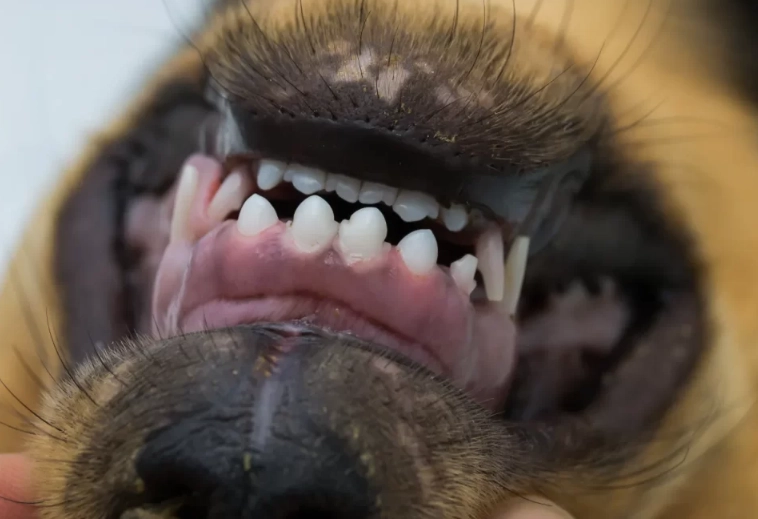
Jump Straight to What You Need
Puppy Teeth: The First Set
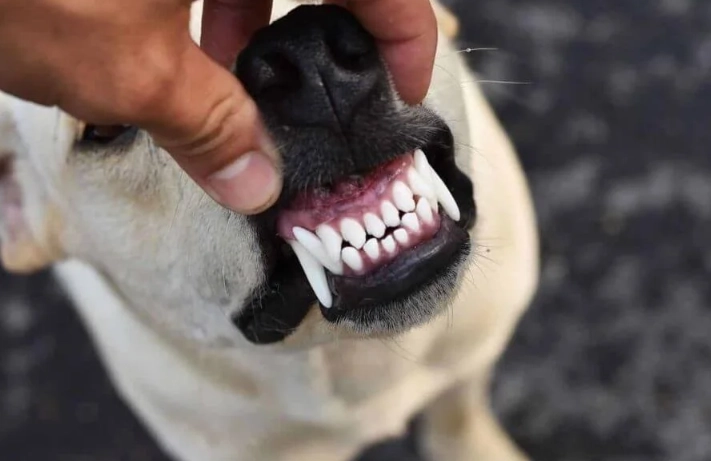
When Do Puppies Lose Their Teeth?
Adult Dog Teeth: The Permanent Set
Tooth Type
Number in Upper Jaw
Number in Lower Jaw
Total
Function
Incisors
6
6
12
Nipping and grooming
Canines
2
2
4
Tearing and holding
Premolars
8
8
16
Shearing and cutting
Molars
4
6
10
Grinding and crushing
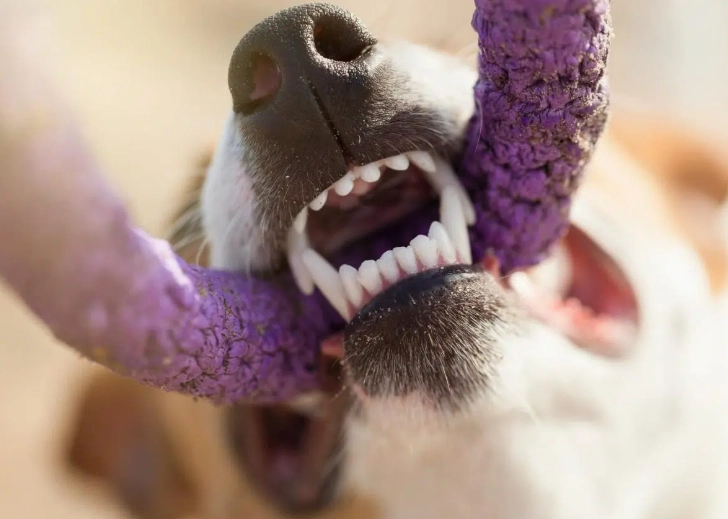
Why Dental Care Matters for Dogs
Step-by-Step Guide to Dog Dental Care
Common Dental Issues and How to Spot Them
Frequently Asked Questions