French Bulldog Care: Essential Health, Training, and Ownership Tips
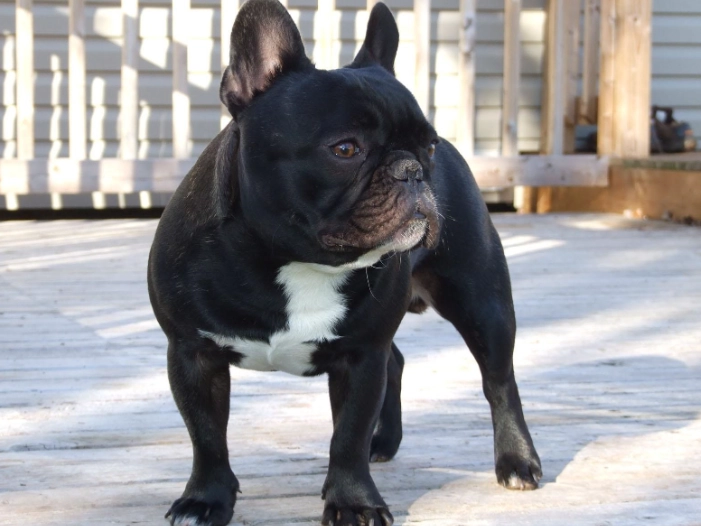
French Bulldogs are everywhere these days—on social media, in parks, even in celebrity photos. But behind those cute, bat-like ears and wrinkled faces lies a breed with specific needs that many owners overlook. I've been around Frenchies for over a decade, helping friends and family with their pets, and I've seen the same mistakes repeated. This guide isn't just another generic list; it's a deep dive into what it really takes to keep a French Bulldog healthy and happy. Let's cut to the chase: French Bulldogs aren't the low-maintenance dogs some people think they are. Their popularity has soared, but so have cases of health issues due to poor care. According to the American Kennel Club, French Bulldogs are now one of the most registered breeds, but their unique anatomy requires attentive ownership. In this guide, I'll share insights from veterinarians, breeders, and my own experiences to cover everything from health pitfalls to training hacks. French Bulldogs, or "Frenchies," are small, muscular dogs with a compact build. They typically weigh under 28 pounds and stand about 11 to 12 inches tall. Originating from England as miniature Bulldogs, they were bred for companionship, not work. That's key—they're couch potatoes at heart, but with a playful streak. Their personality is a mix of clownish charm and stubbornness. I remember my friend's Frenchie, Bruno, who would sit and stare at you until you gave him a treat, refusing to budge for minutes. They're affectionate, often forming strong bonds with one person, and they can be territorial. Unlike some breeds, they don't need hours of exercise; a couple of short walks and some indoor play suffice. But here's the non-consensus part: many people assume Frenchies are great for apartments because they're quiet. Actually, they snore—loudly. And they can be prone to separation anxiety if not trained early. Their flat faces (brachycephalic structure) mean they overheat easily, so climate matters. If you live in a hot area, you'll need to plan around that. French Bulldogs have distinct features: a short coat that comes in colors like brindle, fawn, or white; large, upright ears; and that signature wrinkled face. Their tails are naturally short or screwed. Grooming is minimal, but those skin folds need regular cleaning to prevent infections. It's a detail many owners forget until they smell something off. This is where things get serious. French Bulldogs are prone to several health issues, and ignoring them can lead to costly vet bills and a suffering pet. Based on veterinary reports and breeder surveys, the top concerns are breathing problems, spinal issues, and skin conditions. Brachycephalic obstructive airway syndrome (BOAS) is the big one. It's caused by their short snouts and can lead to breathing difficulties, especially in heat or during exercise. I've seen owners push their Frenchies to play fetch on a warm day, only to end up with a panting, distressed dog. Prevention starts with understanding limits: avoid strenuous activity, keep them cool, and watch for signs like noisy breathing or gagging. Another common issue is intervertebral disc disease (IVDD), which affects their spine. Frenchies have a compact body, and jumps or rough play can cause herniated discs. A study in the Journal of Veterinary Internal Medicine highlights this as a breed-specific risk. To mitigate it, use ramps for furniture and avoid activities that strain their back. Pro tip from a vet friend: Regular check-ups are non-negotiable. Many French Bulldog health problems are manageable if caught early. For example, cleaning skin folds weekly with a damp cloth can prevent dermatitis, a frequent issue due to moisture buildup. Caring for a Frenchie isn't rocket science, but it requires consistency. Let's break it down into a routine that works for most owners. Morning: Start with a short walk—10 to 15 minutes, preferably in cooler hours. Frenchies aren't marathon runners; overexertion can trigger breathing problems. After the walk, feed them a measured meal. I recommend splitting food into two meals a day to prevent bloat, though it's less common in this breed. Fresh water should always be available. Afternoon: This is nap time. Frenchies sleep a lot, up to 14 hours a day. Use this time to check their skin folds. Gently wipe with a vet-approved wipe to remove dirt. If you notice redness, it might be an infection starting. Evening: Another short walk or indoor play session. Toys like puzzle feeders can keep them mentally stimulated. Avoid high-impact games; instead, try gentle tug-of-war or hide-and-seek. Before bed, brush their teeth if possible. It sounds tedious, but it saves on dental bills later. Grooming is more than just bathing. Bathe your Frenchie once a month with a mild dog shampoo to avoid skin dryness. Their nails need trimming every few weeks; long nails can affect their gait. Ears should be checked weekly for wax buildup—use a cotton ball dampened with cleaner, but don't go deep into the ear canal. One thing most guides skip: Frenchies are prone to tear staining. Wipe their eye area daily with a soft cloth to prevent discoloration. It's a small task that makes a big difference in their appearance and comfort. Training a French Bulldog can be frustrating if you expect instant obedience. They're smart but stubborn, so patience is key. Start early—puppyhood is ideal for socialization and basic commands. How to teach basic commands: Use positive reinforcement. Frenchies respond well to treats and praise. For "sit," hold a treat above their nose and move it back; they'll naturally sit. Keep sessions short, 5-10 minutes, to maintain their interest. Consistency matters more than duration. Socialization is critical: Expose them to different people, dogs, and environments by 16 weeks old. I've seen Frenchies become fearful or aggressive due to lack of early socialization. Take them to quiet parks or pet-friendly stores, but avoid dog parks until they're fully vaccinated and confident. A common mistake: punishing them for accidents. Frenchies don't connect punishment with the act; instead, use crate training and regular potty breaks. Take them out after meals, naps, and playtime. If they have an accident indoors, clean it thoroughly to remove odors. Once basics are down, you can teach tricks like "roll over" or "stay." But focus on impulse control—teaching them to wait for food or not jump on guests. This reduces behavioral issues later. Enroll in a puppy class if possible; it provides structure and expert guidance. If you're buying a French Bulldog, do your homework. The breed's popularity has led to irresponsible breeding, resulting in puppies with health problems. Here's a step-by-step approach. Find a reputable breeder: Look for breeders who health-test their dogs for conditions like hip dysplasia, patellar luxation, and cardiac issues. Ask for proof—certificates from organizations like the Orthopedic Foundation for Animals (OFA). A good breeder will interview you, not just sell a puppy. Avoid pet stores or online ads with too-good-to-be-true prices; they often source from puppy mills. Visit in person: See the puppy's environment. Are the parents healthy and well-cared for? Puppies should be socialized, curious, and clean. Check for clear eyes, clean ears, and no signs of breathing distress. Initial setup at home: Before bringing your Frenchie home, prepare a safe space. You'll need a crate for training, soft bedding, food and water bowls, toys, and a harness (not a collar, to protect their neck). Set up a vet appointment within the first week for a check-up. Consider adoption too. Rescue organizations often have French Bulldogs needing homes. It can be a rewarding option, though some may have existing health issues that require extra care. French Bulldogs bring joy with their quirky personalities, but they demand informed care. By focusing on health prevention, consistent training, and responsible sourcing, you can enjoy a long, happy life with your Frenchie. Remember, every dog is an individual—observe yours closely and adapt as needed.What You'll Find in This Guide

What is a French Bulldog Really Like?

Breed Characteristics at a Glance
French Bulldog Health Concerns You Can't Ignore

Preventive Care Checklist
How to Care for Your French Bulldog Day by Day
Grooming and Hygiene Deep Dive
Training Your French Bulldog Without the Frustration

Advanced Training Tips
Choosing a French Bulldog: What Most Guides Miss


FAQ: Real Questions from Frenchie Owners