American Pitbull: Complete Care, Training, and Truth Guide
Jump to What Matters
I've owned dogs for over a decade, and my American Pitbull, Max, taught me more about canine behavior than any book ever could. Let's cut through the noise. If you're considering this breed, you need facts, not fear. This guide dives deep into what it really takes to live with a Pitbull—from training quirks to health hiccups.
What Exactly is an American Pitbull Terrier?
First off, "American Pitbull Terrier" often gets tossed around loosely. Technically, it's a specific breed recognized by some registries like the United Kennel Club (UKC), but not the American Kennel Club (AKC). That confusion alone causes headaches for owners. I learned this the hard way when trying to enter Max in local events.
History and Origins: Not What You Think
These dogs trace back to 19th-century England, bred from bulldogs and terriers for farm work and, unfortunately, blood sports. But here's a nuance most miss: their resilience and loyalty made them popular family dogs later. The American Pitbull Terrier Club of America notes they were once called "nanny dogs" for their gentleness with kids. That reputation shifted due to media hype in the 1980s.
Physical Characteristics: More Than Muscle
Pitbulls are medium-sized, weighing 30-60 pounds. They have short coats, broad heads, and that powerful build. But focus on temperament, not just looks. Max, for instance, is a couch potato who thinks he's a lapdog. A common mistake? Assuming their strength equals aggression. It doesn't.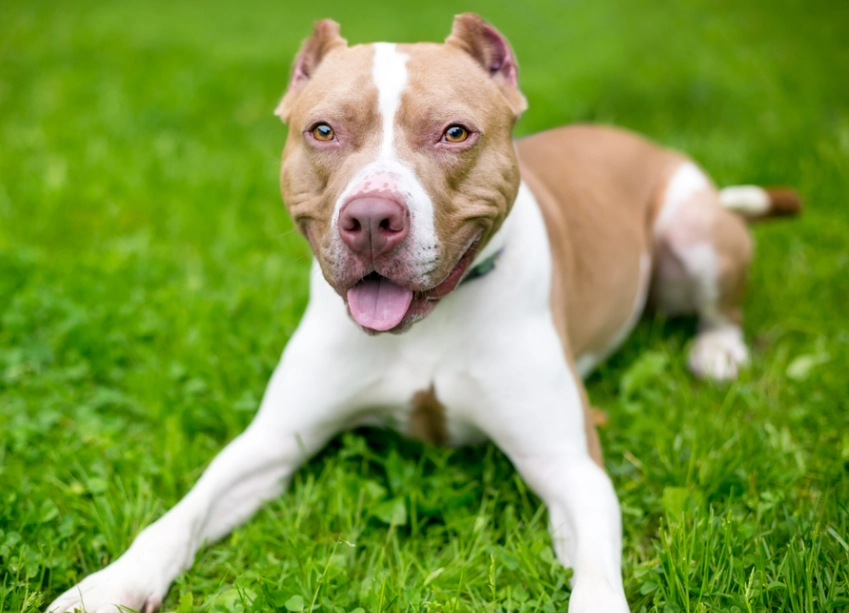
Key Takeaway: The breed's history is complex, but modern Pitbulls are versatile companions when raised right. Don't let stereotypes cloud your judgment.
How to Train Your Pitbull Effectively
Training a Pitbull isn't about dominance; it's about consistency. I've seen too many owners give up because they treat training like a chore. Pitbulls are smart, but they can be stubborn. Start early—puppyhood is golden.
Basic Obedience Training: Step-by-Step
Forget harsh methods. Positive reinforcement works best. Use treats and praise. Here's a simple routine I used with Max:
- Week 1-2: Focus on name recognition and sit command. Keep sessions short, 5 minutes max.
- Week 3-4: Introduce stay and come. Practice in a distraction-free zone first.
- Week 5 onward: Add leash walking. Pitbulls pull; a no-pull harness saved my shoulders.
One pitfall: skipping socialization. I made that error initially, and Max became wary of strangers. Fix it by exposing them to different people, sounds, and places gradually.
Socialization Tips That Actually Work
Socialization isn't just dog parks. It's about controlled experiences. Take your Pitbull to busy streets, invite friends over, and reward calm behavior. A study from the American Veterinary Society of Animal Behavior emphasizes early socialization reduces fear-based reactions.
| Training Stage | Key Focus | Common Mistake to Avoid |
|---|---|---|
| Puppy (8-16 weeks) | Positive exposure to new stimuli | Overwhelming with too much too soon |
| Adolescent (6-18 months) | Consistency in commands | Letting bad habits slide due to cuteness |
| Adult (1+ years) | Advanced obedience and mental stimulation | Neglecting exercise, leading to boredom |
Daily Care and Health Essentials
Caring for a Pitbull is straightforward if you know the specifics. Their short coat is low-maintenance, but they have unique needs.
Diet and Nutrition: What to Feed
Pitbulls are prone to allergies and obesity. I learned this after Max developed itchy skin from a cheap grain-filled kibble. Switch to high-protein, grain-free food if possible. Consult your vet—some brands like Blue Buffalo or Taste of the Wild work well. Portion control is critical; an adult Pitbull needs about 2-3 cups daily, split into two meals.
Exercise Needs: More Than a Walk
These dogs have energy to burn. A daily 30-minute walk isn't enough. Incorporate playtime: fetch, tug-of-war (with rules), or agility training. Max loves puzzle toys that challenge his mind. Without exercise, they get destructive—chewing furniture is a common complaint.
Health Concerns to Watch For
Pitbulls are generally healthy but susceptible to hip dysplasia, skin conditions, and heart issues. Regular vet check-ups are non-negotiable. I budget around $500 yearly for routine care. Spaying/neutering also reduces certain risks.
Here's a reality check: pet insurance is worth it. Unexpected vet bills can hit hard.
Debunking Common Pitbull Myths
Let's tackle the big ones. Myth: Pitbulls have locking jaws. False—no scientific evidence supports this. Their bite force is similar to other breeds. Myth: They're inherently aggressive. Nope. Temperament depends on upbringing, not breed. The American Temperament Test Society data shows Pitbulls pass at rates comparable to Golden Retrievers.
I've met aggressive Chihuahuas and gentle Pitbulls. Breed-specific legislation often ignores this nuance.
Is a Pitbull the Right Dog for Your Home?
Consider your lifestyle. Pitbulls thrive with active owners who have time for training. They're not ideal for apartment living unless you commit to daily exercise. Families with young kids? Yes, but supervise interactions—teach kids how to behave around dogs.
Adoption is a great route. Shelters are full of Pitbulls needing homes. I got Max from a rescue, and it was rewarding. Be prepared for breed restrictions in housing or insurance—a frustrating but real hurdle.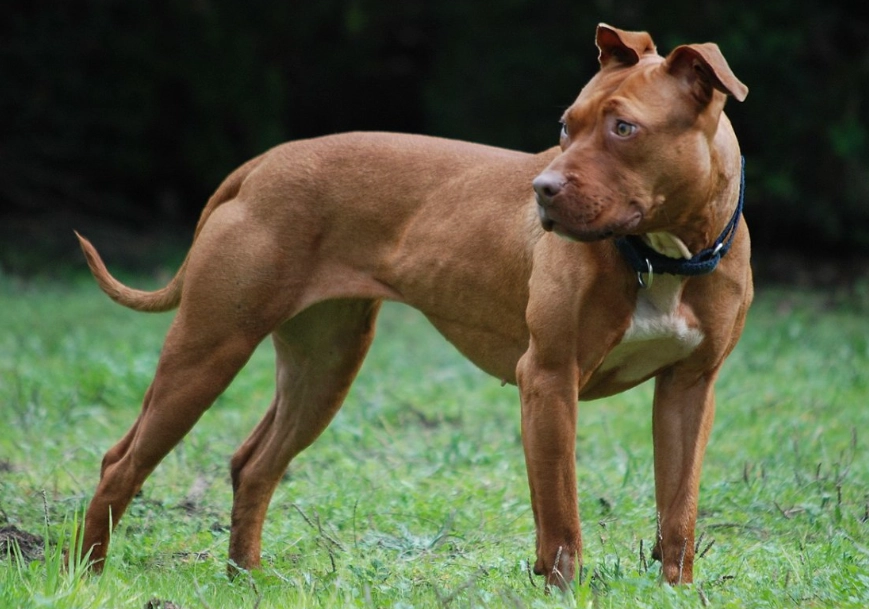
Your Pitbull Questions Answered
Wrapping up, owning an American Pitbull is a commitment, but it's incredibly rewarding. They're loyal, affectionate, and full of personality. Do your homework, be patient, and you'll have a fantastic companion. If you're still on the fence, volunteer at a shelter to spend time with them firsthand. You might just find your next best friend.
Related Articles