Can Dogs Eat Pineapple? Benefits, Risks & How to Serve Safely
You’re slicing a fresh pineapple, and those big, hopeful eyes are locked on you. That juicy, sweet tropical fruit smells amazing, even to us. So, can dogs have pineapple? The short answer is yes, but with critical caveats. Fresh, properly prepared pineapple can be a safe and even healthy occasional treat for most dogs. But get the preparation wrong, and you’re inviting a world of digestive upset or worse. I’ve seen too many owners make simple mistakes—like leaving the tough core in—that turn a fun snack into a vet visit. Let’s cut through the confusion and talk about exactly how to do this right. Pineapple isn’t just empty sugar water. When served correctly, it packs a punch of nutrients that can complement your dog’s diet. The star of the show is an enzyme called bromelain. This is the part most articles mention but rarely explain in a useful way. Bromelain is a proteolytic enzyme, meaning it helps break down protein. In theory, this could aid your dog’s digestion, especially if they tend to gulp their food. Some holistic vets suggest it might have mild anti-inflammatory properties. Is it a miracle cure? No. But it’s a nice bonus in a tasty package. Beyond bromelain, pineapple offers: Vitamin C & Manganese: Dogs produce their own vitamin C, but extra antioxidants from food can support immune health, especially in older or stressed dogs. Manganese is crucial for bone health and metabolism. High Water Content: On a hot day, a frozen cube of pineapple can be a hydrating, low-calorie treat that’s more exciting than plain ice. Dietary Fiber: The fiber in pineapple can help regulate digestion. A small amount might help with mild constipation, but too much will have the opposite effect—something I’ll explain in the risks section. Key Takeaway: The benefits are real but modest. Pineapple should be viewed as a supplemental treat, never a dietary staple. Its primary value is as a safe, enjoyable way to add variety and hydration. This is where most guides stop being helpful. They say “too much sugar is bad” and move on. Let’s get specific about what “too much” means and the less obvious hazards. Pineapple is high in natural sugars. For a healthy dog, a few small pieces are fine. But if your dog is diabetic, overweight, or has a sensitive stomach, that sugar spike and the fruit’s acidity can cause problems: pancreatitis flare-ups, weight gain, or diarrhea. I tell my clients to think of pineapple like a cookie—a sometimes food. This is the mistake I see constantly. The tough, fibrous core of the pineapple and the spiky, abrasive skin are not just indigestible. They are dangerous. A dog that swallows a chunk of core can choke. Worse, that fibrous mass can sit in the intestines, causing a blockage that requires emergency surgery. The skin is just as bad—it’s like eating stiff, prickly cardboard. Never, ever give your dog the peel or the core. Veterinary Insight: Canned pineapple is often packed in heavy syrup, which is just liquid sugar. The “juice” is even worse. Always choose fresh pineapple over canned. If you must use canned, ensure it’s packed in water with no added sugar, and rinse it thoroughly. Let’s make this foolproof. Follow these steps exactly to turn a risky fruit into a safe treat. Step 1: Choose a Ripe, Fresh Pineapple. Smell the base—it should smell sweet and fragrant. Avoid cans and pre-cut packages with added preservatives. Step 2: Wash and Peel Thoroughly. Rinse the whole pineapple under water to remove any surface residues. Use a sharp knife to completely remove the outer skin (the “eyes” and all). Cut deep enough so no spiky brown spots remain. Step 3: Remove the Core Completely. Once you have the peeled fruit, you’ll see the pale, dense core running through the center. Cut it out and discard it. There should be no tough, white fibrous parts in the pieces you keep. Step 4: Cut into Appropriate, Bite-Sized Pieces. For small dogs, cut the soft yellow flesh into 1/2-inch cubes. For larger dogs, 1-inch chunks are fine. The goal is a piece they can chew easily, not one they might swallow whole. Step 5: Start with a Tiny Amount. Introduce one small piece. Wait 24 hours to see how their stomach reacts. No diarrhea or vomiting? You’re likely good to go. This isn’t a free-for-all. Treats, including fruits, should never make up more than 10% of your dog’s daily caloric intake. For pineapple, a good rule of thumb: I personally freeze individual portions on a tray. A frozen pineapple cube is a fantastic summer teething soother for puppies or a cooling snack. Let’s be crystal clear. Not all parts of the pineapple plant are created equal. This table breaks it down based on toxicity data from sources like the ASPCA Animal Poison Control Center. The bottom line is simple. Yes, dogs can have pineapple—the fresh, soft, yellow flesh, carefully prepared. It can be a fun, hydrating, vitamin-packed snack. But respect the rules: no skin, no core, no syrup, and keep it to a small, occasional treat. When in doubt, start with a piece smaller than you think you should. Your dog will love the novel taste, and you’ll have peace of mind knowing you’re doing it safely.In This Guide: What You'll Learn
The Real Health Benefits of Pineapple for Dogs


Understanding the Risks and Dangers
The Sugar and Acid Problem
The Choking and Intestinal Blockage Hazard (The Big One)
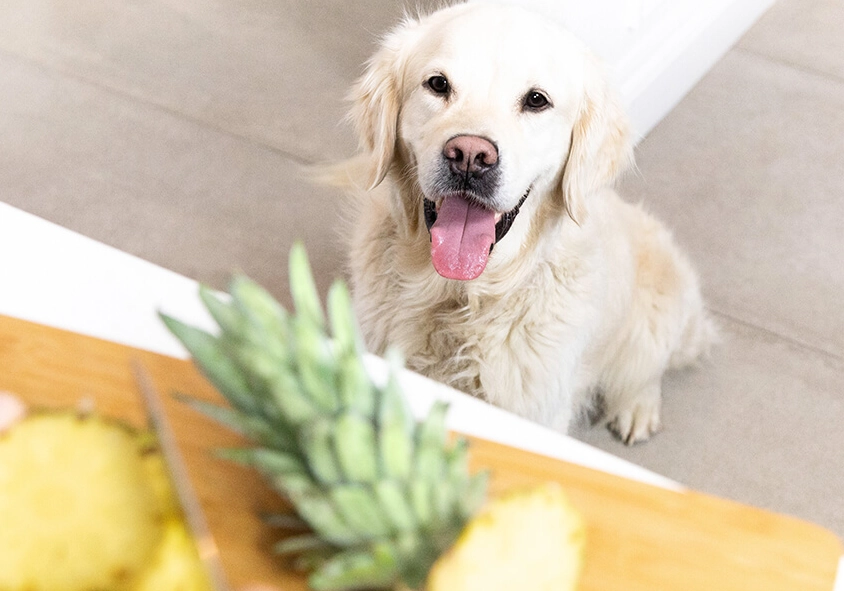
Step-by-Step: How to Safely Prepare and Serve Pineapple

How Much Pineapple Can My Dog Have?
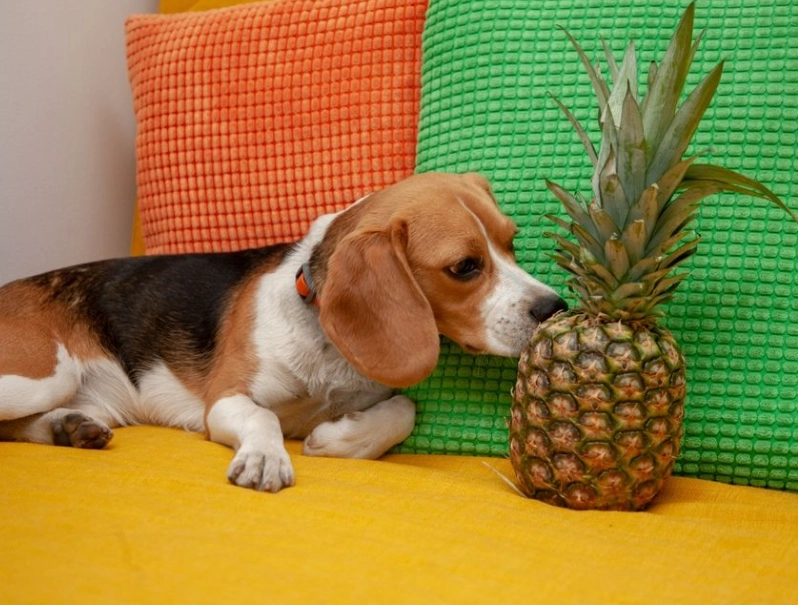
Pineapple Parts: What's Safe and What's Toxic

Pineapple Part
Safe for Dogs?
Key Reason & Risk Level
Fresh, Peeled Flesh (No Core)
YES, in moderation
Safe when prepared correctly. Contains beneficial nutrients. Risk: High sugar content if overfed.
The Tough Inner Core
NO
Extremely fibrous and indigestible. High risk of intestinal blockage or choking. Discard completely.
The Outer Skin (Rind/Peel)
NO
Too tough, can cause choking, intestinal blockage, or mouth irritation from spiky “eyes”.
Canned Pineapple in Syrup
NOT RECOMMENDED
Extremely high in added sugar, leading to obesity, diabetes, and stomach upset. Avoid.
Pineapple Leaves & Plant
NO
Not food. Can be physically irritating and may contain higher concentrations of compounds that upset the stomach.
Dried Pineapple
RARELY, with caution
Often has added sugar and sulfites. It’s a concentrated sugar hit and a choking hazard. Best avoided.
Your Questions, Answered by a Canine Nutritionist