Why Do Dogs Lick You? 7 Surprising Reasons & When to Worry
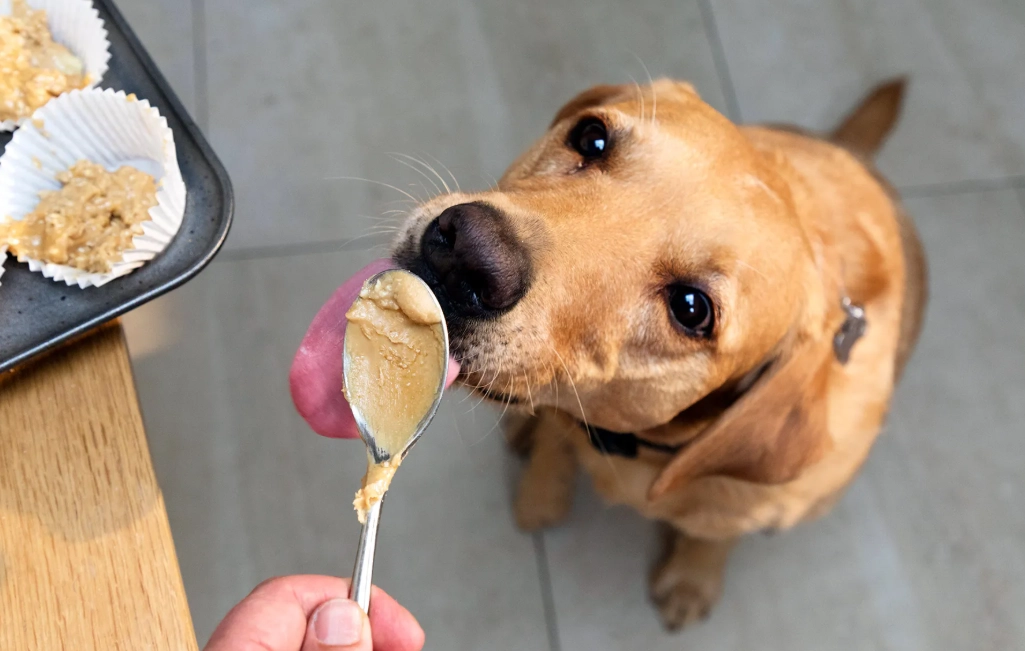
You're settled on the couch, and there it is—the warm, wet, slightly slimy sensation of your dog's tongue on your hand, your face, your elbow. Again. My own dog, a Labrador mix named Bear, has turned licking into an Olympic sport. For years, I just chalked it up to doggy love. But after fostering dozens of dogs and talking to behaviorists, I realized we often get it wrong. Licking isn't a single behavior with one simple meaning. It's a complex form of canine communication, a survival instinct, and sometimes, a flashing warning light.
Let's cut straight to the point: your dog licks you for a mix of instinctual, social, and sensory reasons. Sometimes it's wonderful. Sometimes it's annoying. And in a few cases, it's a sign something is off. Understanding the why is the first step to knowing how to respond—whether to embrace the slobber or gently put a stop to it.
What's Inside?
The 7 Core Reasons Dogs Lick Humans
It's rarely just one thing. Think of licking as a multi-purpose tool in your dog's kit. Here’s what they might be trying to say or do.
1. Communication & Bonding (The "I Love You" Lick)
This is the one we all hope for. When puppies are born, their mother licks them to clean and stimulate them. This creates a powerful, positive association. Licking a trusted human is an extension of that—a sign of affection and social bonding. It releases endorphins in both the dog and, theoretically, in you (though the science on the human side is less concrete). It's their way of saying, "You're part of my pack."
2. Exploration & Gathering Information
A dog's world is smelled and tasted. Their sense of taste and smell are intertwined in ways we can't fully comprehend. Your skin is a diary of your day. That lick tells them what you ate, who you met, where you've been. It's less about affection and more about a canine version of reading the news. Coming home from the gym? They're tasting your sweat. Been petting another dog? They know.
3. Submission & De-escalation
This is a big one that owners often misinterpret. In dog language, licking the muzzle of a more dominant dog is a sign of deference and appeasement. When your dog licks your face or hands persistently, especially if combined with lowered body posture, averted eyes, or pinned-back ears, they might be saying, "I acknowledge you're in charge, please don't be mad at me." It's not always fear, but it's a clear signal of respect within their social framework.
4. Seeking Attention (The Learned Behavior)
Here's where we humans train our dogs without realizing it. Dog licks your hand. You look down, smile, and say, "Aww." Or you push them away, which is still attention. The dog learns: Licking = human interacts with me. This can quickly become a default behavior for getting pets, play, or even just eye contact. It's a perfectly normal, if sometimes inconvenient, learned communication.
5. Taste (The Salty Snack Theory)
Let's be honest. Your skin is salty, especially after a workout. You might have residual food grease, lotion, or other interesting flavors on you. For some dogs, it's a simple, rewarding snack. It's not deep communication; it's just tasty. This is a primary driver for dogs who obsessively lick feet (sweat and salt) or hands after cooking.
6. Soothing Themselves (Canine Self-Care)
Licking releases endorphins, which are natural feel-good chemicals. Dogs may lick you (or themselves, or the furniture) as a self-soothing mechanism when they feel anxious, stressed, or bored. It's akin to a human biting their nails or twirling their hair. If the licking seems rhythmic, focused, and happens in predictable stressful situations (like during a thunderstorm or when left alone), anxiety could be a component.
7. Medical or Compulsive Issues (The Warning Sign)
This is the reason you can't ignore. Excessive, obsessive licking—of you, themselves, or objects—can be a symptom of an underlying problem.
Watch out for these triggers: Allergies (environmental or food-related) causing itchy skin they can't reach. Gastrointestinal discomfort like nausea (dogs often lick surfaces or air when nauseous). Pain, such as orthopedic pain in a joint near where they're licking you. Or, it could be a compulsive disorder like canine obsessive-compulsive disorder (OCD), which requires professional intervention.
What Your Dog's Licking Target Tells You
Where your dog licks can offer extra clues. It's not an exact science, but patterns emerge.
| Licking Target | Likely Primary Reason(s) | What to Consider |
|---|---|---|
| Your Face & Mouth | Affection/Bonding, Submission, Exploration (what did you eat?) | Rooted in puppyhood (pups lick mother's mouth to solicit food). Can be a strong social gesture. Ensure it's welcome, especially with children. |
| Your Hands & Arms | Attention-Seeking, Taste (salt, lotion), Greeting Ritual | Often the easiest target. A very common learned behavior for "pet me." |
| Your Feet & Legs | Taste (salt/sweat), Attention, Possible Mineral Deficiency* | *The mineral deficiency idea is a persistent myth. It's almost always the salt. Check with your vet if you're concerned, but it's rarely the cause. |
| A Specific Area (e.g., your elbow) | Exploration of a unique scent/taste, Possible pain transfer | Could they be smelling a new soap, cream, or someone else's pet? In rare cases, dogs may focus on areas where they sense inflammation or injury in their human. |
| The Air or Surfaces Near You | Anxiety, Nausea, Compulsive Behavior | This is less about licking you and more about displacement behavior. A vet visit is a good idea to rule out GI issues. |
When Licking Becomes a Problem: The Red Flags
Not all licking is created equal. How do you know when it's gone from quirky to concerning?
The licking is obsessive and interrupts normal life. Your dog ignores play, food, or your calls to continue licking. They seem to be in a trance.
It's accompanied by other symptoms. Look for hair loss, red skin, hot spots (from licking themselves), vomiting, diarrhea, loss of appetite, or signs of pain (limping, whining).
It causes skin irritation for YOU or them. Human skin can become red and irritated from constant moisture and bacteria. Similarly, a dog creating a "lick granuloma" on their own limb needs help.
It's a new behavior in an older dog. Sudden onset of excessive licking in an adult dog warrants a vet check to rule out new medical issues like cognitive decline or pain.
If you see these signs, your first stop should be the veterinarian, not a trainer. The American Veterinary Medical Association (AVMA) stresses the importance of ruling out medical causes before addressing behavioral ones. A study published in the Journal of Veterinary Behavior has noted the strong link between compulsive licking and underlying anxiety or medical conditions.
How to Manage (or Enjoy) Your Dog's Licking
You have options, depending on why your dog is licking and your tolerance level.
If You Want to Discourage It:
Withdraw attention calmly. This is key for attention-seeking lickers. The moment the licking starts, calmly stand up and walk away without a word. No eye contact, no "no." You remove the reward (your attention). Consistency is everything.
Redirect to an alternative behavior. Ask for a behavior incompatible with licking, like "sit" or "go to your bed." Then reward that behavior with a treat or petting. You're teaching a new, polite way to ask for interaction.
Manage the environment. For foot lickers, put on socks or slippers. For face lickers, turn your head or offer a chew toy instead when they approach.
If The Licking is Stress-Related:
Address the root cause of anxiety. More exercise, mental stimulation (puzzle toys, training), and creating a safe space (a crate or quiet room) can work wonders. For severe anxiety, consult a vet or a certified veterinary behaviorist. They may discuss options like behavioral modification plans or, in some cases, medication.
A Common Mistake: People think letting a dog "lick wounds" is helpful. While dog saliva has some mild antibacterial properties, the risks outweigh the benefits. Their mouths are full of bacteria that can cause serious infections in open wounds. Always clean a wound with proper antiseptic and cover it. This goes for your wounds and theirs.
If You Don't Mind It:
Enjoy the bonding! Just be mindful of hygiene—avoid letting them lick open wounds, your mouth, or eyes. And set boundaries if it becomes too much, even for you. It's okay to say "enough" and redirect them.
Your Dog Licking Questions, Answered
So, the next time your dog plants a wet one on you, take a second to read the situation. Are they happy, curious, anxious, or just snacking on your salty skin? That understanding is what turns a quirky habit into a meaningful conversation with your best friend.
Bear still gives me his morning face licks. Now I know it's partly love, partly a request for breakfast, and 100% a report on where I slept. I'll take it.
Related Articles