Bloodhound Dog Breed Guide: Care, Training & Traits
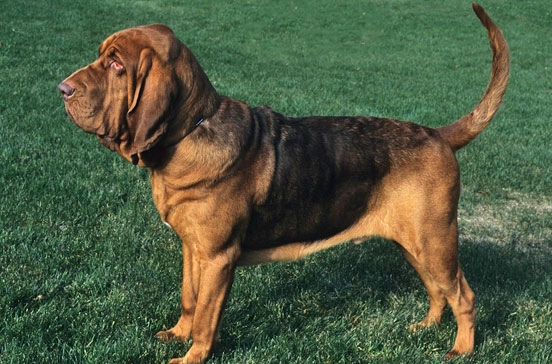
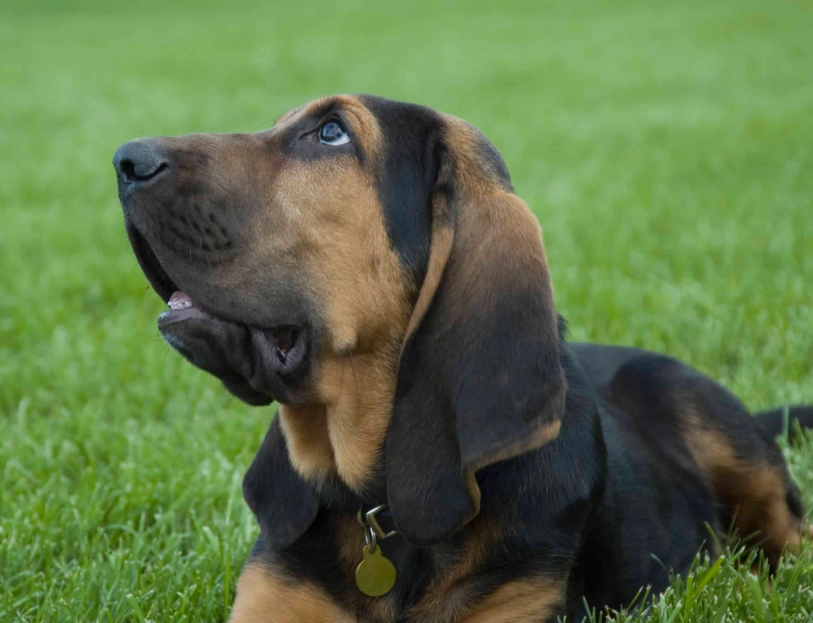
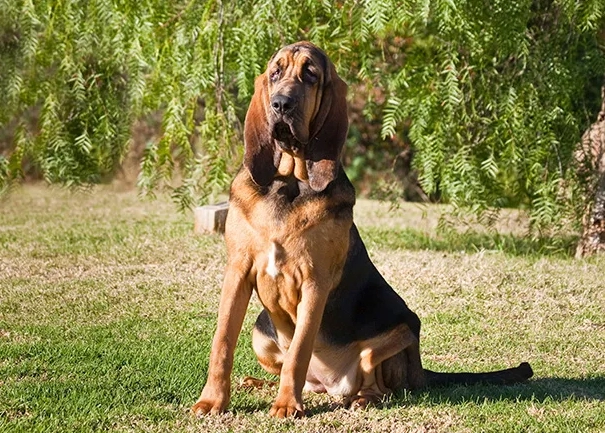
Let's cut to the chase. The Bloodhound isn't just another dog. It's a living, breathing piece of history with a nose so powerful it's admitted as evidence in court. If you're picturing a droopy, slow-moving detective dog, you're only half right. Living with one is a unique adventure that's equal parts awe-inspiring and, frankly, a bit messy. This guide isn't a fluffy breed overview. It's a deep dive from someone who's seen the good, the bad, and the incredibly slobbery. We'll cover what it really takes to care for a Bloodhound, how to work with their stubborn-but-brilliant mind, and whether your lifestyle can handle 120 pounds of affectionate, scent-obsessed hound. Forget cartoons. The modern Bloodhound, as recognized by the American Kennel Club, is a large scent hound bred for one purpose: unwavering pursuit of a scent trail over incredible distances. Their origin traces back to medieval Europe, and that ancient purpose is etched into every part of them. Their most famous feature? That nose. The long ears help funnel scent particles, the loose skin around the face traps odors, and their olfactory capability is estimated to be millions of times more sensitive than a human's. But here's a nuance most sites miss: that single-minded focus is a double-edged sword. It makes them brilliant trackers but notoriously distractible and independent during training. Owning a Bloodhound isn't hard, but it's specific. Get these things wrong, and you'll both be miserable. The wrinkles and ears are infection magnets if neglected. A quick wipe-down isn't enough. You need to get into every fold with a soft, damp cloth and dry it completely. Ears must be cleaned weekly with a vet-approved solution. Their short coat sheds moderately, but regular brushing helps. The drool. Let's talk about it. You'll need "slobber rags" strategically placed around the house—near the water bowl, by the doors. It's not just after drinking; excitement, food, heat... it all triggers the flow. It stains walls and clothing. If you're a neat freak, this breed will break you. They need at least an hour of walking or sniffari time daily. But here's the expert tip: on-leash exercise in a secure area is paramount. Their recall is famously poor because a distant scent will always trump your voice. A fenced yard is not optional; it's essential. Mental stimulation is best achieved through scent work games. Hiding treats or using a snuffle mat taps into their natural instincts. Feed a high-quality, large-breed formula to support joint health. Because they are prone to bloat (GDV), a deadly condition, feed two or three smaller meals a day instead of one large one, and avoid vigorous exercise right before and after eating. Training a Bloodhound requires a paradigm shift. You're not training a border collie eager to please. You're negotiating with a nose on legs. Patience is your primary tool. They are intelligent but independent. Positive reinforcement with high-value treats (think cheese, liver) is the only method that works. Harsh corrections will make them shut down. The biggest mistake I see? Owners trying to train in a park or anywhere with competing scents. Start in a dead-boring room like a bathroom or hallway. Even then, keep sessions short—5 to 10 minutes max. Their attention span for arbitrary commands like "sit" is limited, but their focus on a scent trail can last for hours. Channel that. Prioritize these commands: Leash manners (a pulling Bloodhound is dangerous), a solid "leave it" (for when they find something gross), and crate training for safety and housebreaking. A reliable recall in an unfenced area is often an unrealistic goal, so manage their environment instead. Being a giant, deep-chested breed comes with a known set of challenges. Responsible breeders test for these, and you should ask for proof. Pet insurance for a Bloodhound isn't a luxury; it's a financial planning tool. One bloat surgery or hip replacement can cost thousands. Let's run through a quick scenario. You work from home in a house with a tall, secure 6-foot fence. Your family is active but doesn't need a jogging partner. You value a gentle, goofy companion over a precise obedience champion. You don't mind drool on your jeans and have a stable income for potential vet bills. If you nodded along, you might be a candidate. If you live in an apartment, travel frequently, desire off-leash hiking adventures, or are on a tight budget, the honest answer is probably no. There are other wonderful hounds better suited to those lives. Bringing a Bloodhound into your life means embracing a certain beautiful chaos. You're choosing a loyal, affectionate friend with a prehistoric skill set and some very modern messes. If you go in with eyes wide open, prepared for the drool, the stubbornness, and the vet bills, you'll be rewarded with a companion like no other—a gentle giant with the world's best nose, who will teach you to see the world through scent.What's Inside?
What Exactly Is a Bloodhound?
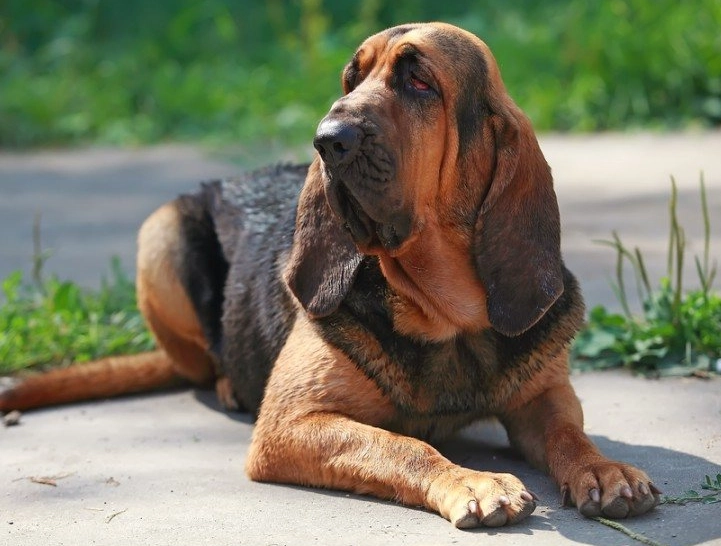
Key Bloodhound Data at a Glance
Trait
Details
Height
25-27 inches (males), 23-25 inches (females)
Weight
90-130 pounds (males), 80-110 pounds (females)
Lifespan
7-10 years (shorter than many breeds, a crucial consideration)
Energy Level
Moderate. They need daily exercise but are couch potatoes indoors.
Key Personality
Gentle, affectionate with family, stubborn, independent, scent-driven.
The Non-Negotiable Bloodhound Care Checklist
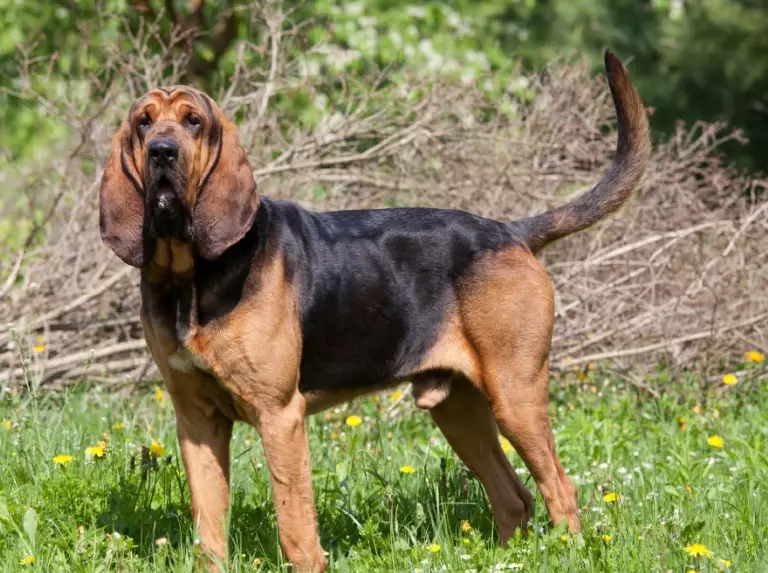
Grooming: It's More Than Baths
Exercise & Mental Stimulation
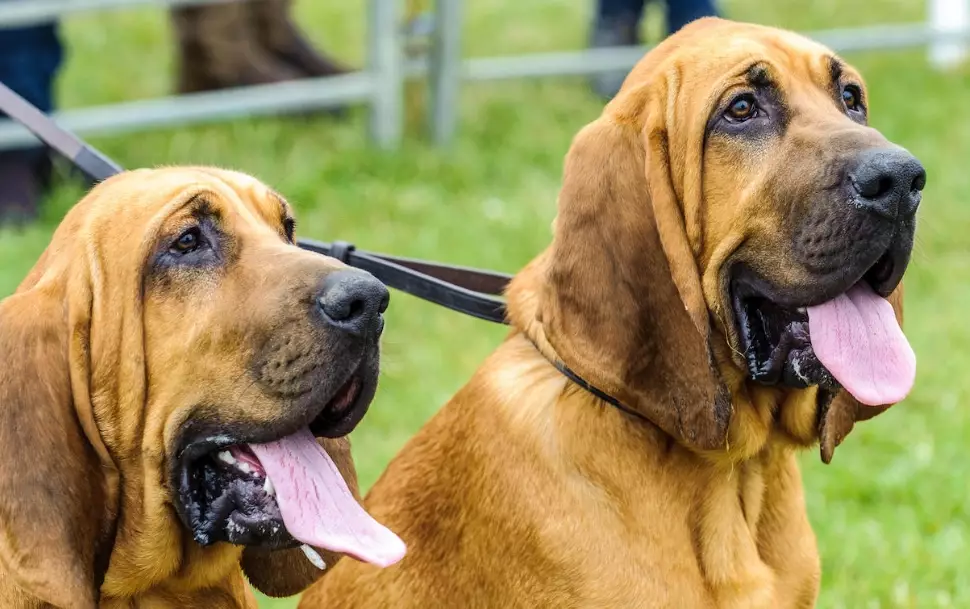
Diet & Nutrition for a Giant Breed
How to Train a Bloodhound (It's Not Like Other Dogs)
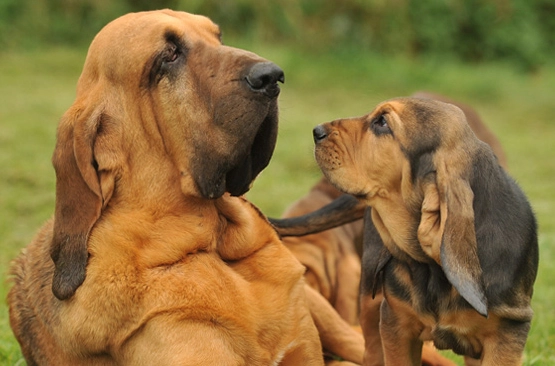
Bloodhound Health: What to Watch For
Is a Bloodhound Right for You? A Reality Check
Your Bloodhound Questions, Answered