How Long Are Dogs in Heat? A Complete Timeline & Care Guide
If you're searching for "how long are dogs in heat," you probably just noticed some blood spots on the floor and your dog acting a bit off. The short, textbook answer is about 2 to 4 weeks. But in my years of working with dogs and talking to vets, that simple number causes more confusion than clarity. It's like saying a trip takes "a few hours"—doesn't help you pack or plan. The real answer is a process, not a single number. Your dog goes through distinct phases, each with its own timeline, physical signs, and behavioral quirks. Missing the nuances can lead to unwanted pregnancies or unnecessary worry.
Let's get straight to the point. The entire canine heat cycle (estrous cycle) lasts about 6 months on average, but the actual "in heat" period where she's receptive to mating is just one part of it. This is where owners need to be vigilant. I've seen too many people think it's over after the bleeding stops, only to be surprised later. This guide will walk you through the week-by-week timeline, what to watch for, and the practical steps to manage it—based on veterinary science and hard-earned experience.
What’s Inside This Guide
The 4 Stages of a Dog's Heat Cycle
To understand how long a dog is in heat, you need to understand the whole cycle. It's not one continuous state. The American Kennel Club (AKC) outlines four stages: Proestrus, Estrus, Diestrus, and Anestrus. The "in heat" period people talk about usually refers to the first two combined.
| Stage | Average Duration | Key Signs & What's Happening | Is She Fertile? |
|---|---|---|---|
| Proestrus | 7-10 days | Swollen vulva, bloody discharge, attracts males but will not mate. Hormones are ramping up. | No |
| Estrus | 5-9 days | Discharge lightens (straw-colored), flagging tail (moves tail aside), receptive to males. This is the ovulation and fertile period. | YES |
| Diestrus | ~60 days | Heat signs subside. Whether pregnant or not, the body acts as if it is for this period. | No |
| Anestrus | ~4-5 months | Hormonal rest period. No sexual activity or signs. | No |
The biggest mistake I see? Owners assume the heat is over when the bleeding stops. That's often when Estrus—the actual fertile, "ready to mate" phase—is just beginning. It's a critical switch.
A Week-by-Week Timeline: What to Expect
Let's make this practical. Here’s what a typical 3-week heat cycle looks like on the ground. Remember, your dog is an individual. A friend's Labrador followed this pattern almost to the day, while my neighbor's Border Collie had a much shorter Estrus.
Week 1: The Onset (Proestrus)
You'll first notice swelling of the vulva. Then, the bloody discharge starts. It might be just a few drops or more noticeable. She might seem more affectionate or a bit clingy, or conversely, a bit irritable. She'll attract male dogs from a distance with pheromones, but if one approaches, she'll likely snap or move away. Start your management protocol now—don't wait.
Daily routine changes: Walks become strategic missions. Avoid dog parks completely. Use puppy pads or old towels in her favorite resting spots. Consider doggy diapers, but change them frequently to prevent skin irritation.
Week 2: The Fertile Window (Transition to Estrus)
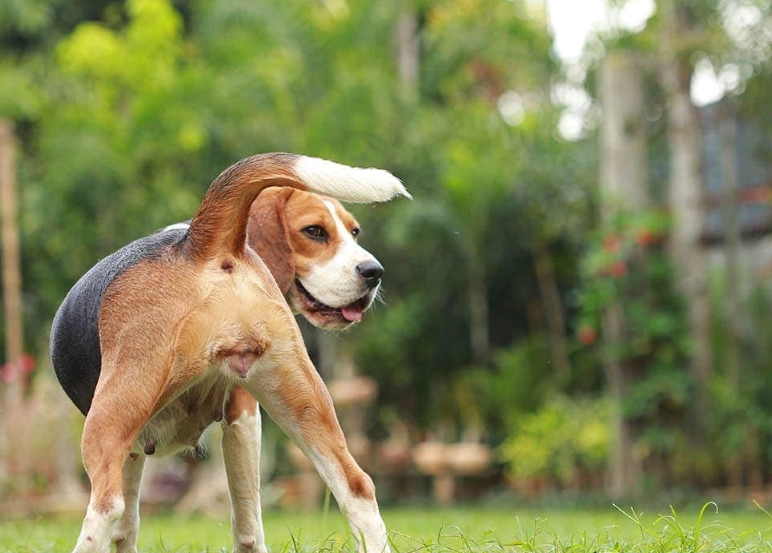
This is the most important week. Around days 7-10, the discharge often changes from bright red to a pinkish or straw-colored fluid. This is the signal. Her vulva will be soft, and her behavior will shift. She'll become actively receptive to males. The classic sign is "flagging": when you stroke her back near the tail, she'll hold her tail high and move it stiffly to the side.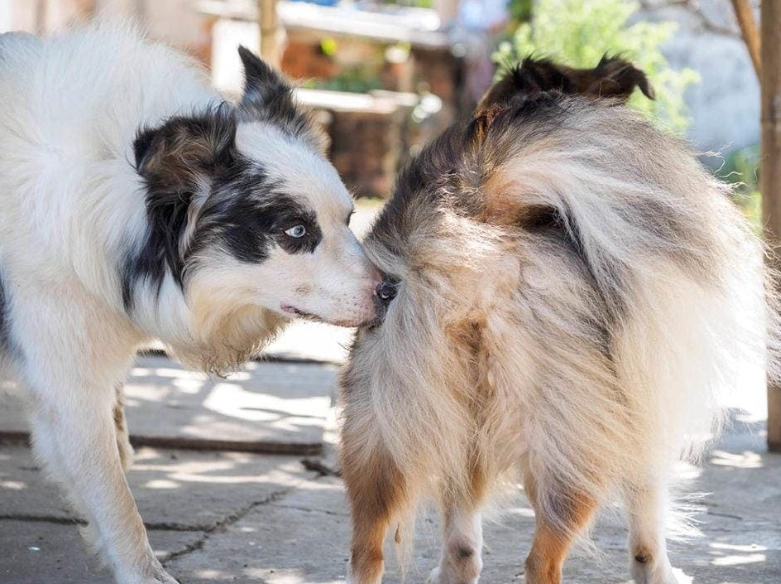
This is when she ovulates. This fertile phase can last from 5 to 9 days. You must be extra vigilant. Intact male dogs will become incredibly persistent. I've seen them scale fences they never attempted before.
Week 3 & Beyond: Winding Down (End of Estrus into Diestrus)
The discharge stops, and the swelling gradually reduces. She will no longer be receptive to males and will start rejecting their advances again. However, for some dogs, it can take a few more days for the scent to fully dissipate. Keep up precautions for at least another week to be safe. Her body now enters Diestrus, a two-month period where pregnancy hormones are present whether she's pregnant or not. Some dogs experience a "false pregnancy" during this time, nesting and even producing milk.
Practical Tips for Managing the Heat Period
Knowing the timeline is one thing. Managing it is another. Here’s the no-nonsense advice I give to every owner.
- Containment is Non-Negotiable: Secure your yard. Check for gaps in fences. Never leave her outside unsupervised, even for five minutes. On walks, use a secure harness and a short leash.
- The Diaper Debate: Reusable cloth diapers with a washable liner are more cost-effective and eco-friendly for a 3-week period. However, you must change them every 3-4 hours to prevent urinary tract infections (UTIs). For many, using them only indoors and relying on confined, easy-to-clean spaces is simpler.
- Mental Stimulation Over Physical: She can't go to the park or on long hikes. Combat boredom with nose work (hide treats), food puzzles, and short, trick-training sessions. A tired brain makes a calmer dog.
- Clean-Up Kit: Keep a kit handy: enzymatic cleaner for accidents (regular cleaner won't remove the scent that attracts males), hydrogen peroxide for blood on light fabrics, and a stack of old towels.
One specific, less-discussed tip: watch her water intake. Some dogs drink more during heat. Ensure fresh water is always available, as this helps her system flush through the hormonal changes.
When to Call the Vet
Most heats are straightforward. But call your vet if you notice: extreme lethargy, loss of appetite, discharge that smells foul (not just metallic), or if the heat seems to drag on beyond 4 weeks. Also, a first heat that occurs very early (before 6 months) or very late (after 15 months) is worth mentioning at your next check-up.
Your Top Questions on Dogs in Heat, Answered
Related Articles