Can Cats Eat Blueberries? A Vet's Guide to Safe Snacking
You're chopping blueberries for your morning oatmeal, and a pair of curious eyes is fixed on you from the floor. Your cat's nose twitches. The thought pops into your head: can cats have blueberries? The short, vet-approved answer is yes, in very specific and limited ways, blueberries are generally considered non-toxic to cats. But that "yes" comes with a stack of caveats taller than a scratching post. As a veterinarian with over a decade in practice, I've seen the good, the bad, and the messy when it comes to human food and cats. Let's cut through the internet noise and talk about what feeding blueberries to your cat really means—covering the potential upsides, the very real downsides, and the safe, practical way to do it (if you even should).
What's Inside This Guide
The Nutritional Picture: What's Actually in a Blueberry for Cats?
Cats are obligate carnivores. Their bodies are fine-tuned engines designed to run on meat—protein and fat. They lack the taste receptors for sweetness and have minimal biological need for carbohydrates or the vitamins found in fruits. So, when we talk about blueberries being "good" for cats, we're applying a human-centric lens that often doesn't fit.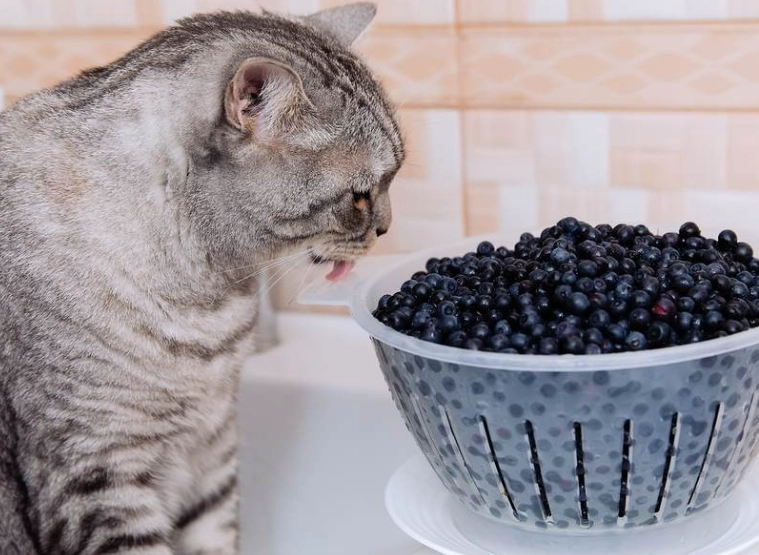
Blueberries contain antioxidants (like vitamin C and polyphenols), fiber, and some vitamins. In theory, antioxidants can support cellular health. The fiber might offer a minor assist for digestion. But here's the non-consensus part many pet blogs gloss over: a high-quality commercial cat food is already meticulously formulated to meet all your cat's nutritional needs. The antioxidants in a single blueberry are a drop in the ocean compared to what's in their balanced diet. The benefit is negligible at best.
I tell my clients this: think of a blueberry not as a health supplement, but as a potential low-calorie, low-fat treat or a novel sensory experience. The primary value is enrichment—the fun of chasing a rolling berry or the new texture—not nutrition.
Key Takeaway: Don't feed blueberries for health benefits you think your cat is missing. If their diet is complete and balanced, they aren't missing anything a blueberry provides. The goal is safe, occasional enrichment, not dietary improvement.
Potential Risks and Hidden Dangers You Might Miss
This is where most owners stop reading, but it's the most critical section. Assuming "non-toxic" means "risk-free" is a major mistake.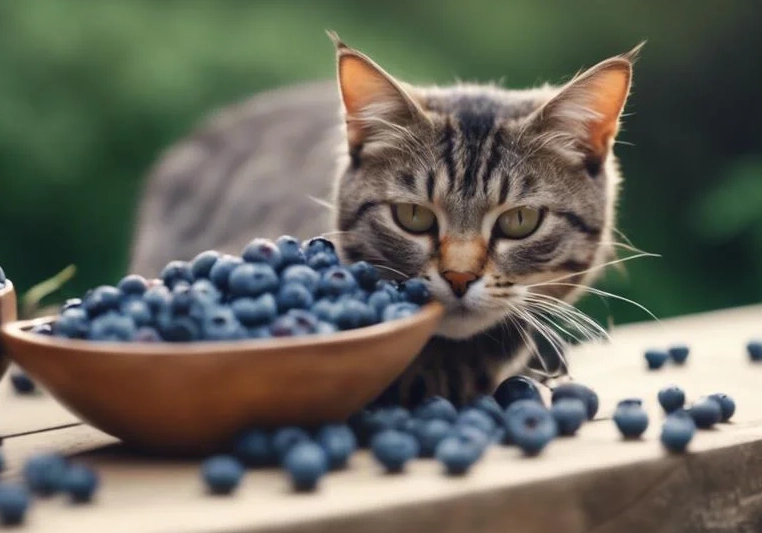
Choking and Gastrointestinal Blockage
A whole blueberry is a perfect size to get lodged in a cat's throat or further down the digestive tract, especially for smaller cats or eager gobblers. I once had to endoscopically remove a blueberry from a Persian cat's esophagus. It wasn't pretty. Always, always mash or cut them.
Upset Stomach: The Sugar and Fiber Problem
Cats' digestive systems aren't built for sugar or sudden influxes of fiber. Even the natural sugars in blueberries can cause:
- Gas and bloating
- Diarrhea
- An upset stomach, leading to vomiting or inappetence
This is the most common negative outcome I see—a day of unpleasant cleanup for you and discomfort for your cat.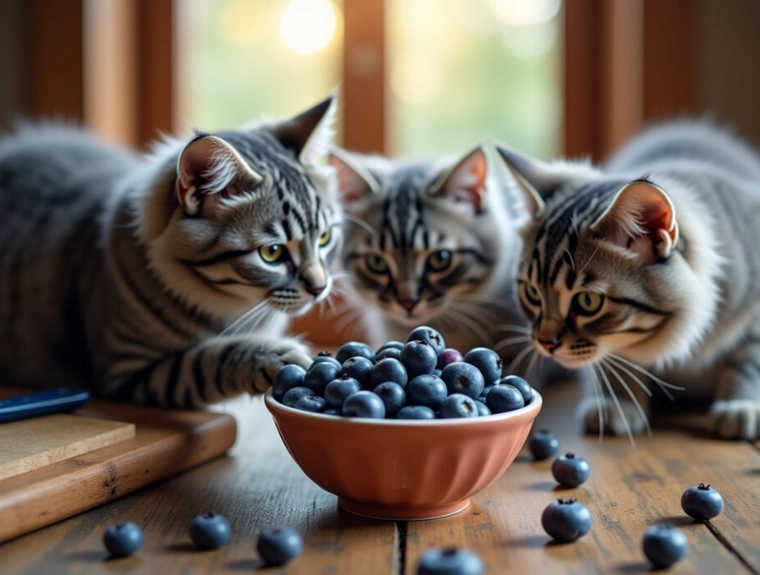
The Overlooked Hazard: Stems and Leaves
If you're picking wild blueberries or have a plant at home, beware. The stems and leaves of the blueberry plant can be irritating to a cat's gut. While not highly toxic like lilies, they can still cause vomiting and diarrhea if ingested. Always serve the berry flesh only.
Weight Gain and Dental Issues
Treats, of any kind, should never make up more than 10% of your cat's daily caloric intake. A few blueberries here and there add up. The sugars, while natural, can also contribute to dental plaque if sticky bits remain on teeth.
Red Flag Scenario: Your cat has diabetes, a sensitive stomach, or is prone to urinary crystals. In these cases, introducing any new food, especially one with sugar, without consulting your vet is a bad idea. It can disrupt their carefully managed condition.
How to Safely Feed Blueberries to Your Cat (The Step-by-Step Method)
If you've weighed the risks and still want to offer a blueberry as a rare treat, here's the only method I recommend. It's boring, but safety is boring.
Step 1: The Introduction Test. Offer a tiny piece—think one-eighth of a single blueberry. Observe for 24-48 hours. Watch for any changes in litter box habits, energy, or vomiting. If all is clear, you can proceed very cautiously.
Step 2: Preparation is Everything. Wash the blueberry thoroughly to remove pesticides. Then, mash it completely with a fork or cut it into tiny, pea-sized pieces. Never offer a whole berry.
Step 3: Serving and Frequency. Place the mashed piece in their bowl, separate from their regular food. Do not hand-feed, as this can encourage biting. Frequency? Once a week at most. Honestly, once a month is plenty. This isn't a dietary staple.
Let's be real—most cats will sniff it and walk away. That's a perfectly fine outcome. My own cat, Jasper, looked at a mashed blueberry like I had offended his ancestors. The chase was more interesting than the eat.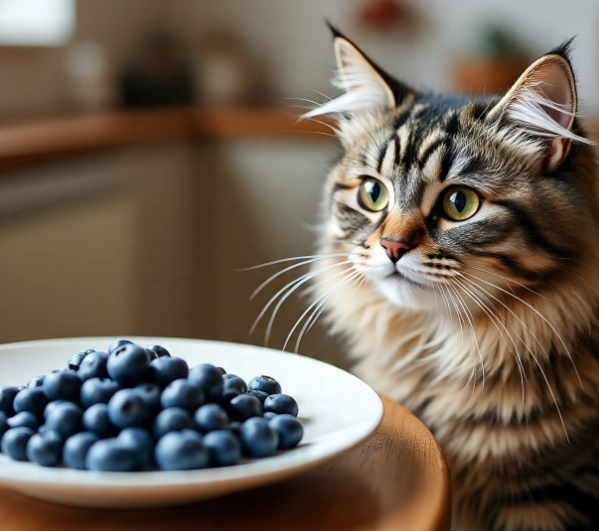
Safer Fruit Alternatives and What to Absolutely Avoid
If you're keen on giving fruity treats, some options carry even less risk than blueberries. But remember, the "safe" list is very short for carnivores.
| Fruit | Preparation Required | Key Notes & Vet Advice |
|---|---|---|
| Seedless Watermelon or Cantaloupe | Remove all rind and seeds. Offer a tiny cube of flesh. | High water content, very low calorie. Often more appealing due to texture. Still sugary. |
| Plain, Cooked Pumpkin Purée | Not pie filling! Plain, canned pumpkin. | Great for fiber. A 1/4 teaspoon can help with mild constipation. A more functional treat. |
| Mashed Banana | A tiny smear (less than 1/4 tsp). | High in sugar and carbs. Use ultra-sparingly. Many cats dislike the texture. |
Now, the critical list. These common fruits are dangerous or toxic to cats:
Grapes and Raisins: Cause acute kidney failure in dogs, and while the risk in cats is less documented, the potential severity means they must be avoided entirely. The toxic mechanism is still unknown. Not worth the gamble.
Cherries: The pits, stems, and leaves contain cyanide. The flesh isn't explicitly toxic, but the risk of pit ingestion or choking is too high.
Citrus Fruits (oranges, lemons, limes): The essential oils and psoralens in the skin, seeds, and leaves can cause vomiting, diarrhea, and even central nervous system depression.
When in doubt, the ASPCA Animal Poison Control Center website is an authoritative resource for checking plant and food toxicity.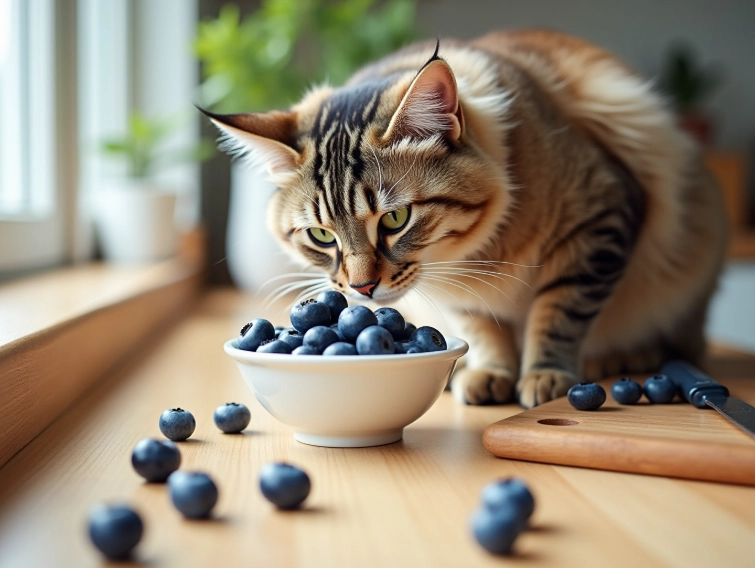
Your Questions Answered: A Vet's FAQ on Cats and Blueberries
My cat ate a blueberry muffin crumb I dropped. Should I panic?
Panic isn't helpful, but do be watchful. The bigger concern isn't the trace of blueberry, but the other muffin ingredients: sugar, wheat, possibly chocolate chips or raisins (which are toxic). A single tiny crumb is unlikely to cause issues in a healthy cat, but monitor for vomiting or diarrhea. If the muffin contained raisins or chocolate, or if your cat ate a significant amount, call your vet immediately.
Can I give my cat blueberry-flavored cat treats or yogurt?
Read the label carefully. "Blueberry-flavored" often means artificial flavors and colors with no real fruit. These additives offer no benefit and can cause sensitivities. As for yogurt, most adult cats are lactose intolerant. Dairy can lead to significant gastrointestinal upset. There's no need to combine these two potentially problematic items. Stick to single-ingredient treats or those specifically formulated for feline health.
Are frozen blueberries safer or better for cats?
Frozen blueberries pose a higher choking risk (they're hard and slippery) and can be a tooth hazard. They also might cause stomach cramps if eaten too cold. If you use frozen, thaw completely and mash them into a soft paste. There's no nutritional advantage over fresh.
My cat has kidney disease. Are blueberries okay for her?
This is a firm no without explicit vet approval. Cats with kidney disease need tightly controlled levels of phosphorus, potassium, and protein. Introducing any new food item, especially one with potassium like blueberries, can disrupt this delicate balance. Always consult your veterinarian managing the kidney disease before offering any treats outside the prescribed diet.
What's the one thing most cat owners get wrong about feeding human food?
The portion size. We think in human terms—a "bite" for us is a snack-sized meal for a cat. A single blueberry is a large treat relative to a cat's size and caloric needs. The other mistake is assuming if it's healthy for us, it's healthy for them. Their biology is fundamentally different. The safest, most loving approach is to provide a superb quality cat food and use interactive play, not human food, as your primary source of bonding and enrichment.
So, can cats have blueberries? Technically, yes. But the more experienced I become, the more I lean towards a simpler philosophy: they don't need them. The potential for a messy upset stomach, however small, often outweighs the negligible benefit. The best treat for your cat is your attention, a new toy, or a dedicated cuddle session. If you do choose to offer that tiny bit of mashed berry, do it infrequently, prepared safely, and with zero nutritional expectations. Your cat's obligate carnivore body will thank you for keeping its diet focused on what it truly needs.
Related Articles